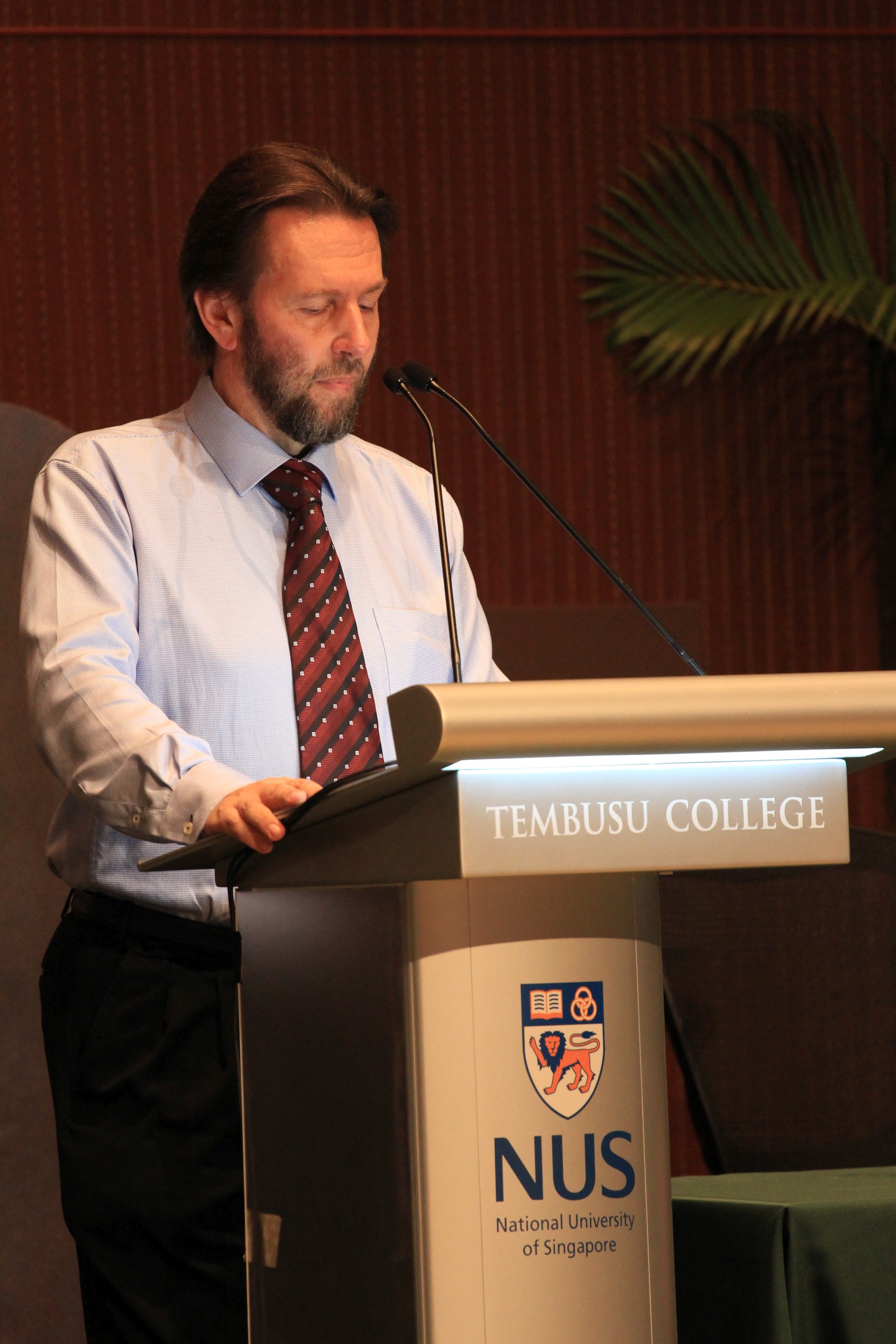
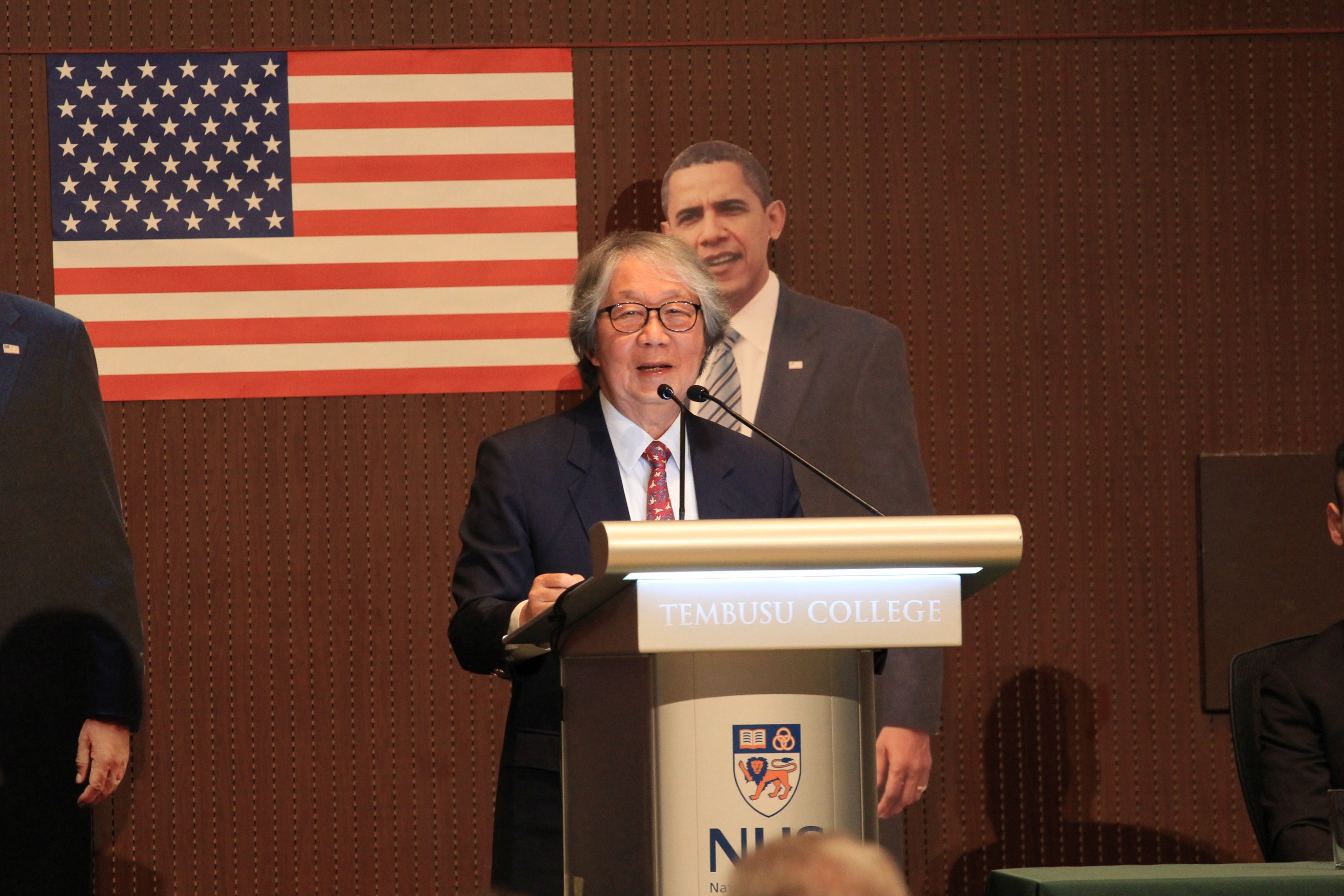
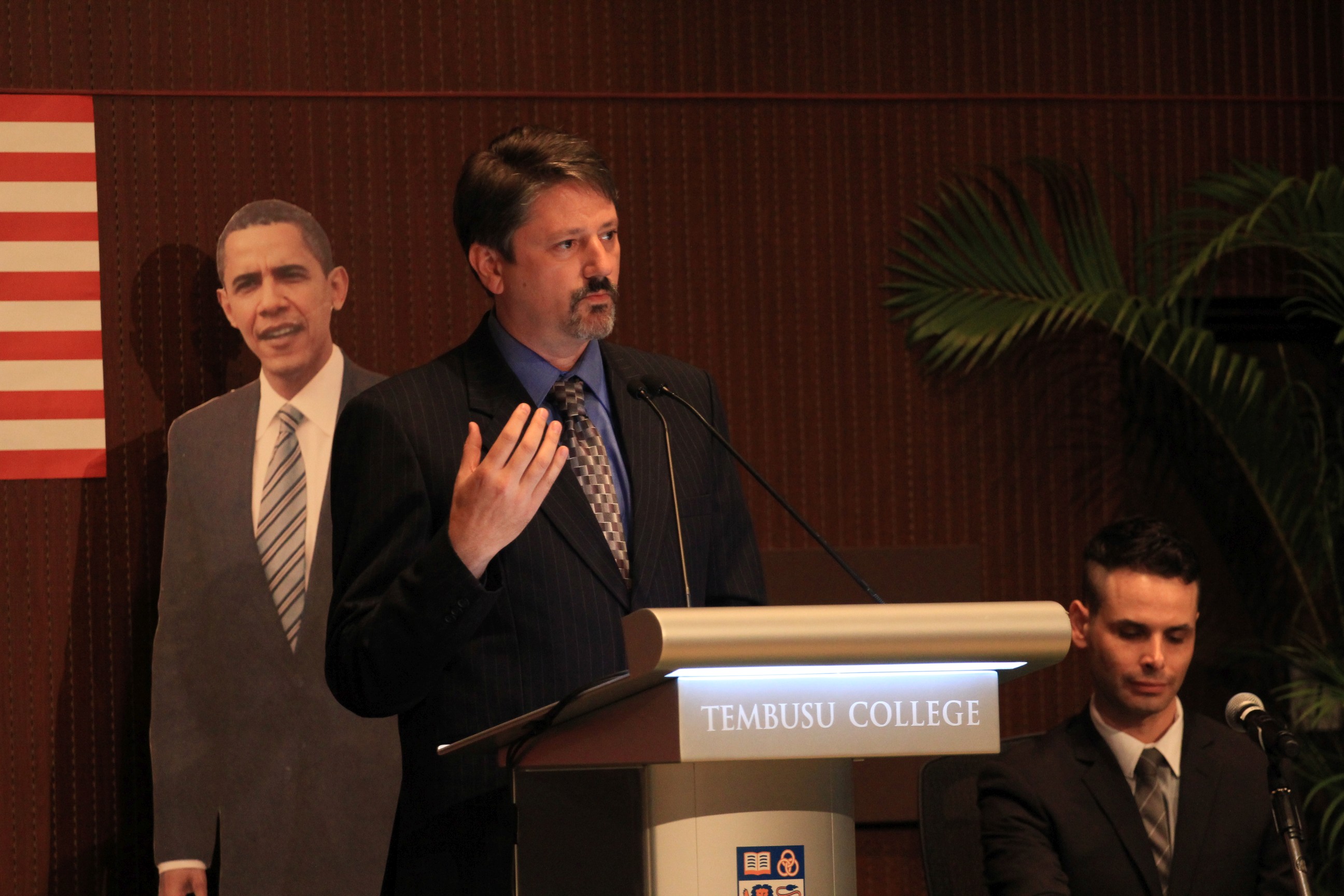
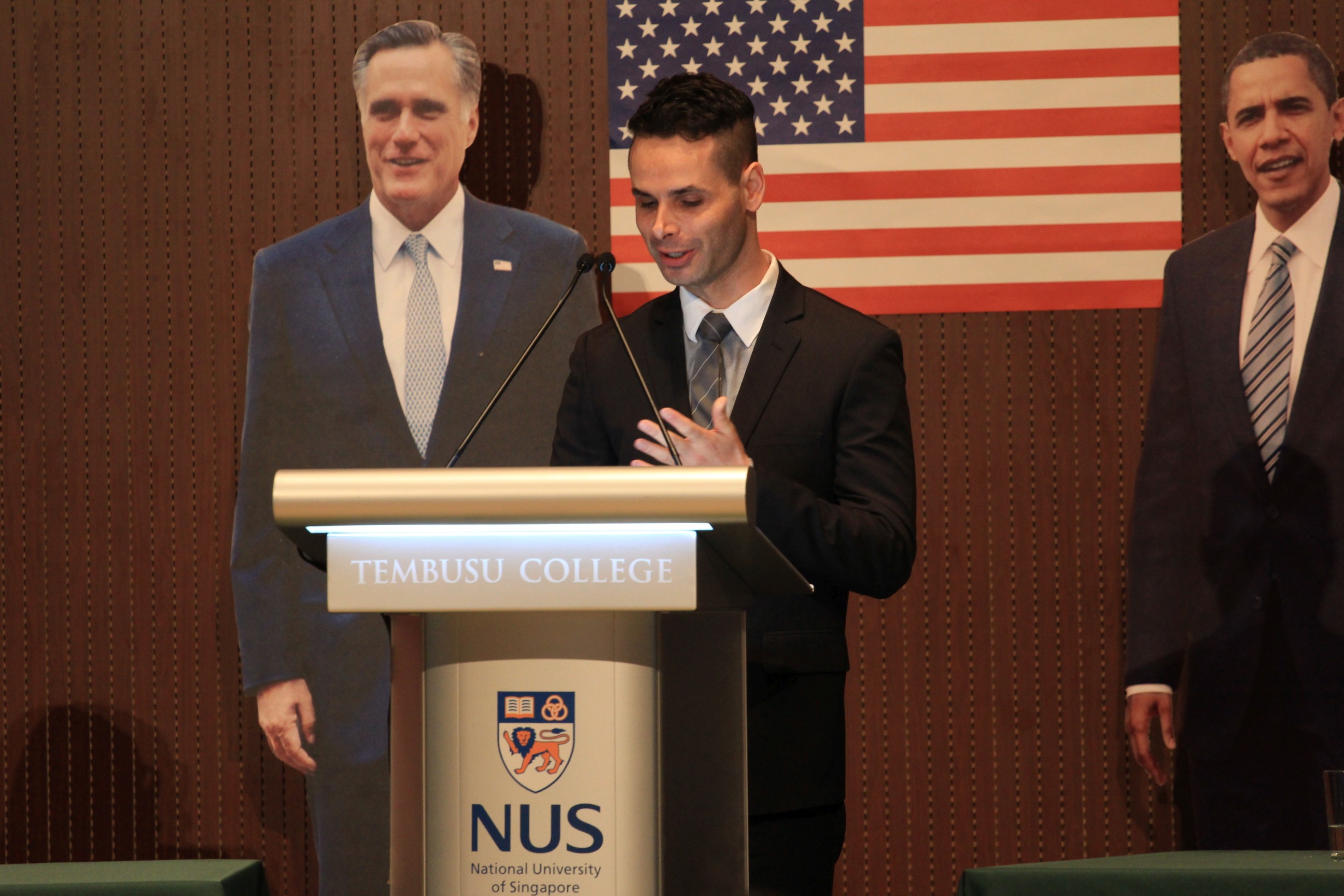
Fellow’s Tea with Mr. Tim Hoffman

Click to enlarge

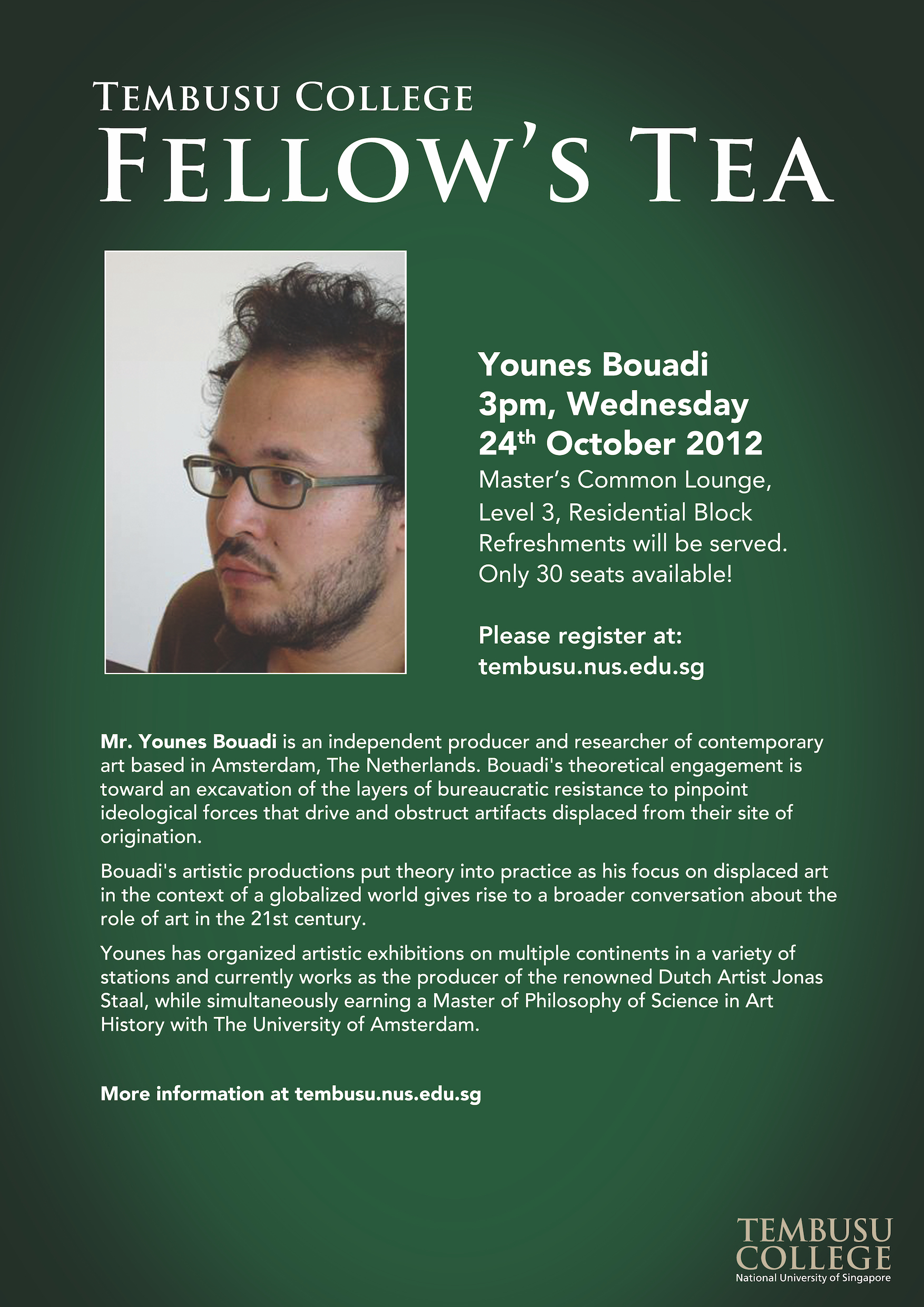
Tembusu College Fellow’s Tea

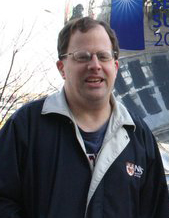
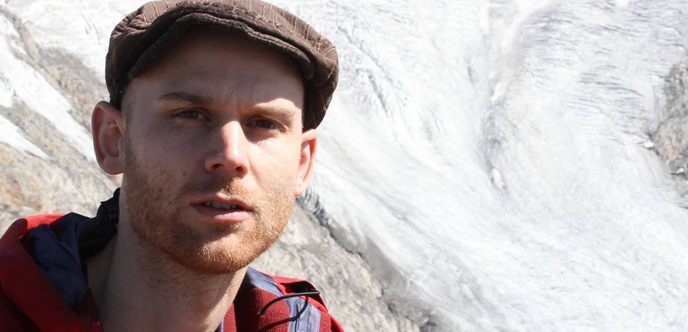
Mr. Tim M. Hoffman

3pm, Monday

29th October 2012

Master’s Common Lounge,

Level 3, Residential Block

Refreshment will be served.

Only 30 seats available!

Please register at: dev-tembusu-nus.pantheonsite.io

Tim Hoffman was born in the USA and spent 40 years in Asia (Japan 28, India 8, etc). He has trained extensively in piano and Western music, in shakuhachi by Japanese Living National Treasure Yamaguchi Goro, and in Hindustani vocal music by Benares gharana head Pdt Ganesh Prasad Mishra.

He performs Indian classical music on shakuhachiand koto – authenticated by the government and institutions in India and through scores of major events throughout India, Japan, USA, Europe. He also sings and publishes in languages of a few Asian cultures.

An honors graduate of four major universities of USA, India and Japan, Tim Hoffman was also a lecturer in ethnomusicology in leading universities such as Musashino Music Academy and Keio University since 1992.

He has also garnered major international awards as a musician and a scholar. As founder/director of the Indo-Japanese Music Exchange Association, Hoffman has produced many international/intercultural events in Asia, USA & Europe.

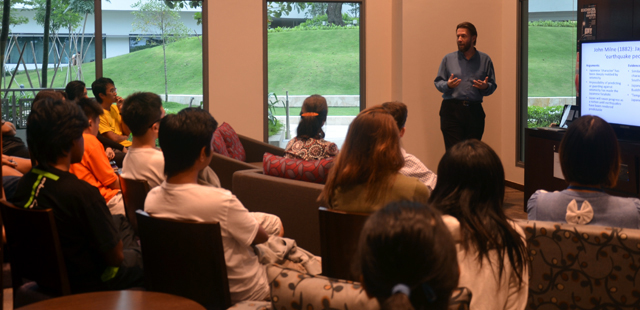
Work In Progress Seminar with Dr. Axel Gelfert

Click to enlarge

Topic: Rumours – Which Ones Can You Trust?
Speaker: Dr. Axel Gelfert

Abstract:
Rumours don’t usually get a good press in academic circles. Spreading rumours is typically dismissed as morally blameworthy, yet at the same time rumours have been described as ways in which social communities ‘make sense’ of situations of uncertainty. Either way, for better or worse, rumours are an important element of public discourse. In this Work-In-Progress seminar, I will focus on rumours as a possible route to knowledge rather than as a social or political problem. That is, I will discuss the question of whether (and if so: when) rumours may be reasonably thought of as a source of knowledge — even if we cannot, and should not, always take them at face value.

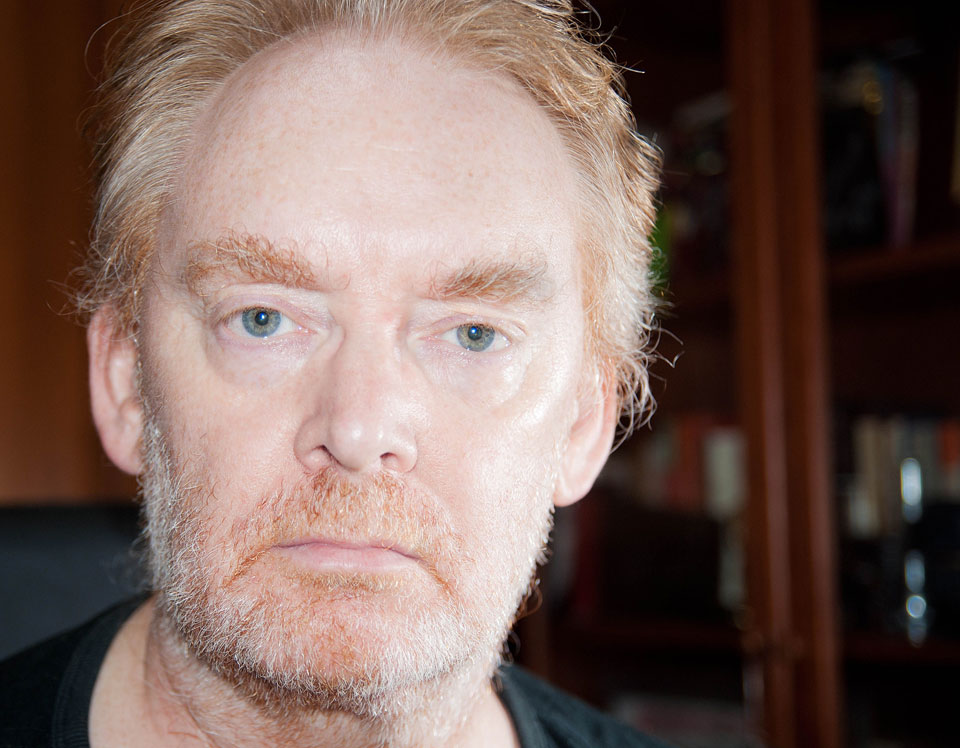
Fellow’s Tea with Prof. Janet Browne

Click to enlarge

15th October 2012, 3.00pm

Master’s Common Lounge, Level 3
Only 30 seats available!
Refreshments will be served.

Register here!

Bio

Prof. Janet Browne’s interests range widely over the history of the
life sciences and natural history. At Harvard she teaches an
introductory history of Darwinism, from Darwin’s day to now. She is
greatly interested in the history of animal and plant collecting, old
museums, voyages of exploration, garden history, and the science and
religion controversies. Up until six years ago she lived and worked in
England, mostly Cambridge and London. During that time she specialised
in reassessing Charles Darwin’s work, first as an associate editor of
the early volumes of The Correspondence of Charles Darwin, and more
recently as author of a biographical study that integrated Darwin’s
science with his life and times. The biography was received generously
both in the UK and USA, and awarded several prizes, including the James
Tait Black award for non-fiction in 2004 and the Pfizer Prize from the
History of Science Society.

Welcome Dinner

Click to enlarge

A welcome dinner was jointly organized for the students of University Scholar Programme (USP) and Tembusu pilot programmes at Prince Georges Park Residence. The students were greeted by the Masters of both colleges and spent the evening mingling with their peers from USP.

Work In Progress Seminar with Dr. John P. DiMoia

Click to enlarge

Topic: K-pop, and the Culture of South Korean Plastic Surgery
Speaker: Dr. John P. DiMoia

Abstract:
Why do so many Korean pop stars and singers opt for plastic surgery? How did this culture of changing one’s body for economic gain develop? Starting with the elite clinics of Kangnam-gu (SE) in Seoul, this talk will offer an alternative history for cosmetic surgery in Korea.Following the history of one specific practice, the double eyelid surgery, the talk will briefly trace the procedure from its origins in Meiji Japan, to the Korean War, and through the subsequent development of a South Korean biomedical and surgical culture after 1954. From the original goal of “round eyes,” to the present-day goal of possessing “big eyes,” South Korean clients have adopted plastic surgery as a means of self-fashioning, transforming themselves to fit their own desired self-image.The question remains as to what this culture means for these individuals, as well as others in the region now exposed to it through the medium of popular culture.

Work In Progress Seminar with Dr. Michitake Aso

Click to enlarge

Topic: Floods and Storms, Scalpels and Livers: Looking for Climatologists and Medical Doctors in Vietnam
Speaker: Dr. Michitake Aso

Abstract:
For many reasons, getting access to information in Vietnam is not always a simple task and doing historical research there can be both a very rewarding and frustrating process. Historians everywhere, but especially in societies such as Vietnam, have to be equal parts detective and diplomat. In this talk, I reflect on initial findings from my current research. The first strand of this research is on the history of climate in Vietnam. How governments and individuals view natural disaster management can reveal a lot about the relationship between the two and I am interested in how people were governed in the Red River Delta in post-1954 socialist Vietnam. The second strand of this research is on intellectual networks in the twentieth-century socialist world. Personal documents left behind by Vietnamese medical doctors point to surprising ways in which socialist experts travelled, mentally and physically, through the Cold War era. I will also reveal some of the trials and tribulations of my research.

Of Music, Community Service and, Internet Fiction
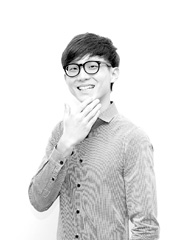
Song Yu Chuan is a freshman Architecture student at Tembusu College. He is a singer-songwriter and member of the Composers and Authors Society of Singapore (COMPASS). In 2008 he won Best Composition and Best Performance at the National Inter-JC Chinese Songwriting Competition. In 2010 he officially entered the music industry through a long-term songwriter contract with VI Music, under Warner Chappell Music. Since then, Yu Chuan has been actively involved in the local mandopop music scene and has been featured on Playlist. Yu Chuan firmly believes that good music and good performers do not seek to impress others, but to express themselves.
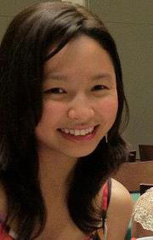


Yeshey Choden is a freshman Civil Engineering student at Tembusu College. She was raised and taught in an authentic Bhutanese environment where she learnt about Buddhism and own her culture and tradition. Two distinct features of the Bhutanese are their dedication and loyalty to the King and the government and their pursuit of a unique path of development: Gross National Happiness. In 2011 Yeshey came to Singapore to pursue her tertiary education through the King’s Scholarship. Since being in Singapore Yeshey has developed particular interests in social work and community service.
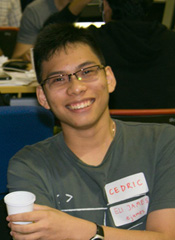


Cedric Chin (ejames) is a senior Computing student at Tembusu College. He works on web-based books. In 2006 he started Novelr.com, a site devoted to Internet fiction and in 2008 he helped create the Web Fiction Guide. His latest venture, founded in 2010, is Pandamian.com, an online publishing service. He was the youngest speaker at the Books in Browsers conference in San Francisco in 2010 and 2011, and currently contributes to the OPDS and Readium working groups. Cedric is a member of the Reading2.0 mailing list, an invitation-only listserv of book technologists maintained by Peter Brantley, founder of the Open Book Foundation.

The Elephant in the Room

The Elephant in the Room

With Singapore Press Holdings having a near-complete monopoly over the print media and with the Media Development Authority reviewing material to be consumed by the public, Singapore has been accused of being a soft autocracy with regards to media. Many internet-savvy citizens have taken to the domain of the Internet to air their views and provide alternative news for the public.

Is the government being so invested in the media the best-fit solution? Or should the media be more liberalized to allow for differing viewpoints and opinions?

Monday, 15 October 2012, 7.30pm
Common Lounge, Level 1
Tembusu College
No registration required

Moderator:

Nafis Ahmed

Panel of speakers:

Mr. Alex Au (Blogger – Yawning Bread)

Assoc. Professor Elizabeth V. Cardoza (Department of Communications and New Media, NUS)

Tan Pei En (Student)

Shubhendra (Student)