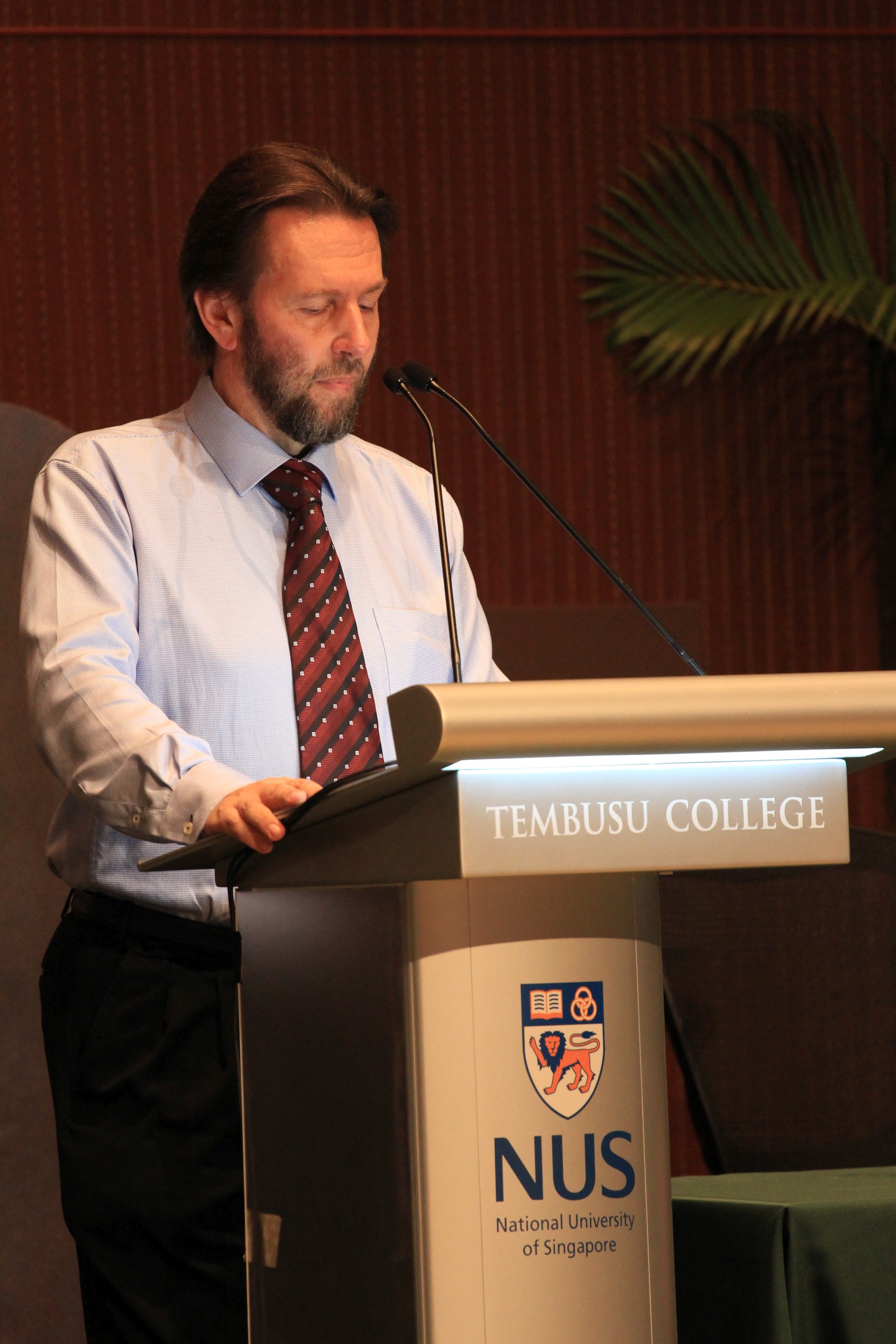
 Topic: K-pop, and the Culture of South Korean Plastic Surgery
Speaker: Dr. John P. DiMoia
Abstract:
Why do so many Korean pop stars and singers opt for plastic surgery? How did this culture of changing one’s body for economic gain develop? Starting with the elite clinics of Kangnam-gu (SE) in Seoul, this talk will offer an alternative history for cosmetic surgery in Korea.Following the history of one specific practice, the double eyelid surgery, the talk will briefly trace the procedure from its origins in Meiji Japan, to the Korean War, and through the subsequent development of a South Korean biomedical and surgical culture after 1954. From the original goal of “round eyes,” to the present-day goal of possessing “big eyes,” South Korean clients have adopted plastic surgery as a means of self-fashioning, transforming themselves to fit their own desired self-image.The question remains as to what this culture means for these individuals, as well as others in the region now exposed to it through the medium of popular culture.
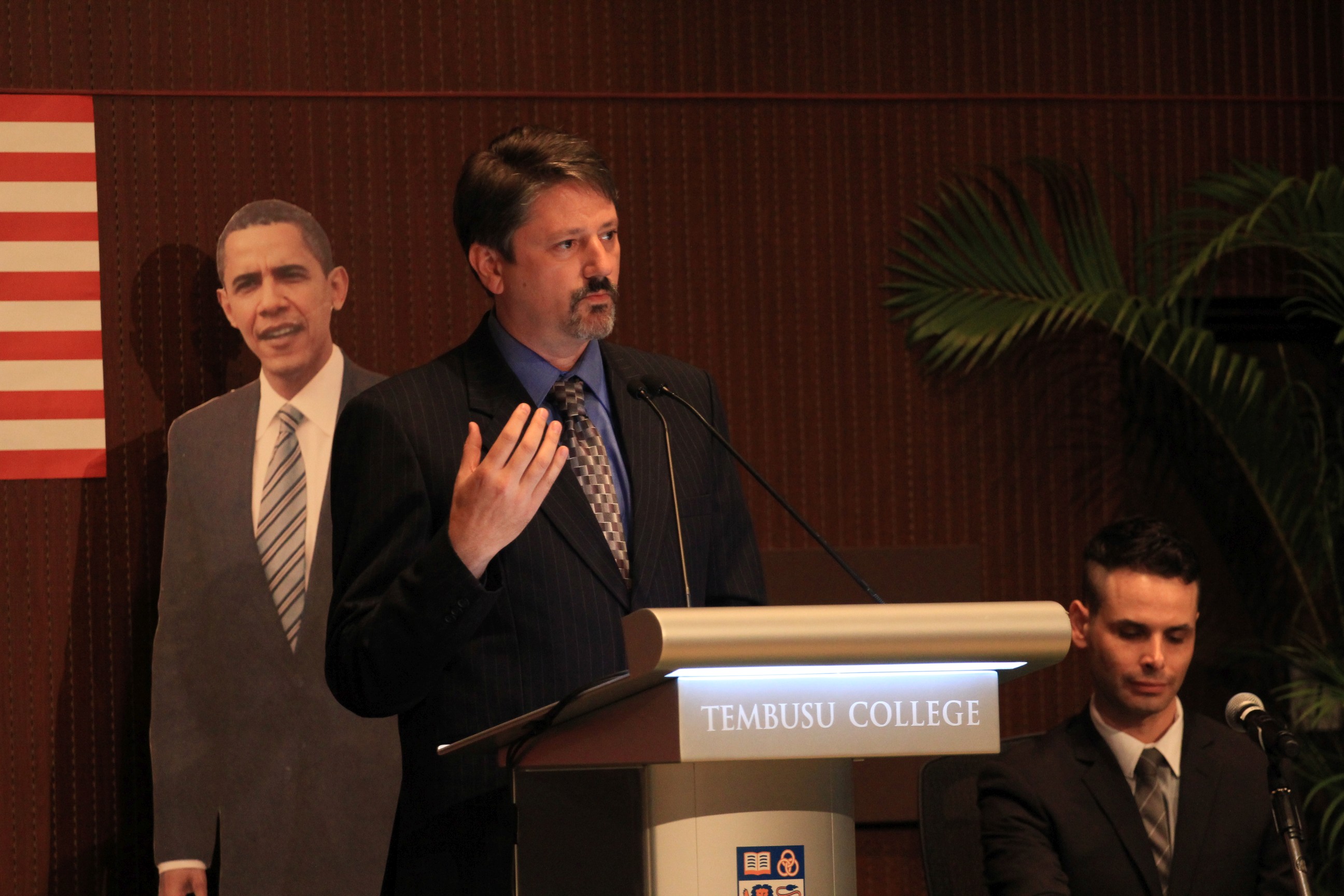
 Topic: Floods and Storms, Scalpels and Livers: Looking for Climatologists and Medical Doctors in Vietnam
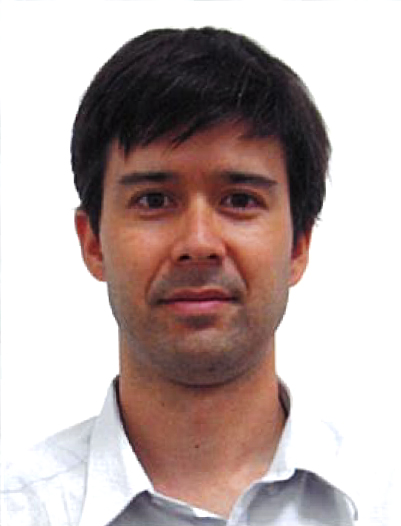
Speaker: Dr. Michitake Aso
Abstract:
For many reasons, getting access to information in Vietnam is not always a simple task and doing historical research there can be both a very rewarding and frustrating process. Historians everywhere, but especially in societies such as Vietnam, have to be equal parts detective and diplomat. In this talk, I reflect on initial findings from my current research. The first strand of this research is on the history of climate in Vietnam. How governments and individuals view natural disaster management can reveal a lot about the relationship between the two and I am interested in how people were governed in the Red River Delta in post-1954 socialist Vietnam. The second strand of this research is on intellectual networks in the twentieth-century socialist world. Personal documents left behind by Vietnamese medical doctors point to surprising ways in which socialist experts travelled, mentally and physically, through the Cold War era. I will also reveal some of the trials and tribulations of my research.

Song Yu Chuan is a freshman Architecture student at Tembusu College. He is a singer-songwriter and member of the Composers and Authors Society of Singapore (COMPASS). In 2008 he won Best Composition and Best Performance at the National Inter-JC Chinese Songwriting Competition. In 2010 he officially entered the music industry through a long-term songwriter contract with VI Music, under Warner Chappell Music. Since then, Yu Chuan has been actively involved in the local mandopop music scene and has been featured on Playlist. Yu Chuan firmly believes that good music and good performers do not seek to impress others, but to express themselves.
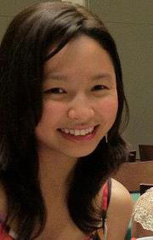
Yeshey Choden is a freshman Civil Engineering student at Tembusu College. She was raised and taught in an authentic Bhutanese environment where she learnt about Buddhism and own her culture and tradition. Two distinct features of the Bhutanese are their dedication and loyalty to the King and the government and their pursuit of a unique path of development: Gross National Happiness. In 2011 Yeshey came to Singapore to pursue her tertiary education through the King’s Scholarship. Since being in Singapore Yeshey has developed particular interests in social work and community service.
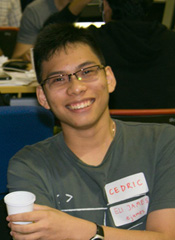
Cedric Chin (ejames) is a senior Computing student at Tembusu College. He works on web-based books. In 2006 he started Novelr.com, a site devoted to Internet fiction and in 2008 he helped create the Web Fiction Guide. His latest venture, founded in 2010, is Pandamian.com, an online publishing service. He was the youngest speaker at the Books in Browsers conference in San Francisco in 2010 and 2011, and currently contributes to the OPDS and Readium working groups. Cedric is a member of the Reading2.0 mailing list, an invitation-only listserv of book technologists maintained by Peter Brantley, founder of the Open Book Foundation.

The Elephant in the Room
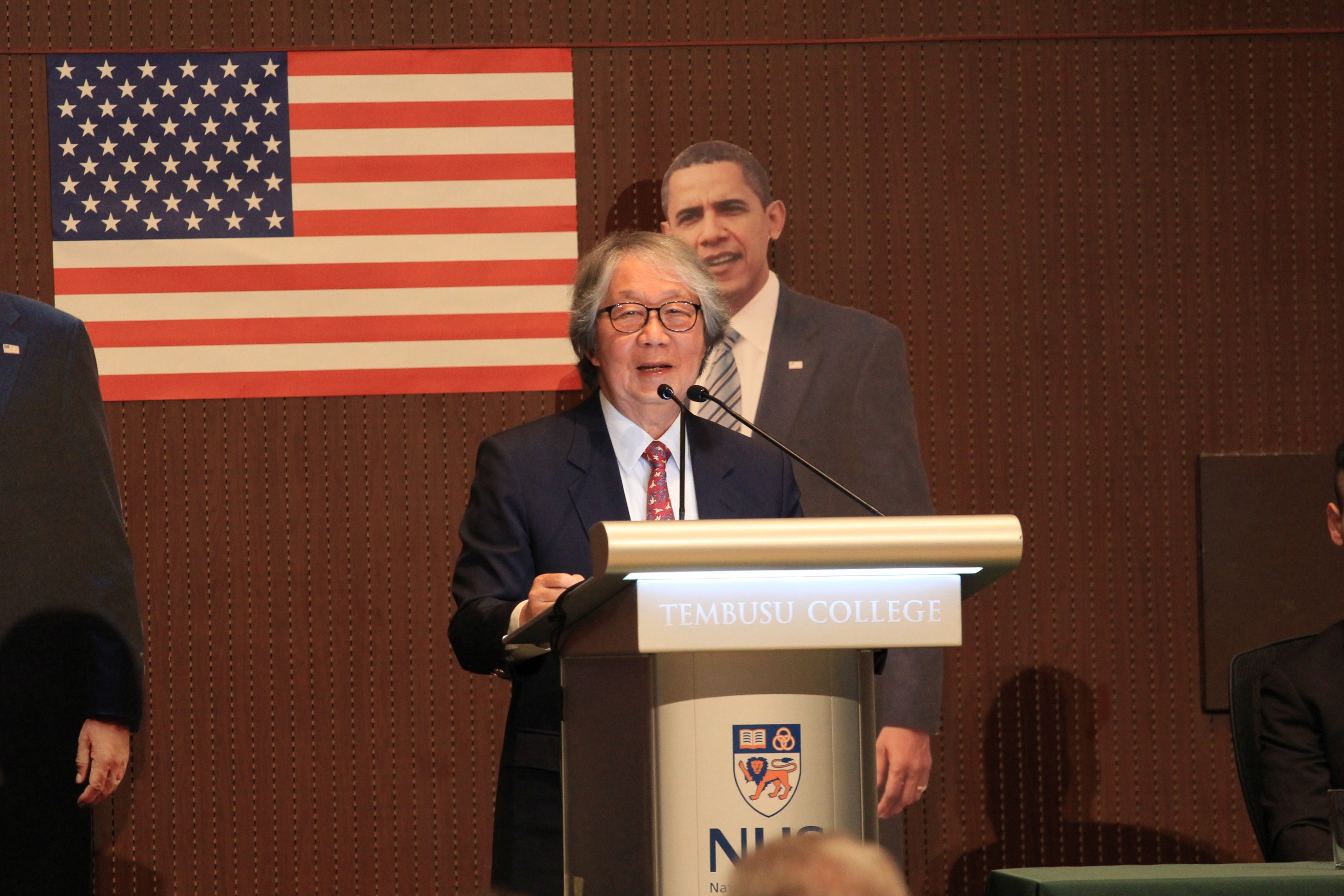
With Singapore Press Holdings having a near-complete monopoly over the print media and with the Media Development Authority reviewing material to be consumed by the public, Singapore has been accused of being a soft autocracy with regards to media. Many internet-savvy citizens have taken to the domain of the Internet to air their views and provide alternative news for the public.
Is the government being so invested in the media the best-fit solution? Or should the media be more liberalized to allow for differing viewpoints and opinions?
Monday, 15 October 2012, 7.30pm
Common Lounge, Level 1
Tembusu College
No registration required
Moderator:
Nafis Ahmed
Panel of speakers:
Mr. Alex Au (Blogger – Yawning Bread)
Assoc. Professor Elizabeth V. Cardoza (Department of Communications and New Media, NUS)
Tan Pei En (Student)
Shubhendra (Student)

Dr. John P. DiMoia
Reading North Korea: What does North Korea Propanganda Reveal?
25th October 2012, Monday, 6.00pm
Abstract:
Since South Korea’s popular culture and the /hallyu (K-wave) /phenomenon has attracted the attention of young people throughout East and Southeast Asia, what does its neighbour to the North have to tell us about contemporary life in northeast Asia?
Using film clips and propaganda images taken from a range of sources, this talk explores some of the dominant themes embedded in North Korean popular culture, arguing that underneath the official rhetoric of anti-American and anti-Japanese imagery, North Korea holds a strong sense of nostalgia for its own triumphs as a nation, including the period of successful reconstruction after the Korean War (1954-early 1960s) and the high tension present during much of the 1960s. With these materials, it is possible to glimpse the human, even playful, side of the “other” Korea, even as the North remains a state with an uncertain future.

Dr. Ingmar Lippert
Managing the environment
13th September 2012, Thursday, 6.00pm
Abstract:
Since the 1970s governments increasingly attended to so-called environmental problems. Within the last two decades companies joined this movement to gain more attention. In the early 1990s discussion of so-called sustainable development emerged within global policy discourse. In this historical context we can identify that both nation states and corporations institutionalised environmental protection and sustainable development. Ministries formed, agencies were founded, firms employed corporate environmental managers. Environmental work needed to be done by particular people. Here they are: agents who are supposed to bring about sustainable development; some frame their project as the greening of capitalism. I study their day-to-day work practices. This talk surveys the work of environmental managers in corporations or nature reserves. What generalizations can we make from these cases?