Sharing Research on Wellbeing with Local Communities

Sharing Research on Wellbeing with Local Communities

On Saturday 4th April, 2026, Tembusu College students reading the course Happiness by Design held an exhibition showcasing their research on the wellbeing of young people in Singapore.

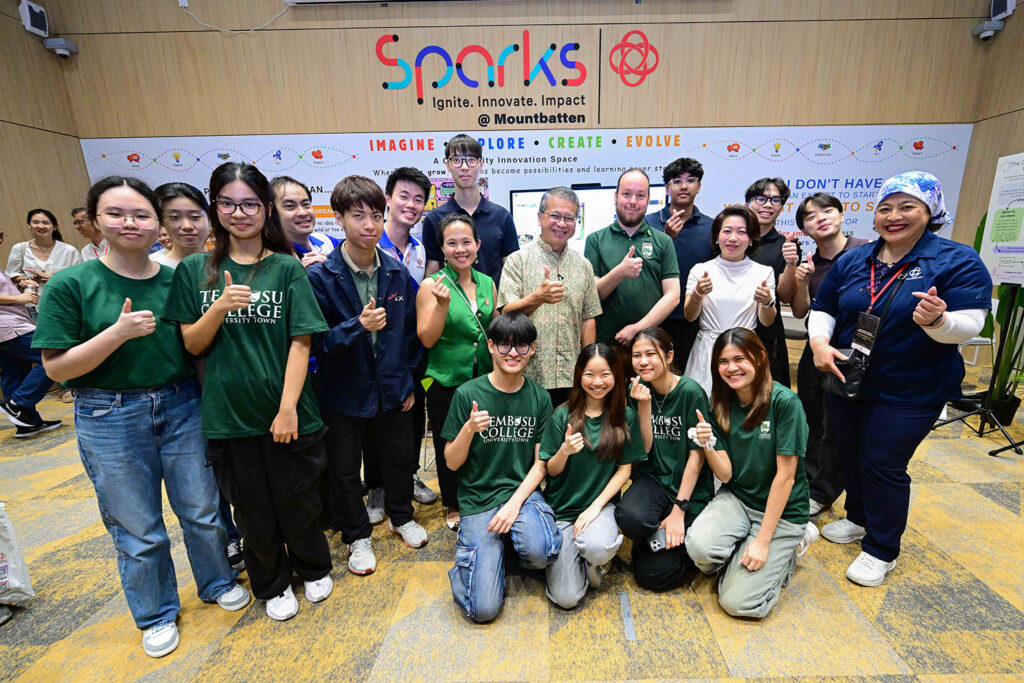
Students from 'Happiness by Design' with Minister for Law and Second Minister for Home Affairs, Edwin Tong, Grassroots Adviser for Mountbatten Ms Gho Sze Kee, Course Coordinator Dr Eric Kerr, Growthbeans Co-founder Ms Shane Yan, Dakota Breeze Residents' Network (RN) Vice-Chairperson Mdm A J Suhani, and community representatives from Mountbatten. Credit: People’s Association.

How can we design spaces and networks that support the happiness and wellbeing of young people in Singapore? This is the question that students from Happiness by Design asked themselves over the course of the past semester (AY25/26 Semester 2).

This semester, the course partnered for the third time with Growthbeans, a social enterprise focusing on collective wellbeing through self-awareness, inclusivity, relational skills, and employability. In the first half of the semester, through seminars on happiness and wellbeing from ancient philosophy to contemporary sociology and psychology, students learned about what can improve wellbeing and happiness in societies around the world and in Singapore in particular. In the second half, students conducted semi-structured interviews, reviewed literature, and developed interactive exhibitions that educated a public audience on the latest research as well as the challenges faced by youths today.

The exhibition was held at the opening ceremony of the Mountbatten Community Club and Minister for Law and Second Minister for Home Affairs, Edwin Tong, stopped by, in his capacity as Deputy Chair of the People’s Association, to engage with the students and their exhibits.

Four groups of students created four exhibits:

  • “Under One Roof” by Lam Hui Xing Elysia, Estelle Loo En, and Shawn Lim Le Yang

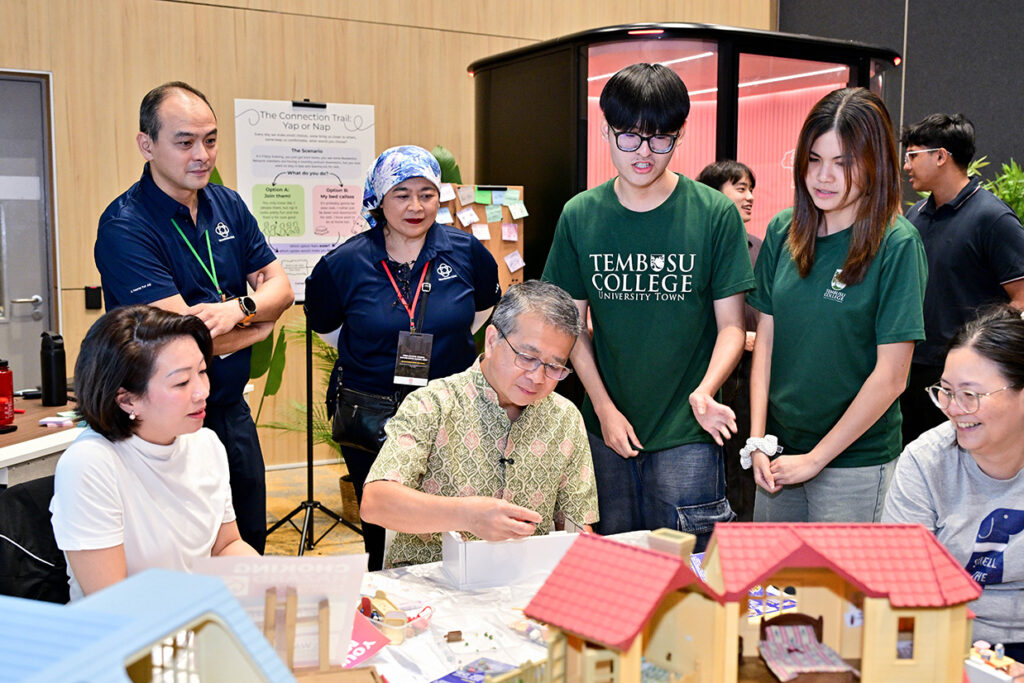
This exhibit invited participants to become interior designers and design “third spaces” that would improve their wellbeing. Third spaces are spaces outside of home and work or education. Research shows such environments are vital for fostering social connection, one of the key factors influencing happiness.

Minister Edwin Tong designs a third space at the “Under One Roof” exhibition. Credit: People's Association
  • “Drop the Weights” by Nguyen Kim Gia Han Sophia, Tan Pei Xuan, and Zhang Xiyuan

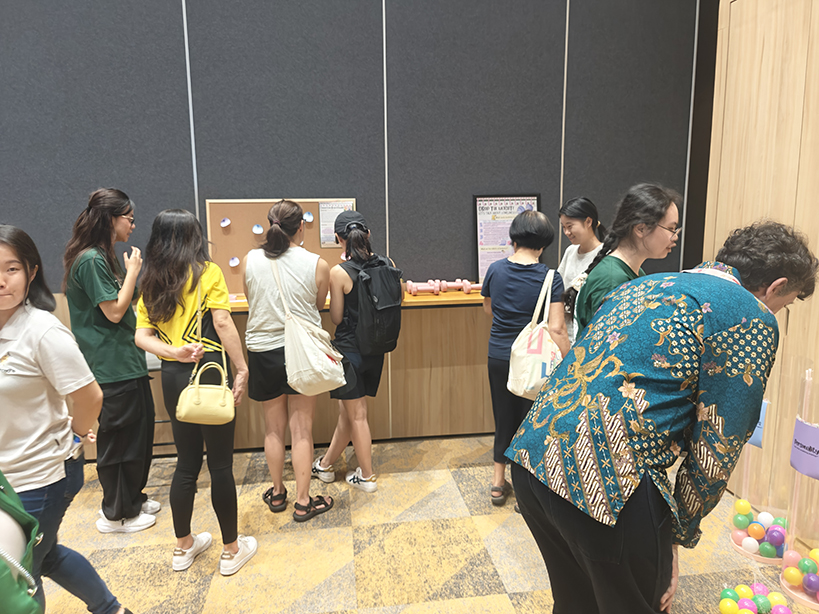
This exhibit sought to demonstrate the heaviness of loneliness, a common experience among youths in Singapore today, by making participants carry heavy weights symbolising different factors that research shows can create feelings of loneliness. Other components invited participants to share, without judgment, what can make them feel lonely, what can help, and the physical toll that loneliness can have on our bodies.

Visitors of all ages explore the "Drop the Weights" exhibit. Credit: Eric Kerr
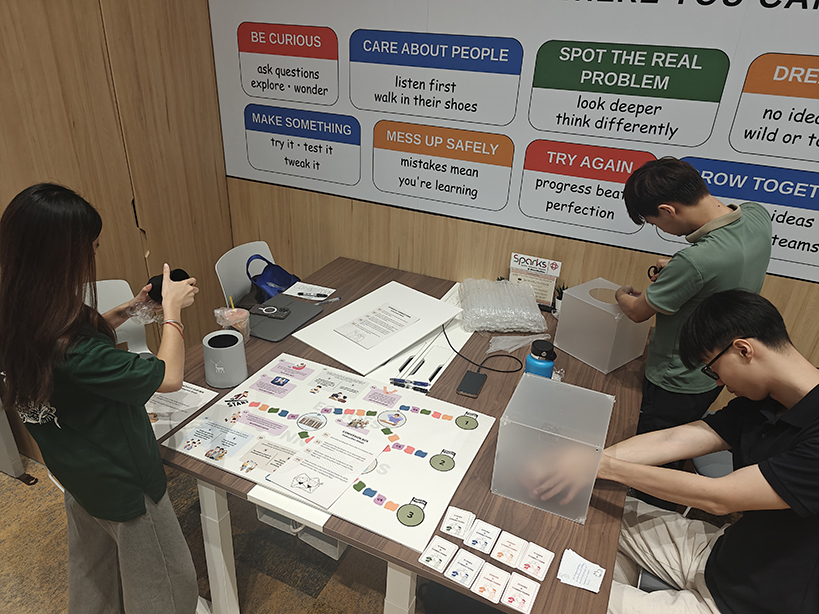
  • “Echoes and Connections” by Lee Jia En, Li Zihan Harry, Benjamin Lua Kai Xin, and Olivia Ong Yu Xuan

This exhibit took the form of a board game where players made key life decisions that revealed how, according to wellbeing research, the choices we make influence our happiness.

The "Echoes and Connections" team working hard to build their exhibit. Credit: Eric Kerr
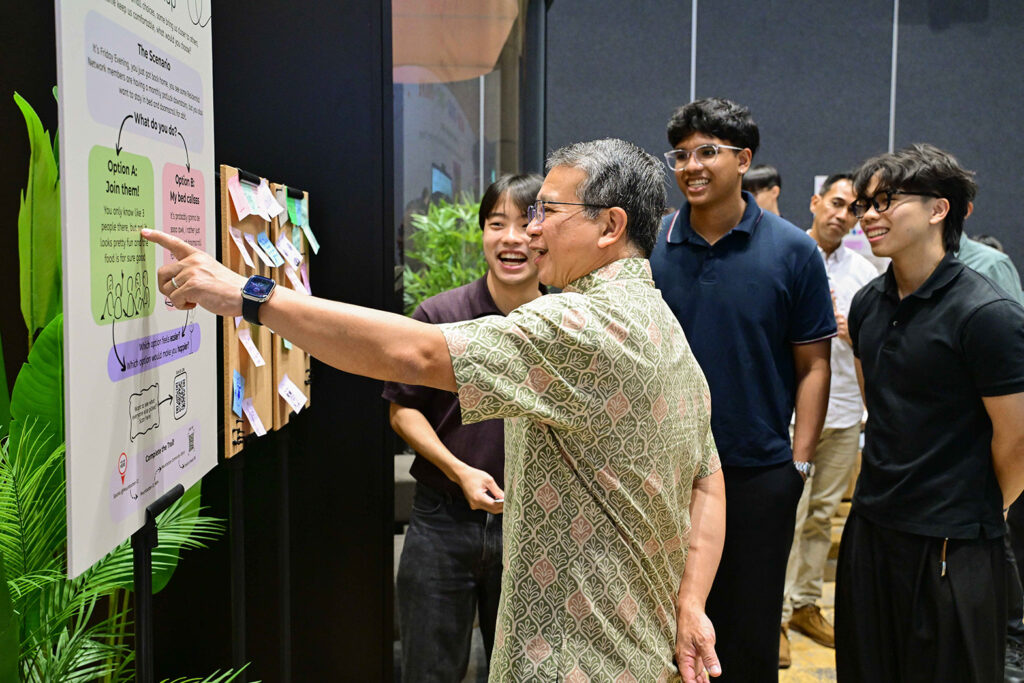
  • “The Connection Trail” by Brandon Ho Teng Wei, Ho Zheng Cong, Cymon, and K Divyash

This exhibit took participants on a “choose your own adventure” style scavenger hunt from Mountbatten Community Club to the Dakota Breeze RN. The adventure featured a variety of scenarios which will be familiar to youths in Singapore (from studying in the library to meeting friends) and educated participants as to what the research says about each scenario and its impact on wellbeing.

This semester’s focus on people aged 18-35 was initially proposed by the course’s community partner, Growthbeans, who have identified youth wellbeing as a key strategic focus. Reflecting on the semester, Shane Yan, co-founder of Growthbeans, said, “Working with Prof Eric and the students from Tembusu College has been a joy. Their ideas, curiosity and their openness to learn brings inspiration and a lot of intellectual stimulation. Growthbeans is glad to be a community partner to provide projects and challenge statements that help them to learn and discover more about themselves and others, while creating an impact in community.”

Minister Edwin Tong visits “The Connection Trail”. Credit: People's Association

Teeing Off for Tembusu Students at NUS 120th Anniversary Charity Golf

Teeing off for Tembusu Students at NUS 120th Anniversary Charity Golf

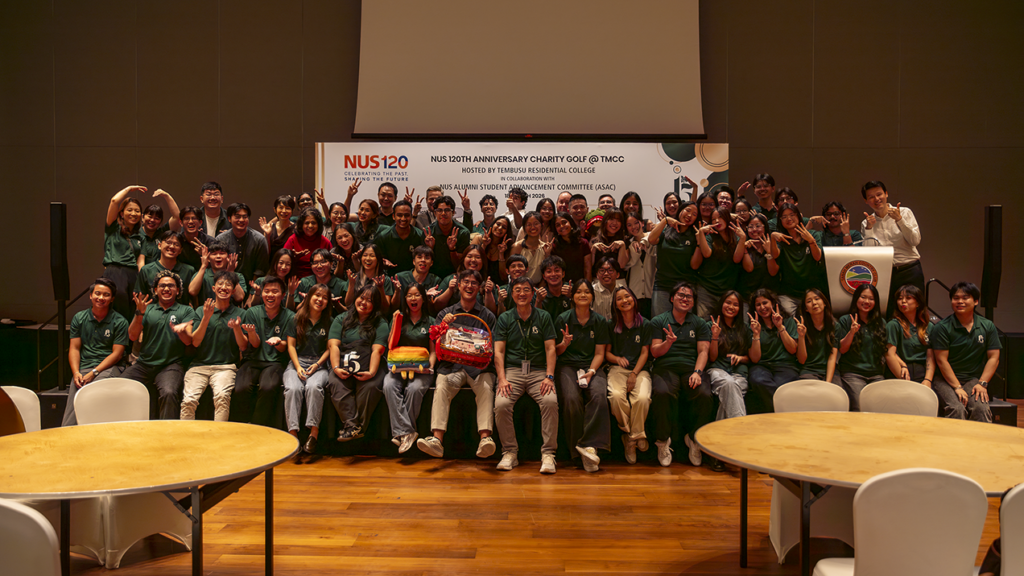
Golfers, Organising Committee members and student ambassadors

Tembusu College at the National University of Singapore hosted the NUS 120th Anniversary Charity Golf at Tanah Merah Country Club on 18 March 2026. The event brought together alumni, partners, and friends of the College for a meaningful day of camaraderie, generosity, and shared purpose.

Participants spent the day on the fairway in friendly competition, united by a common purpose of supporting Tembusu students. The weather smiled on us throughout the day, which contributed to the overall success and spirit of the event.

We are pleased to share that the event raised over $311,000 in support of Tembusu students, particularly those who would benefit from financial assistance. This strong show of support demonstrates a shared belief in the value of the Tembusu experience, one that extends beyond the classroom and is shaped by community, dialogue, and opportunity.

Left to right: Mr Tan Te Juan, Ms Lim Swee Kim, Mr Chua Hung Meng, Mrs Lim Hwee Hua, Assoc Prof Ho Chee Kong, Mr Edwin Seow, Mr Alan Anand

At the dinner that followed, which was attended by about 250 guests, the impact of this generosity could not be more strongly felt. Bursary recipients shared their personal experiences, grateful for how financial support has enabled them to participate more fully in College life and to pursue opportunities with greater confidence. Their stories were a powerful reminder that every contribution has a direct and meaningful impact on a student’s journey.

Mr Sherwin Lee, Tembusu College Alumni
Ms Mae Chen, Class of 2015

The evening also featured a magic performance, adding a light-hearted touch to the programme.

Magician: Mr Kiran Keshvani, 4th year Tembusian

While the Charity Golf marks an important milestone in the University’s 120th anniversary celebrations, the need to support our students continues beyond a single event. Sustained giving enables future cohorts of Tembusu students to benefit from the same opportunities, regardless of financial background.

We warmly invite members of the Tembusu community and friends of the College to continue this shared effort. Your support ensures that all Tembusu students will be fully enriched by their College experience, and grow to contribute to its vibrant community.

This event would not have been possible without the generosity of our donors and sponsors, as well as the dedication of our organising committee, students, and staff who contributed their time and effort behind the scenes. We extend our sincere appreciation to all who made this event possible.

Organising Committee:
Assoc Prof Ho Chee Kong
Mr Chua Hung Meng
Ms Lim Swee Kim
Dr Kuan Yee Han
Dr Priscilla Koh
Ms Divya Balu
Ms Poo Lai Fong
Mr Ryan Chew
Ms Selvia Tjahjanto
Mr Tan Te Juan

Fellows, staff, students and alumni of Tembusu College

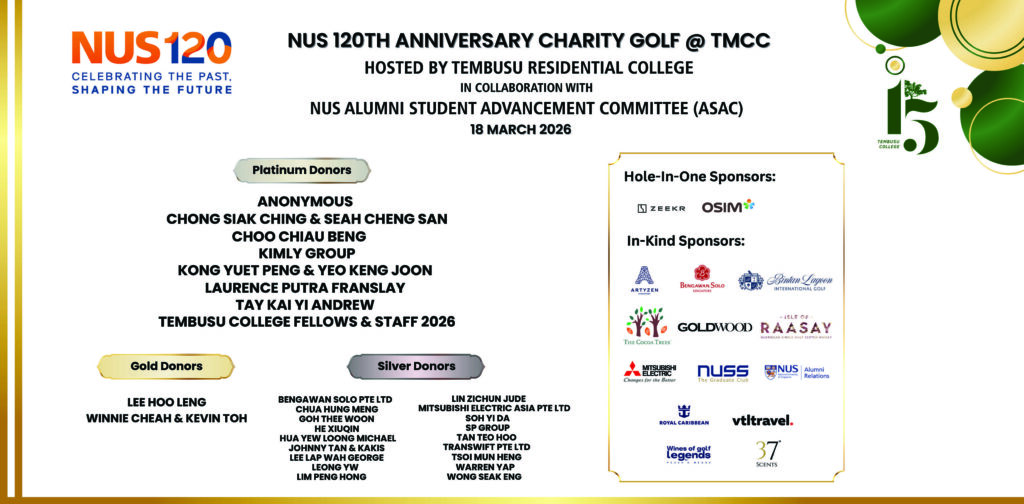
Donors and sponsors:

With thanks again to our donors and sponsors!

Check out the photo album here

Annual Prize-winning Tembusu Students Announced

Annual Prize-winning Tembusu Students Announced

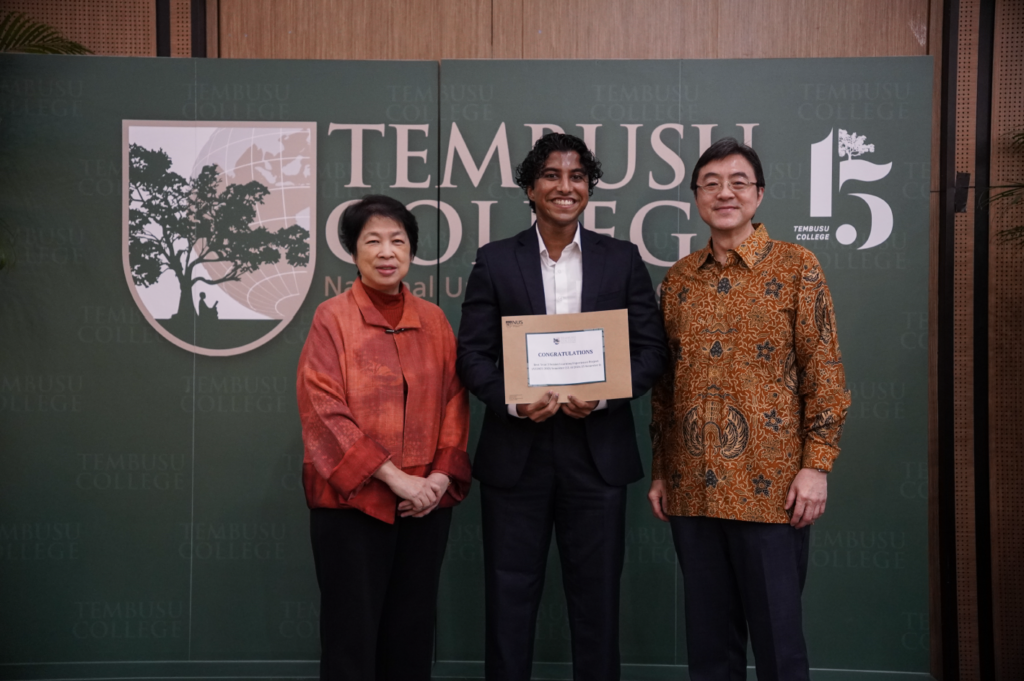
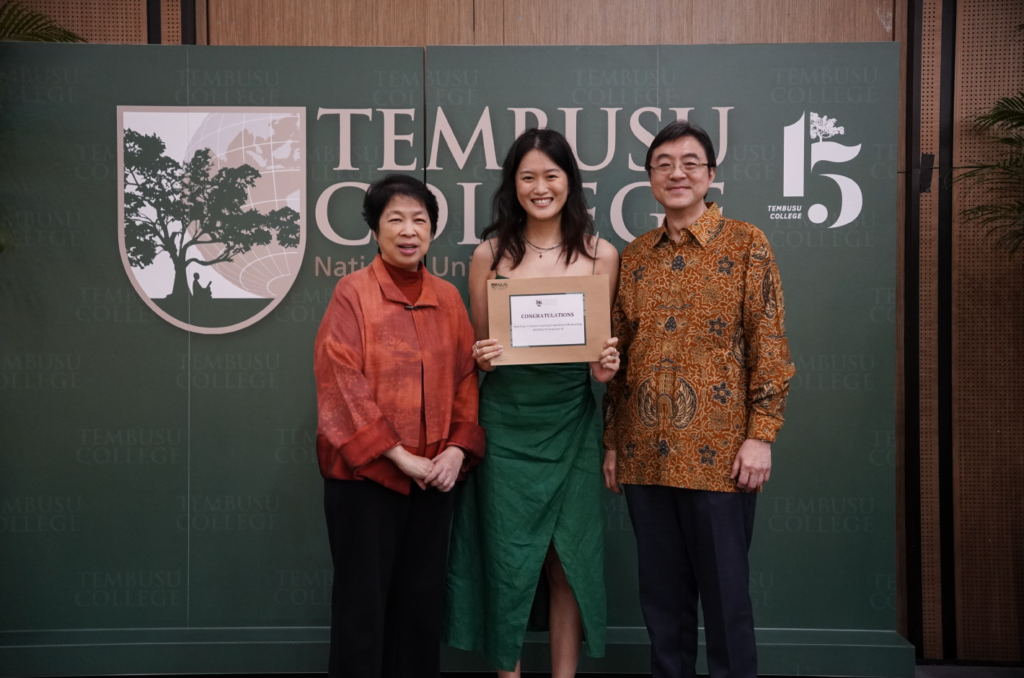
As is the College tradition, nine student prizes winners were announced at the annual end-of-semester Tembusu College Formal Dinner on 2nd April 2025: Best Essay (3 awards); Best Creative Work (2 awards); Best Other Work (2 awards); Best Year 3 Senior Learning Experience Project (1 award) and Best Year 4 Senior Learning Experience Mentorship (1 award).

The awards showcased a highly diverse and interdisciplinary array of student works across traditional academic, creative, community and pedagogical spaces. Two awards were given to student groups for Communities and Engagement course projects, positively impacting communities in Singapore.

The Best Essay prizes were won by Davina Sitoh Yingrui, Li Zihan and Tan Kangde Andrew for works on smart dining, a footballing scandal and urban planning in Singapore

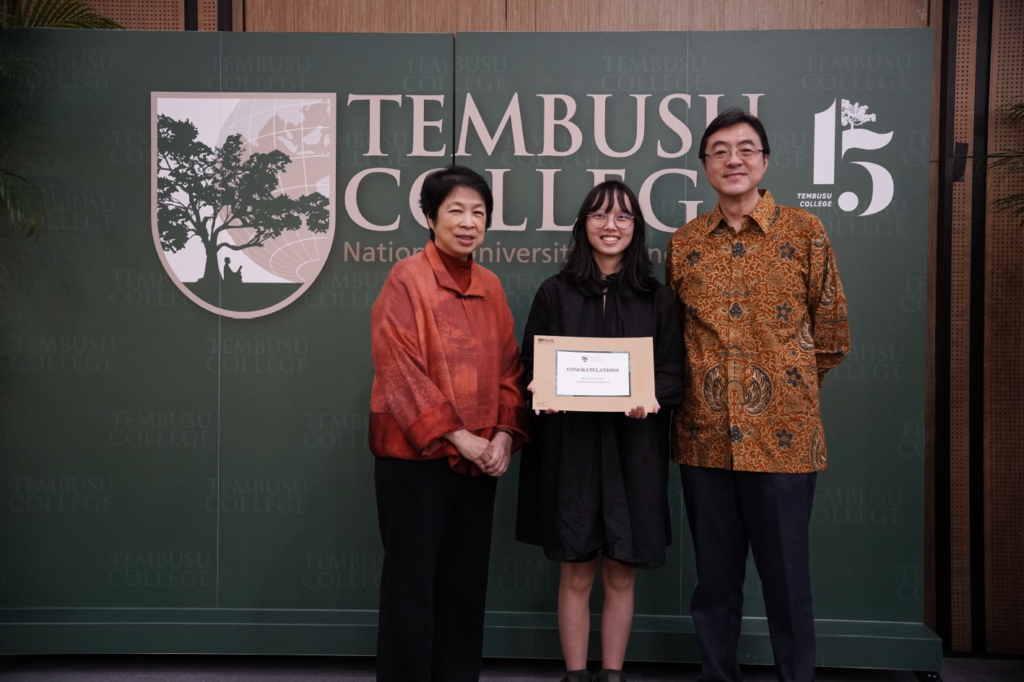
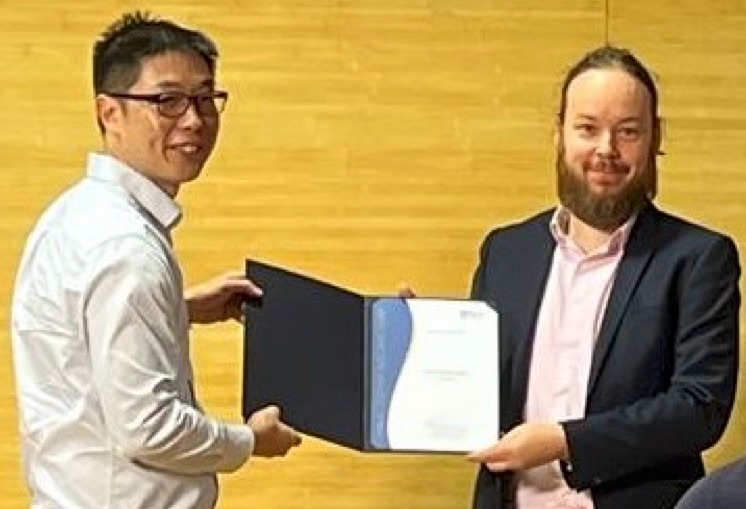
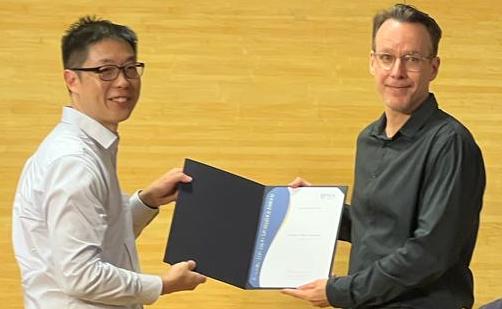
Davina Sitoh Yingrui, one of the winners of the Best Essay Prize, pictured with the College Rector Mrs Lim Hwee Hua and the College Master Associate Professor Ho Chee Kong

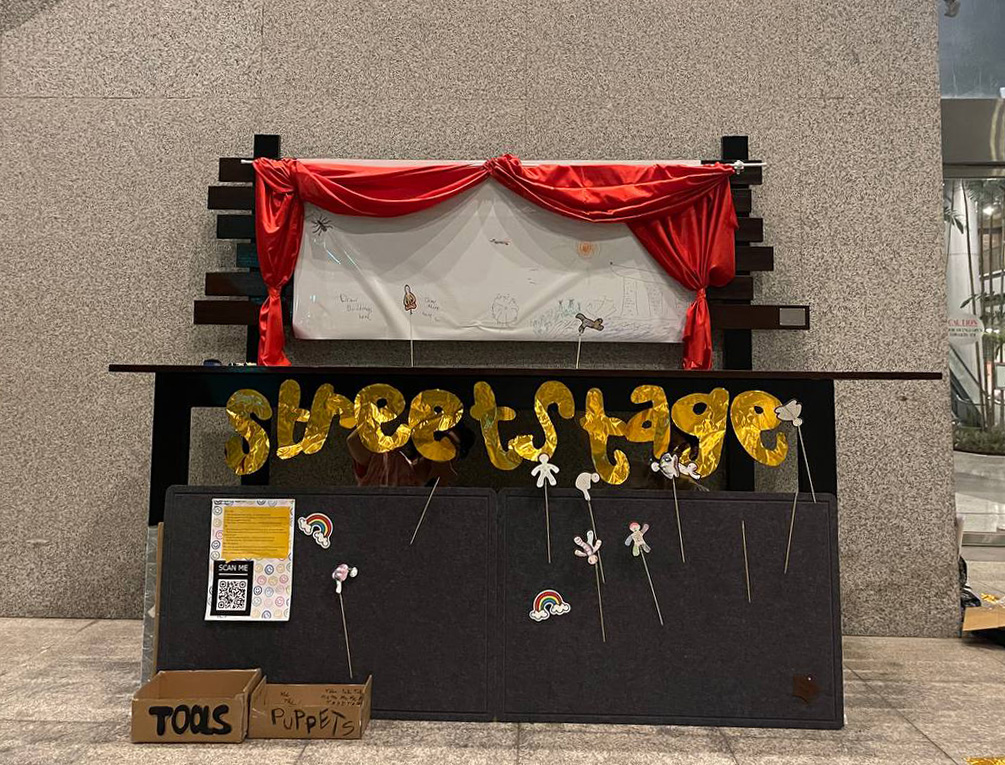
Amanda Lim and the team of Chen Le, He Yuxin, Tan Zhao Yu, Nick and Holmes Thomas Stuart were awarded the Best Creative Work prize for works analysing academic discourse and public space in the city.

The SteetStage public space project by Chen Le, He Yuxin, Tan Zhao Yu, Nick and Holmes Thomas Stuart that enlivened public space in the CBD

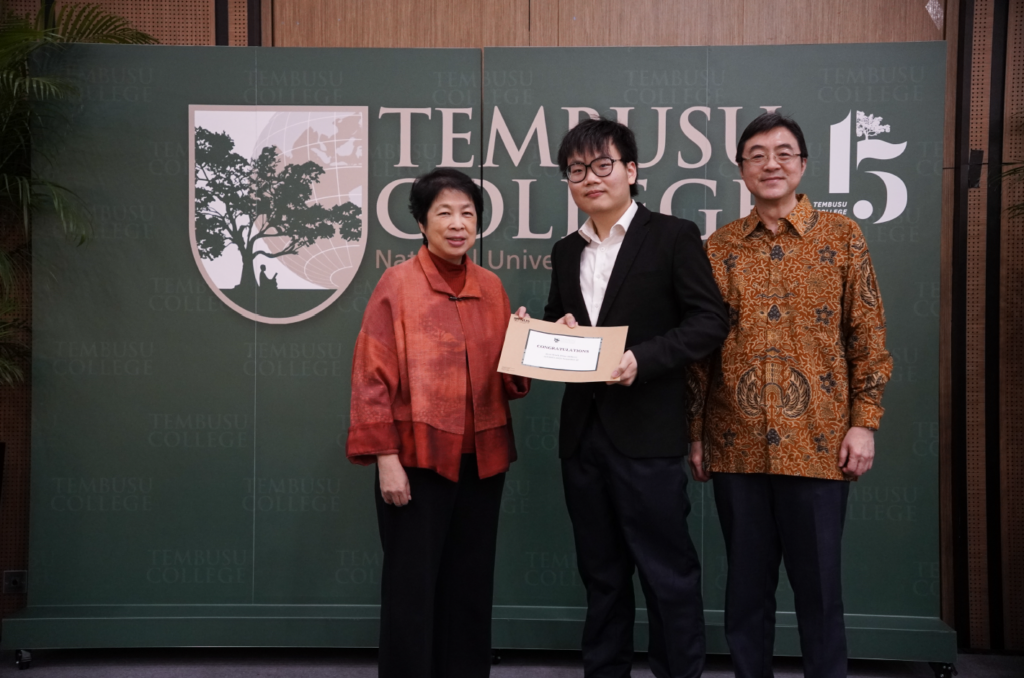
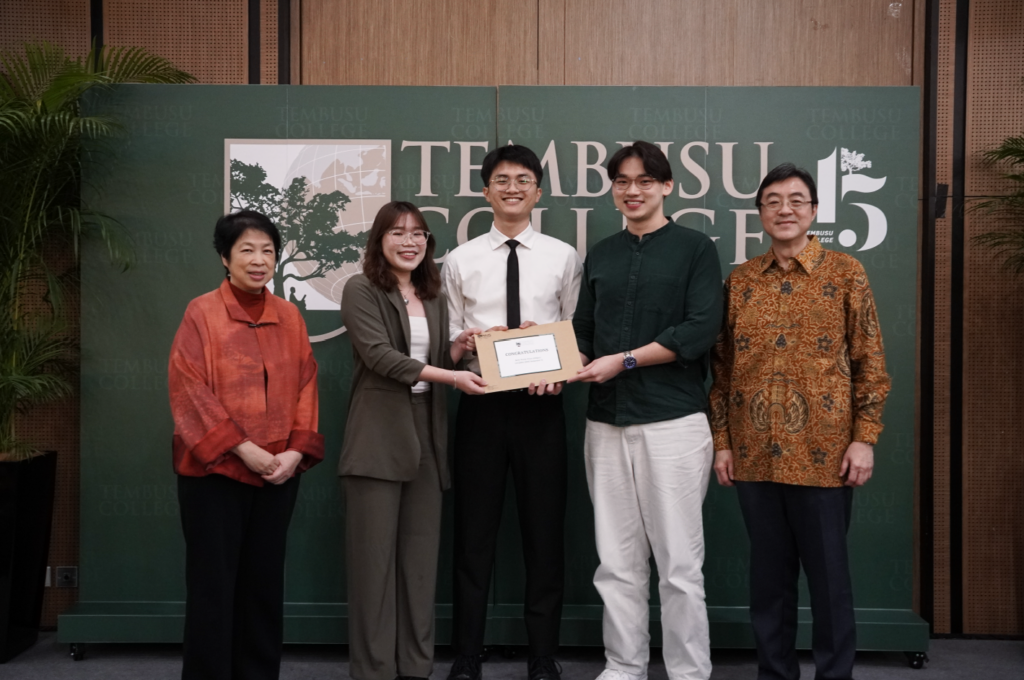
A work addressing public salt intake by the team of Huang Jiachang Brian, Leong Jin, Wesley, Lim Ying See Cheryl and Tran Ha Thu was awarded one of the Best Other Work prizes. The second Best Other Work prize was awarded to the team of Audrey Goh Wen Xuan, Lee Jie-Ren Benedict and Ng Yi Jiat for their negotiation case study.

Wesley Liang Jing a member of the group winning the Best Work Prize winner with Mrs Lim Hwee Hua and Associate Professor Ho
Winners of the Best Work Prize Audrey Goh, Benedict Lee and Ng Yi Jiat with Mrs Lim Hwee Hua and Associate Professor Ho

The College’s Year 3 and 4 student leaders were recognised through two prizes. The Best Year 3 Senior Learning Experience Project was awarded to Alan Selvin Anand, Lin Wenkang and Siew Ting Fung for their project analysing global AI futures. Faith Chng was awarded the Best Year 4 Senior Learning Experience Mentorship for her work on optimising feedback to Year 2 students.

Alan Anand, a member of the group winning the Best Year 3 Senior Learning Experience Project Prize with Mrs Lim Hwee Hua and Associate Professor Ho
Faith Chng, the winner of the Best Year 4 Senior Learning Experience Mentorship Prize with Mrs Lim Hwee Hua and Associate Professor Ho

Tembusu College continues to recognise and reward innovative, rigorous, creative and impactful work operating across disciplinary boundaries that is generated through College courses. We look forward to rewarding more such student work in the future!

Education Working Group (EWG) wins UK Impact Award

The Education Working Group (EWG) has been awarded the 2024 Student Partnership Impact Award by the Staff and Educational Development Association (SEDA), a UK-based professional association for staff and educational developers. Leong Jing, Wesley led the AY2023/24 EWG team of Foo Yong Kun, Bertrand Yang Junrong, Ganaapathy Balakumar, He Yuxin, Alyssa Lee Xin Yi, Lim Ying See, Cheryl, Ng Wan Xin and Esther-J Yoong, with the advice of Dr Connor Graham (Director of Studies). The EWG are a group of Tembusu students who work with the Director of Studies to improve the quality of learning and engagement in the College’s academic programme: the University Town College Programme (UTCP). The EWG was started by the first Director of Studies at Tembusu College, in collaboration with Tembusu students. The goal of the group has been to build a bridge between the student body and the College lecturers (fellows) through communication and in-person initiatives, creating additional enrichment and learning opportunities with a living-learning context. The EWG received the SEDA Award in recognition of their efforts to ‘inform and enrich’. They ‘informed’ through communication efforts to educate internal and external stakeholders concerning the learning and enrichment opportunities and choices that are available through the College’s academic curriculum. At the 2024 Open House, the EWG designed, curated and constructed a multi-room exhibition that included specially designed posters, multimedia project exhibits and installations and course guide software which was custom designed and built. Over 2000 people attended the College Open House and positive feedback was obtained from visitors and Tembusu College staff. They ‘enriched’ through extending the boundaries of the classroom, allowing students’ learning to occur through informal, non-compulsory, ‘out-of-classroom’ learning. Through ‘Fellowship’ sharing events, the EWG allowed for fellows to interact in an intimate setting with College students and share their own research interests. These initiatives not only enhanced the student academic experience but also built a strong learning community within the College.

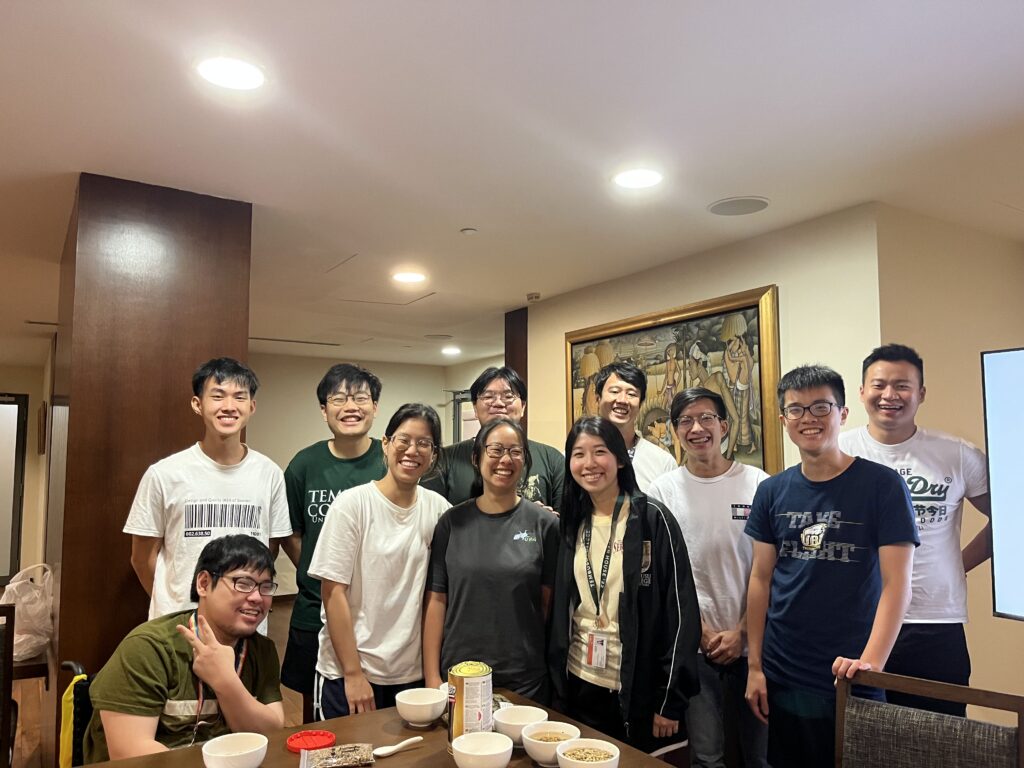
First row (from left to right) – Alyssa Lee Xin Yi (EWG Member), Dr Connor Graham (Director of Studies), Lim Ying See, Cheryl (EWG Member)

Second row (from left to right) – He Yuxin (EWG Member), Ganaapathy Balakumar (EWG Member), Ng Wan Xin (EWG Member), Foo Yong Kun (EWG Co-Lead for AY2024/25)

Wesley Leong (EWG lead for AY2023/24), at a Fellowship event led by Dr Ernest Tan (back row, fourth from left)

First row (from left to right) – Lee Chee Yong, Feng Xinyun (EWG Member), Joy See, Michelle Lim, Caleb Lee (EWG lead for AY2021/22)

Second row (from left to right) – Andre Foo, Wesley Leong (EWG lead for AY2023/24), Hubert Quek (EWG Member), Dr Ernest Tan, Gabriel Lee, Justin Tan

Bringing the Seminar Class to CBD Communities

In AY2023-24 Semester 1, Tembusu College relaunched one of its courses, Singapore as “Model” City?, with a focus on community engagement.

This was an enthusiastic and carefully considered implementation to meet the university Communities and Engagement General Education Curriculum Pillar. Working with their community partner, the Urban Redevelopment Authority of Singapore (URA), and co-funded by the URA Lively Places Fund, students from the course created twelve fun and interesting interventions at Urban Park and the covered walkway at the URA Centre in the city between 1st to 13th November 2023.

As part of their process, students worked in interdisciplinary groups and drew connections between social science, design studies and art practice methods, observing the site and interviewing the community in the Tanjong Pagar area, before developing ideas for more meaningful and engaging public spaces for this neighbourhood. In short, their “intervention projects” explored and evaluated specific ideas on improving public space in the city.

According to Dr Margaret Tan, who taught the course,

“to understand the site, students have to first engage the community to uncover their cares and concerns. Ultimately, the aim of the intervention project is to open up the possibility of space – give new voice to the community and enliven public space for the public.

Three examples of student interventions were:

  • Hidden in Plain Sight by Justin Ho, Sidney Lawther, Alicia Ng and Krista Yeo;
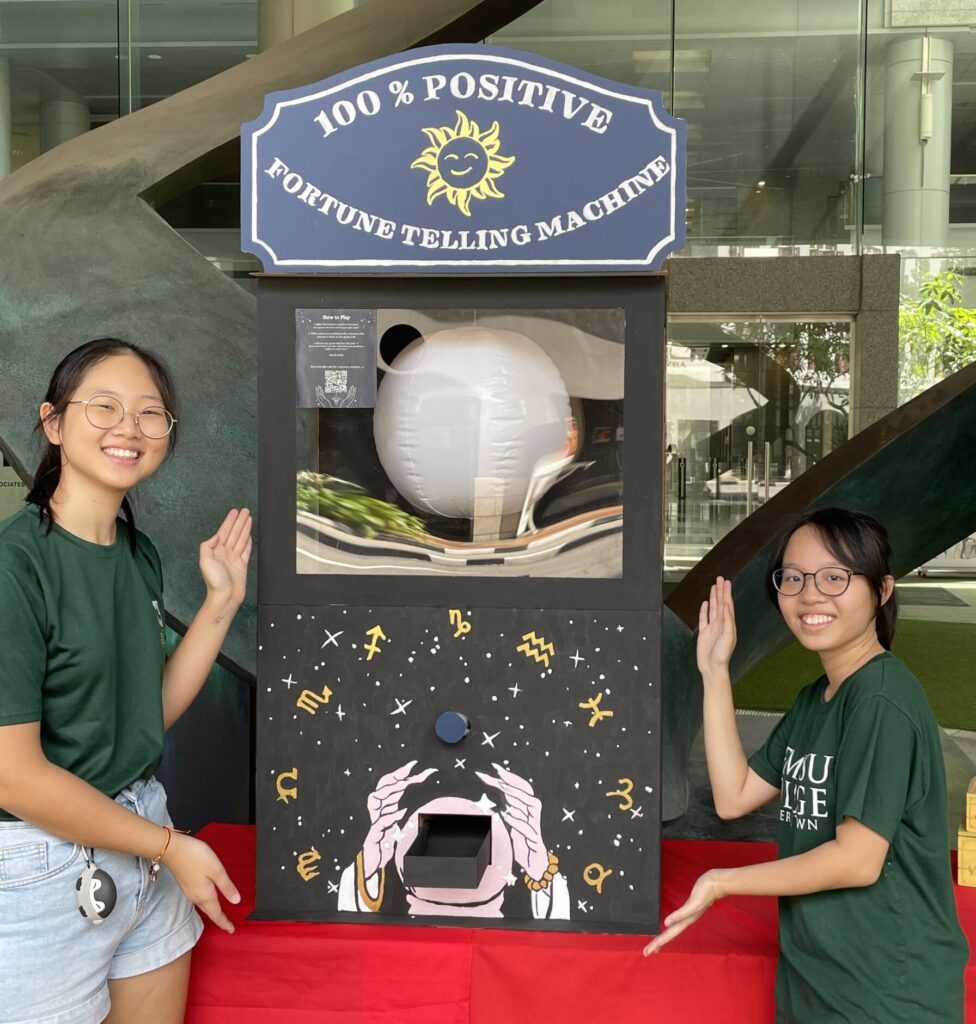
  • the Fortune-Telling Machine by Baey Shin Ee, John Chew, Sharon Gong, Amanda Lim and Michael Huang, and;
  • Musical Chairs by Celeste Ong, Davina Sitoh, Desmond Poh, Ivan Lee and Nick Chua.

All three interventions afforded a more creative and playful engagement with city space by the communities on site, predominantly office workers. They supported this community – stressed, pre-occupied with work, and in a perpetual state of rush – pausing, relaxing, and connecting.

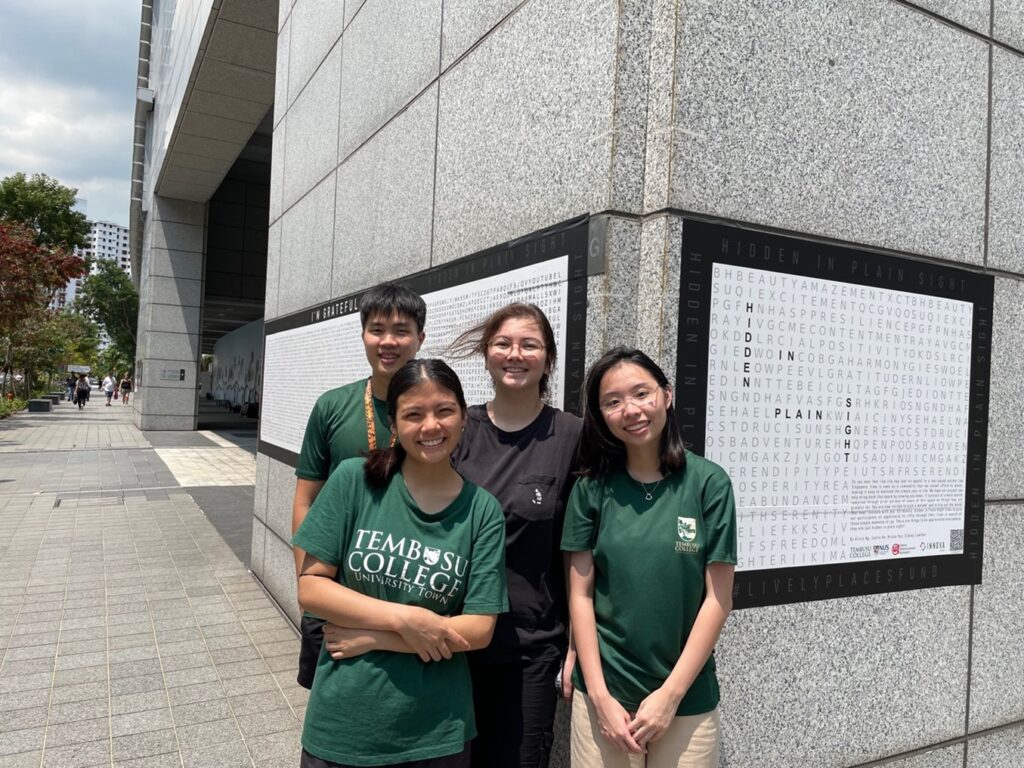
(From left to right) Justin Ho, Krista Yeo, Sidney Lawther and Alicia Ng with their work Hidden in Plain Sight.
Hidden in Plain Sight sought to slow the community down and encourage self-reflection by highlighting simple joys that are typically overlooked in our everyday life. The work took the form of a giant word-search consisting of 240 words expressing things to be grateful for, contributed by the community. The public was then invited to circle the words that most resonated with them, encouraging self-reflection and appreciation of everyday things taken for granted. The work was so successful that a version was installed in the grounds of Tembusu College.

Sharon Gong (left) and Amanda Lim (right) posing with the custom-built Fortune-Telling Machine.
The Fortune-Telling Machine, on the other hand, aimed to provide the community a sense of reprieve through play, spreading positivity, and generating connections. Through a Gachapon machine custom-built by the students, the public could collect and, in turn, write positive “fortunes” for each other. As pointed out by the team:

“after noting how stressed workers seemed during our site survey, we wanted our project to spread positivity and improve their mood, on top of giving them a fun break.”


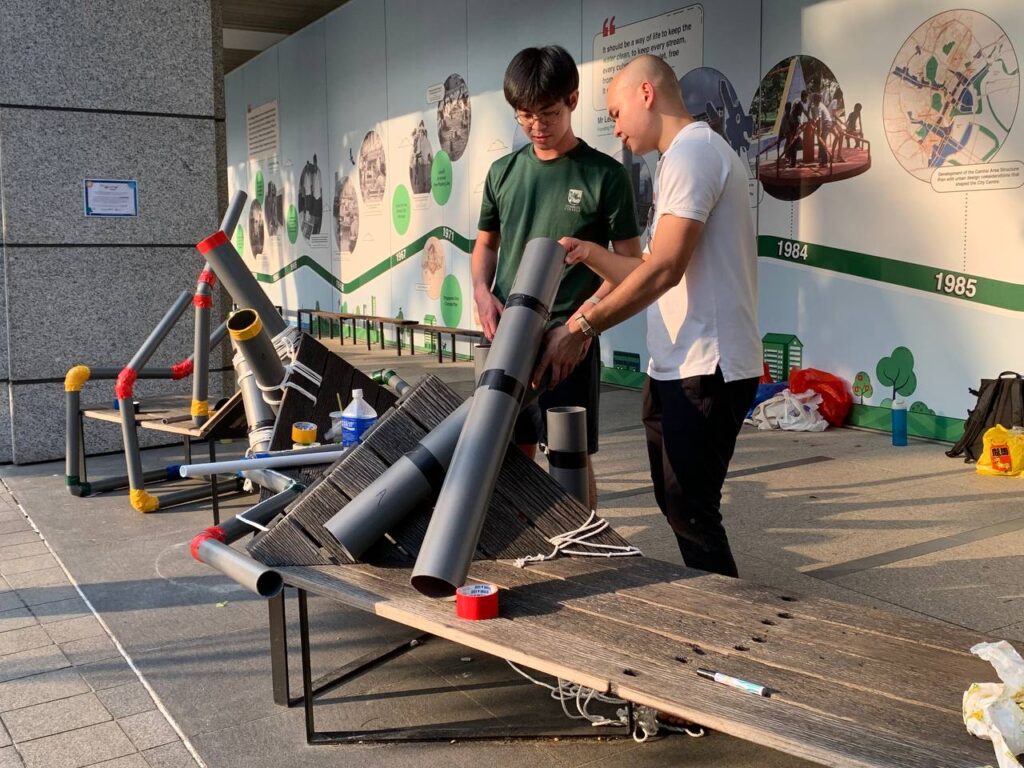
Ivan Lee (left) and Desmond Poh (right) installing Musical Chairs using everyday items.

Finally, with Musical Chairs, the work took the form of a site-specific musical instrument, built into an existing bench, and constructed out of everyday objects, such as PVC pipes, ropes, and tape. Integrated with sound sensors that lit up LED lights when played, the work encouraged play and creativity in the community, aiming to democratise musical performance.

Apart from the interventions, students also produced intervention project reports to capture their reflections on the project and their learning journey. These documents presented URA invaluable information on perceptions of public space and the effective design of community projects.

Commenting on the successful partnership, Mr Clement Lim, URA Director for Community Outreach and Programming, shared:

“It is a joy to work with the students. They dug deep and unearthed the varied layers of what makes great public spaces. They developed original and very engaging ideas and interesting prototypes that brought much delight to the community.”

Three Tembusu Educators Win University Level Awards


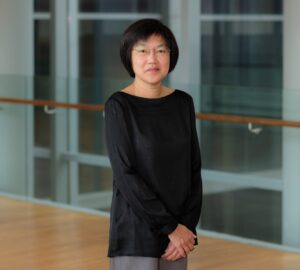
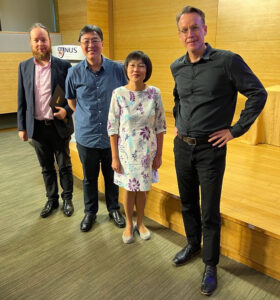
On 27th September, three Tembusu College Fellows were recognised for excellence in their teaching at the Outstanding Educator Award Public Lecture and University Teaching Award Ceremony: Associate Professor Lee Kooi Cheng (previous Deputy Master), Dr Eric Kerr (current Director of Residential Life) and Dr Connor Graham (current Director of Studies). They are pictured here at the Award Ceremony with Associate Professor Ho Chee Kong, Master of Tembusu College.

Outstanding Educator Award: Associate Professor Lee Kooi Cheng

As Director of the Centre for English Language Communication, Associate Professor Lee is known for driving the conceptualisation and designing of courses that integrate disciplinary knowledge with writing, thinking and communication competencies, through partnerships with university faculties and departments. Associate Professor Lee stresses the importance of relationships in her teaching and educational leadership, emphasising the role of university faculty members in developing connections with others that are more than transactional in educational contexts. Drawing on evidence from student feedback and inteviews she has shown how students value competency and a willingness to build relationships with them. She in particular emphasises the importance of cultivating supportive relationships between faculty and current students, among current students, and between faculty and alumni. A relationship-focused higher education means listening and spending time with others, being open to discussion and, being tolerant when mistakes are made.

“Kooi Cheng is an accomplished teacher of English language communication who emphasises partnership, collaboration, and relationship-building, which she credits as the key to sustained learning. Over the years, her teaching has made an enduring impact on her students, who have appreciated her subject expertise, as well as the high level of empathy she brings to the classroom.

Kooi Cheng has played a key role at NUS not only as a mentor and educator to many, but in her remarkable contributions to literacy programmes, curriculum development, and educational leadership. Her various leadership positions include Master of King Edward VII Hall, Deputy Director of the Centre of Development of Teaching and Learning, Deputy Master of Tembusu College, and, currently, Director of the Centre for English Language Communication and Master of Helix House.

In these roles, Kooi Cheng has continually championed out-of-classroom learning to afford students holistic growth and greater autonomy in their time at NUS. Her efforts have centred on conceptualising, implementing, and studying the impact of living-learning programmes.”

Outstanding Educator Award Citation

Annual Teaching Excellence Award: 
Dr Eric Kerr

“Dr Kerr believes that the challenges students face today require an interdisciplinary ethos, core competencies in soft skills, and digital literacy, culture, and ethics. In his teaching, he empowers students to cross disciplines confidently, with the rigour, clarity, and versatility of thought to take on new skills, methods, concepts, tools, and insights from other approaches. His strengths lie in his passion for knowledge and learning, which he models for his students, and the patient and methodical process that he brings to thinking through complex issues.”

Residential College Teaching Excellence Award Citation

Dr Eric Kerr teaches interdisciplinarity as an ethos and as a way of thinking, through formal seminars in a residential college and in out-of-classroom settings. He aims to empower students to cross disciplinary boundaries with confidence by emphasizing—and supporting the development of—clarity of expression, versatility of thought, and adaptability to new skills, concepts, and insights. He uses social media platforms to engage students in course content, respond constructively to feedback from peers, and find and analyze connections to other relevant media. He makes use of recent research in learning environments to design online and in-person environments where students can learn to articulate their ideas as individuals and working collaboratively.

Annual Teaching Award:
Dr Connor Graham

“Dr Graham’s teaching statement stands out for his ongoing deep reflection on how teaching and research interact to promote student learning, both in his individual and team teaching, as well as in his educational leadership at Tembusu College. In his most recent intervention in instructional design, assessment and feedback, he tasks students with an impressively broad array of endeavours, including independent inquiry, experimental design, college-wide events, and reports which may have a wide range of styles including quantitative elements and national policy recommendations. Common themes in student feedback are “insightful feedback”, “support”, “helpful consultations,” and “care for student learning.”

Residential College Teaching Excellence Award Citation

Dr Connor Graham relates teaching with research in a residential context through small-scale research activities and connecting students to research culture, developing a sense of important research values in the process. His use of the Oxford tutorial format where students present their work to one another supports student learning through projects that simulate research. His approach resulted in improved student performance in assessments requiring analysis and synthesis and supported students developing positive perceptions of feedback and consultations received. His use of the public spaces in the College supports wider-scale community engagement with students’ work.

By Professor Tommy Koh: The Earth Summit at 30: A Stocktake

The world owes Sweden a big debt of gratitude. It was the first country to convince the United Nations of the importance of the environment. In 1972, the UN held its first conference on the environment in Stockholm. The Anti-Pollution Unit in the Prime Minister’s office in Singapore was upgraded to a new Ministry of the Environment because of the conference in Stockholm.

In 1990, the UN decided to convene a second conference on the environment in 1992, 20 years after Stockholm. Rio de Janeiro, in Brazil, would be the venue for the conference. Unlike Stockholm, the second conference, popularly known as the Earth Summit, would have a double focus: environment and development.
The UN established a committee to prepare for the Earth Summit. My then boss at the Ministry of Foreign Affairs, Kishore Mahbubani, and our then Ambassador to the UN, Chan Heng Chee, persuaded me to put my name forward as a candidate to chair the preparatory committee. I was duly elected as no one else wanted to suffer for the next two years.
At the summit, in June 1992, the host country, Brazil, decided not to nominate one of its citizens to chair the main committee of the conference. Instead, Brazil requested me to do so. All the negotiations at the summit took place in that committee. The summit began on June 3 and concluded on June 14, 1992.
I will never forget the last day of the Main Committee’s work. The final meeting began at 8pm and ended at 6am the next day. I was in the chair for 10 hours, with only 1 toilet break! Miraculously, we managed to achieve consensus on all the matters before the committee.

Earth Summit’s Achievements
The Earth Summit was very successful. Two landmark environmental treaties were opened for signature in Rio – the UN Framework Convention on Climate Change (UNFCCC) and the UN Convention on Biological Diversity (CBD). The summit adopted the Rio Declaration of Principles on Environment and Development. The summit also gave birth to two new treaties: one to combat desertification and the other was related to highly migratory fish stocks and straddling fish stocks.
Thirty years have passed since the Earth Summit. It is a good time to evaluate the results of the summit. Where have we succeeded? What are the failures? What lessons can we learn from the past 30 years?
Until 1992, there was a war between the developing countries which gave priority to development and the developed countries which gave priority to the environment. In Rio, we agreed to give equal emphasis to the environment and development. We borrowed the concept of sustainable development from the 1987 Brundtland Commission’s report. Since then, the term, “sustainability” has been universally accepted.
There is also now a body of international law called international environmental law. At the final session of the Preparatory Committee, I chaired the negotiations on the Rio Declaration and drafted the declaration which contains 27 principles. Some of these principles have been universally accepted and have acquired the status of law. These principles include the precautionary principle, the polluter pay principle, the requirement to conduct an environmental impact assessment, and the obligation to inform and consult your neighbouring state of any plan which could adversely affect its environment. The NUS Law School has a very good centre on environmental law.

CBD and UNFCCC – Success or failure?
In the natural world, all things are connected. For example, our agricultural industry and our horticultural industry depend on the honey bee, as a pollinator. The decline in the population of the honey bee is therefore of concern. The purpose of the CBD is to stop or at least, to slow down the extinction of the species.
Has the CBD been successful? The frank answer is that it has been a failure. We are losing species of flora and fauna at an unprecedented rate. Things are so bad that some scientists are calling this the Sixth Mass Extinction.
The good news is that Singapore has been swimming against the tide.
We took the lead to galvanise the support of cities to conserve biological diversity. In recognition of our leadership role, the UN has named the City Biodiversity Index, the Singapore Index on Cities’ Biodiversity. Our message to the world is that cities can co-exist with nature.
Singapore has also made an important transition from a city in a garden to a city in nature. The hunting of birds and animals is strictly forbidden. Animals such as the hornbill bird, otters, wild boar and jungle fowl, which had disappeared, have returned and are flourishing.
The UNFCC is the mother treaty on climate change. It has 197 parties. The parties meet annually. The annual meeting is called the Conference of Parties or COP, in short. The meeting in Glasgow in 2021 was COP 26. COP 27 will be held in Sharm El-Sheikh, in Egypt, in November.
The reports of the Intergovernmental Panel on Climate Change or IPCC, have established beyond any reasonable doubt that the climate is changing, and the change has been caused by man’s activities. The challenge is to bring down our total emission of carbon dioxide and other greenhouse gases before it becomes impossible to limit the rise in temperature to 1.5 deg C.
At COP 21 in Paris in 2015, the French succeeded in producing an agreement against all odds. The agreement does not exempt the developing countries. All countries are called upon to make a sacrifice for the common good. Every country is asked to make a nationally determined contribution. However, according to the UNFCCC Secretariat, the current nationally determined contributions would exceed the goal of 1.5 deg C and be close to 3 deg C.

Not too late
Experts do not agree on whether the goal of 1.5 deg C is still achievable. The pessimists believe that the battle is lost. The optimists believe that it is still achievable if all of us raise our ambitions, to decarbonise our economy, our industry, our business, our transport system, our power industry, our shipping and aviation industries and the way we live.
The Singapore government is taking climate change very seriously. It sees climate change as a challenge but also as an opportunity. Sustainability and the green economy will create many new businesses and jobs.
The Singapore government has produced an ambitious Green Plan. It has also pledged to achieve net zero by or around 2050.
My own view is that the battle to limit the rise of temperature to 1.5 deg C has not been lost. If the world responds to the commitments made at COP 26 in Glasgow and takes more ambitious steps to transition to a low carbon economy and lifestyle, the battle can still be won. The window is, however, closing rapidly.
The conclusion of this stocktake is a mixed one. The ideological battle between the developed and developing countries has been resolved. The magic word is sustainability. On biodiversity, we are faced with a possible Sixth Mass Extinction. On climate change, the battle to limit the rise of global temperature to below 1.5 deg C has not been lost but the window is rapidly closing. I urge all Singaporeans to support the government’s Green Plan.