Professor Tommy Koh: Why I think the EU will survive?

On June 23, the British electorate, once again, confounded the pundits and bookmakers by voting, 51.9 per cent against 48.1 per cent, to leave the European Union (EU).

The British had joined the EU in 1973. In a referendum in 1975, the British electorate had voted overwhelmingly to remain in the EU. In the aftermath of Brexit – or British exit from the EU – a new wave of euroscepticism has seized Europe.

The leader of the French National Party, Ms Marine Le Pen, has demanded a referendum in France on its EU membership. Right-wing politicians in the Netherlands, Hungary, Italy, Denmark and Austria have expressed similar sentiments.

Euroscepticism has some important supporters in Singapore. In May 2012, the former Chancellor of Germany Helmut Schmidt met Singapore’s founding Prime Minister Lee Kuan Yew.

The occasion was an interview with German newspaper Die Zeit. When the Die Zeit journalist asked Mr Lee whether he regarded the EU as an inspiration for other regions of the world, Mr Lee replied: “I don’t see the European Union as an inspiration for the world. I see it as an enterprise that was misconceived by too fast an enlargement and likely to fail.”

Both Mr Lee and Mr Schmidt have since passed on. Their exchange was republished on The Straits Times’ website this week.

Echoing Mr Lee’s sentiments, my colleague, Mr Bilahari Kausikan, a former permanent secretary of the Foreign Affairs Ministry, has recently said in his IPS-Nathan Lectures that: “Any political project undertaken in defiance of human nature is bound to eventually fail. In this respect, the EU stands as a prime example of the futility and danger of letting mental frameworks, however appealing or noble, outrun reality.”

MY CONTRARIAN VIEW

Although I have great respect for Mr Lee and Mr Kausikan, I would respectfully disagree with them. I believe that the EU will survive because it is a political and economic success. I also believe that the EU will grow stronger without the UK.

I hope, however, that the leaders of the EU will consider Brexit as a wake-up call to undertake bold reform and to bring it closer to the people of the Union.

Many critics of the EU have forgotten or do not know history. The nations of Europe had been at war with one another for centuries. After two devastating world wars, the leaders of post-World War II Europe decided to put an end to half a century of conflict and to plant the seeds of peace.

Six European countries, namely, France, Germany, Italy, the Netherlands, Belgium and Luxembourg, took the lead in 1952 to form the European Coal and Steel Community. In 1958, they signed the Treaty of Rome. As mutual trust and confidence grew, they advanced incrementally to a customs union, a single market and, finally, the EU.

The greatest achievement of the EU in the past 60 years is that it has kept the peace in Europe. During this long period, no two members of the EU have gone to war with each other. People forget that the most important objective of the European integration project is to institutionalise peace and to prevent war. This is why the Nobel Peace Prize was conferred on the EU in 2012.

European economic integration is also a success story. After World War II, much of Europe lay in ruins. The American- led Marshall Plan helped Europe to recover economically. However, most of the credit for the European post-war recovery must be given to Europeans themselves. The hard work, sacrifice and determination of the post-war generation of Europeans produced miraculous results. Another reason for their success was the political will to cooperate and the willingness to pool their sovereignties.

Today, in spite of the slow recovery from the global financial crisis of 2008, Europe is an oasis of prosperity. The people of Europe enjoy a very high standard of living.

The EU is the world’s largest economy and largest investor. It accounts for 28 per cent of the world’s gross domestic product (GDP) and 21 per cent of world trade. According to the World Economic Forum’s Global Competitiveness Index, some of the world’s most competitive economies are EU members.

Even without the UK, the EU would still be the largest economy in the world. The EU ex UK would still account for 24.7 per cent of world GDP, and 14.2 per cent of world trade.

A WAKE-UP CALL

The leaders of the EU should however regard Brexit as a wake-up call. They should be concerned that public opinion throughout Europe has turned against the EU and against the European Commission in Brussels.

What should be done? First, I think the European Commission and the European Parliament should retreat from their tendency to over-regulate and to impose unnecessary and unreasonable restrictions on the private sector and on the consumers. For example, why should they interfere in European consumers’ choices of chocolates and cheeses?

Second, the EU has failed to produce jobs for their young people. In some of the EU countries, youth unemployment is in double digits. Brussels should improve the business environment, liberalise labour markets, encourage investment and skill development and incentivise growth and job creation. The objective should be to make EU economies boom again.

Third, the leaders of the EU should ensure that the fruits of globalisation and integration are enjoyed by ordinary Europeans and not just by the talented, highly- educated urban elite. This divide was clearly seen in the fact that the electorate in London voted to remain whereas the rest of England voted to leave.

A STRONGER EU WITHOUT UK

I believe that an EU without the UK can be stronger.

 Why do I hold this view?

I think that the British are not, at heart, Europeans. It is a fact that the two major political parties, Conservative and Labour, are internally divided about their place in Europe. This has always been the case. I recall that when Winston Churchill spoke about the United States of Europe, he excluded the UK from his proposal. It is better for the EU not to have a member which is ambivalent and conflicted and which wants to be half in, half out.

Let the UK seek a new future outside the EU. Let the EU of 27 renew its faith in itself, reinvigorate its economy, narrow the gap between winners and losers and reduce the bureaucracy of Brussels.

• The author was the founding executive director of the Asia-Europe Foundation.
Professor Tommy Koh & Professor S Jayakumar: Sovereignty, Jurisdiction and International Law

In 2014, Singapore enacted the Transboundary Haze Pollution Act (“the Act”) which came into force on 25 September 2014. Essentially, the Act makes it an offence for any entity to engage in conduct, or to condone conduct, causing or contributing to haze pollution in Singapore. Apart from criminal liability, the Act also creates statutory duties and civil liabilities.

The Act is unusual, but not unprecedented, in targeting conduct which occurs outside Singapore and which causes or contributes to haze pollution in Singapore. Minister Vivian Balakrishnan explained in Parliament in Aug 2014 that the Act “is not intended to replace the laws and enforcement actions of other countries, but it is to complement the efforts of other countries to hold companies to account”. He added that “we, in Singapore, cannot simply wait and wishfully hope that the problem will be resolved on its own. The Singapore Government would want to send a strong signal that we will not tolerate the actions of errant companies that harm our environment and put at risk the health of our citizens.”

The Issue

There were mixed reactions to this law in Indonesia. Some parties expressed support for Singapore’s law.  Others, including some Indonesian Ministers, criticised the law on the ground that it was a violation of Indonesia’s sovereignty. A typical comment was “as it happened in Indonesia, it is part of Indonesia’s jurisdiction. If Singapore could easily try Indonesian citizens, it could be a violation of Indonesia’s sovereignty”. The Singapore Government responded that the law was consistent with international law.  It was drafted with the advice of international law experts and did not violate the sovereignty of any country.

Extra-Territoriality and International Law

The issue is whether it is permissible for a country to enact legislation which would have extra-territorial reach. The answer to this question turns on a proper understanding of the established principles of international law.

The International Law and Practice

We state at the outset that the general principle in international law is that States exercise jurisdiction on a territorial basis, namely, over persons, property and acts within its territory. However, there are exceptions to this principle.

Universal Jurisdiction

One exception is a group of crimes which attract universal jurisdiction.  Examples are piracy, genocide, torture, slavery, crimes against humanity and serious war crimes.  For example, under this exception, it is permissible for an Indonesian or Singapore court to try persons accused of committing piracy, such as Somali pirates, even if the acts of piracy occurred outside their respective maritime jurisdictions.

Objective Territoriality Principle

Another exception consists of crimes committed outside a state’s territory but which have harmful effects on the state concerned. There are many examples including bribery and corruption, terrorism, cybercrimes and cyber attacks and pollution.  Such an exercise of extra-territorial jurisdiction can be justified under several principles of international law, notably the “objective territoriality principle”. 

To argue that States cannot exercise such jurisdiction would mean that States are powerless to deal with a variety of situations where individuals, groups and corporations can, with impunity, carry out acts outside their territories and which have harmful effects and consequences on them.

International Law Commission

Indeed the United Nations International Law Commission 2006 Report (“ILC”) stated that “today, the exercise of extra-territorial jurisdiction by a State with respect to persons, property or acts outside its territory has become an increasingly common phenomenon …” The ILC explained that this phenomenon is due largely to increased movements of persons beyond national borders, growing number of MNCs, globalising of the world economy, increased trans-national criminal activities, increased illegal migration, increased use of internet for legal or illegal purposes.

Interdependent World

To that we will add the growing interdependence between nations and the undeniable fact we live in a fragile environmental ecosystem where harmful polluting activities in one country can cause serious harm not only to its own people but to the people of other countries.

The nature of transboundary offences necessarily means that multiple states do have a legitimate interest in bringing the offenders to justice. It cannot therefore be said that any of these states would be acting in contravention of the offending state’s sovereignty by enforcing its own laws.  Such a violation of sovereignty would arise in some cases, such as for example, if a State were to send its fire fighters into the territory of another State, without its consent, to put out the fire.

Clearly, Singapore’s legislation does not seek to do this.  The law is enforced only when the party accused of causing the harmful act enters Singapore and comes within Singapore’s jurisdiction.

Indonesia’s Extra-Territorial Laws

We should add that Indonesia itself has enacted laws which have extra-territorial reach such as its laws on corruption and on electronic transactions.

Conclusion

In a previous contribution to the Straits Times (“The haze, international law and global cooperation”, Oct 6, 2015) we discussed the principle of international law that a state has the sovereign right to exploit its natural resources, including its forests.  However, that sovereign right is limited by a second principle, namely that a state has the responsibility to ensure that activities within its jurisdiction or control do not cause damage to the environment of other states. We explained that there is a clear rule in international law that acts committed in one territory which causes environmental harm to the territory of another state constitute a legal wrong.  It is therefore consistent with international law for Singapore to hold accountable individuals and companies which have caused the fires in Indonesia or elsewhere for that matter, and which have, in turn, caused the haze pollution in Singapore.

Singapore and Indonesia are close friends and partners.  We are two of the founding members of ASEAN.  Under Article 2, paragraph 2 of the ASEAN Charter, ASEAN and its member states are committed to adhering to the rule of law and upholding international law.

Indonesia insists that the haze issue be resolved under the ASEAN Agreement on Transboundary Haze Pollution. We agree that we should use the ASEAN Agreement as well as other bilateral, regional and international agreements, to solve this problem.  However, such agreements cannot curtail Singapore’s right to take actions which are in compliance with international law.

Singapore’s Transboundary Haze Pollution Act is consistent with International Law.  It does not violate Indonesia’s sovereignty.  On the contrary Indonesia should welcome Singapore’s law which complements Indonesia’s efforts to hold accountable those errant companies and individuals which have acted in blatant disregard of the serious harm they have caused to the people of  Indonesia as well as those of its neighbours.

*** Professor Jayakumar is Chairman of the International Advisory Panel and Professor Koh is Chairman of the Governing Board of the NUS Centre for International Law.

Fellow’s Tea with Mr William Chua

Click to enlarge

Fellow’s Tea with Mr William Chua
Host: tFreedom

Well versed in art and painting at a tender age, William Chua has never imagined himself to be a professional photographer. But it was these skills of his that helped him progress rapidly in the World of Photography. Graduating with a degree in Banking and Finance, he spent 6 years in the corporate world before he decided to pursue his passion for travel and photography, and has not looked back since. His works are predominantly weddings, portraits, travel and wildlife photography. Whichever genre of photography he does, he brings with him the same passion and professionalism. It is this dedication of this that has won him many awards from WPPI (US), IPA (New York), MPA (London), PX3 (Paris), PDN, and the Black and White Spider Awards (US)

Other notable awards include the following:

–          top 5 International Wedding Photographer in AGWPJA (US) in 2010

–          first place in the Rangefinder Wedding contest (US) for both 2013 and 2014

–          MPA 2011 Far East Convention Grand Winner

–          PX3 Wildlife Category Gold Award winner in 2014

–          3rd placed winner for Singapore in the Sony World Awards in 2015

–          consistently been placed with the Natgeo Editor’s favourites through the years

His works have been published in various publications (including SilverKris Magazine, Asian Geographic, Geographic Magazine (UK), Lux Magazine etc) And they are also being represented by Modern Art Etc (Los Angeles, California)  for sale as Fine Art Prints. Having led Photography workshops to Morocco, Mongolia, Scandinavia, Iceland, Bhutan and Africa, and given numerous talks on photography, he hopes to be able to help photo enthusiast take their photography to the next level.

http://www.williamchua.com/blog/

https://www.instagram.com/william_chua_photography/

6th Sep 2016, 7pm – 8.30pm
Master’s Common Lounge, Tembusu College

Tembusu College/STEER Komodo Expedition

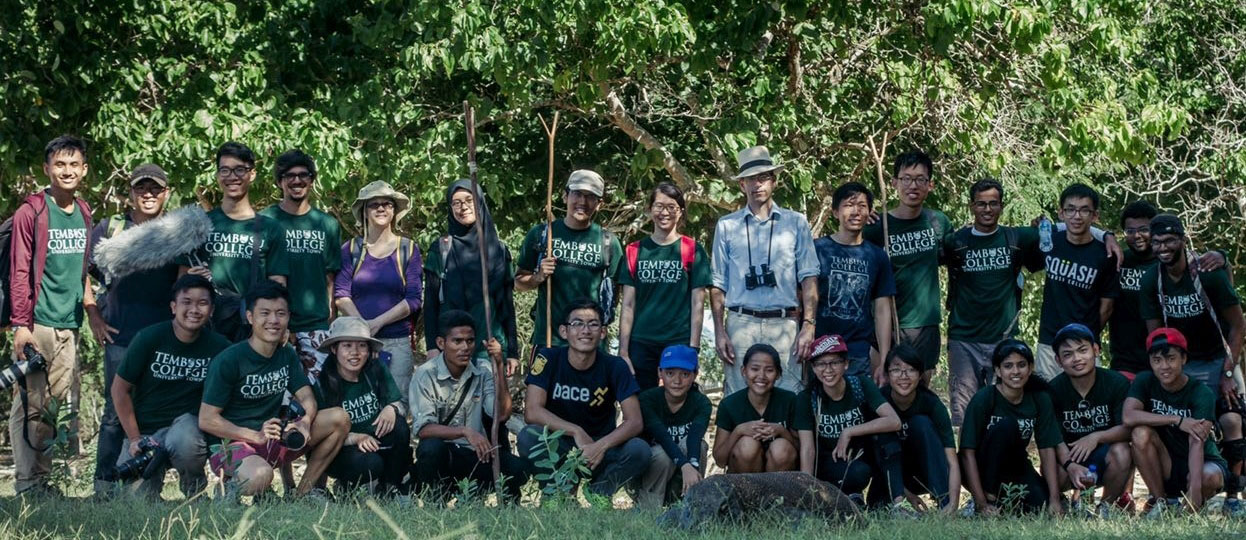
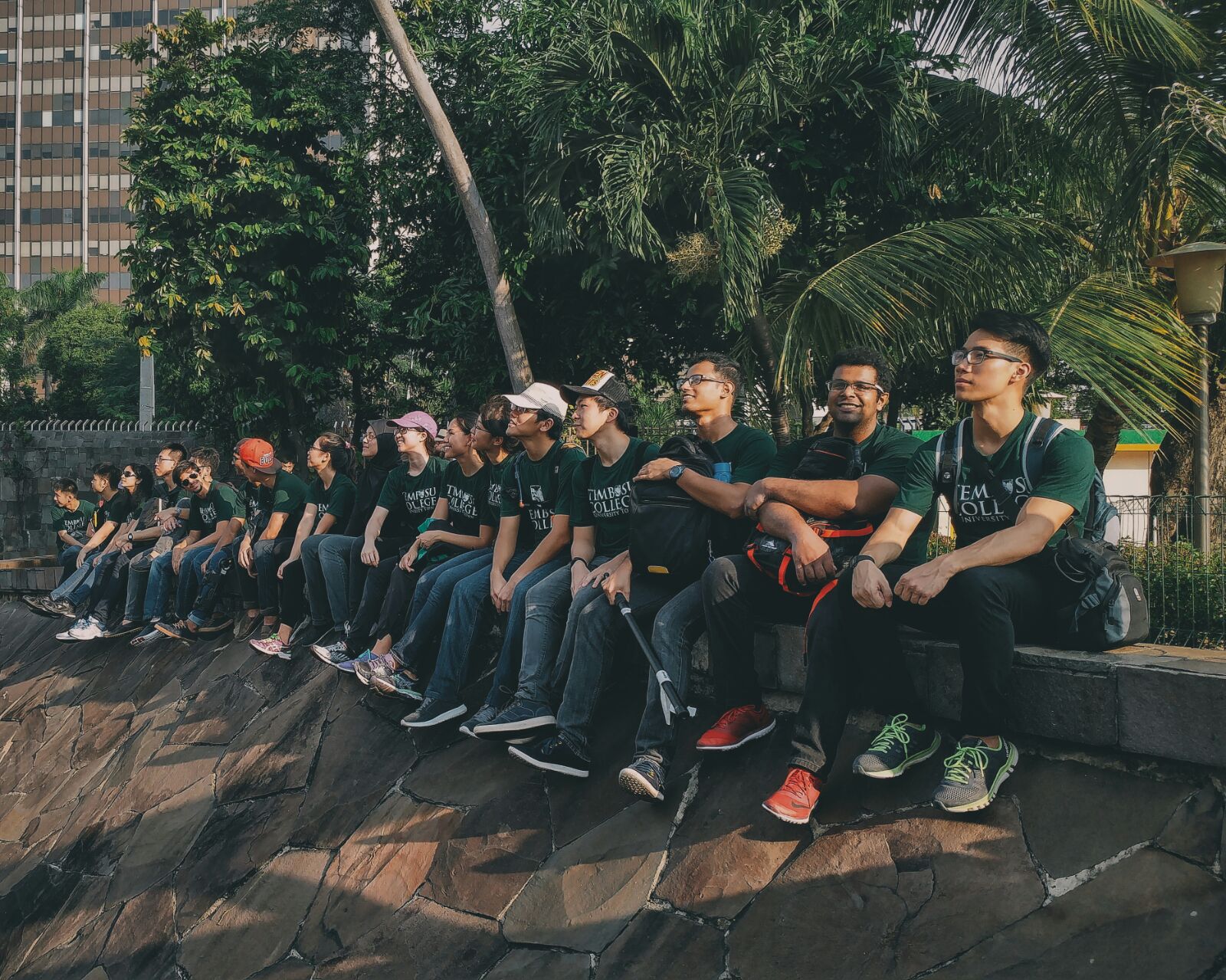
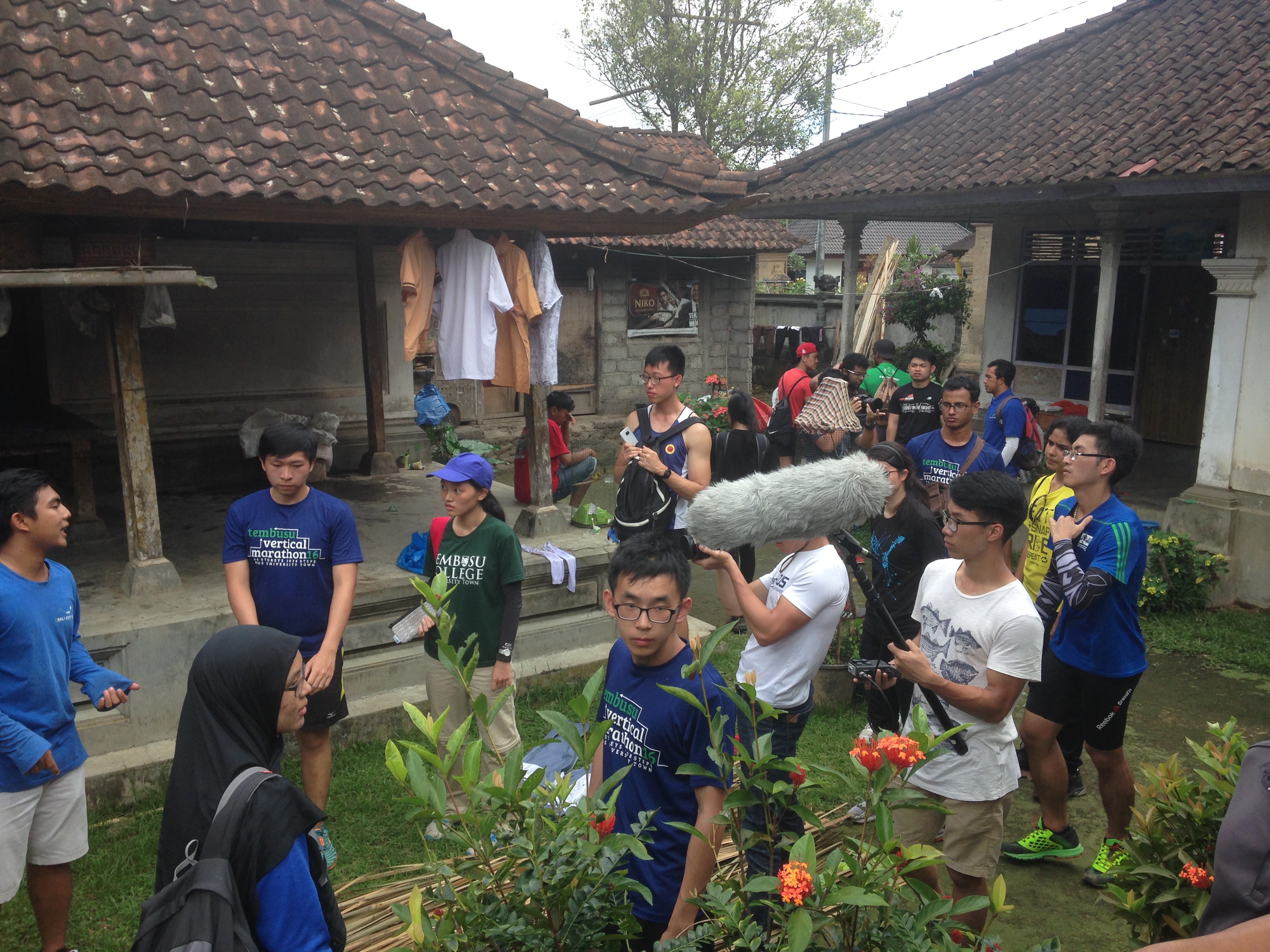
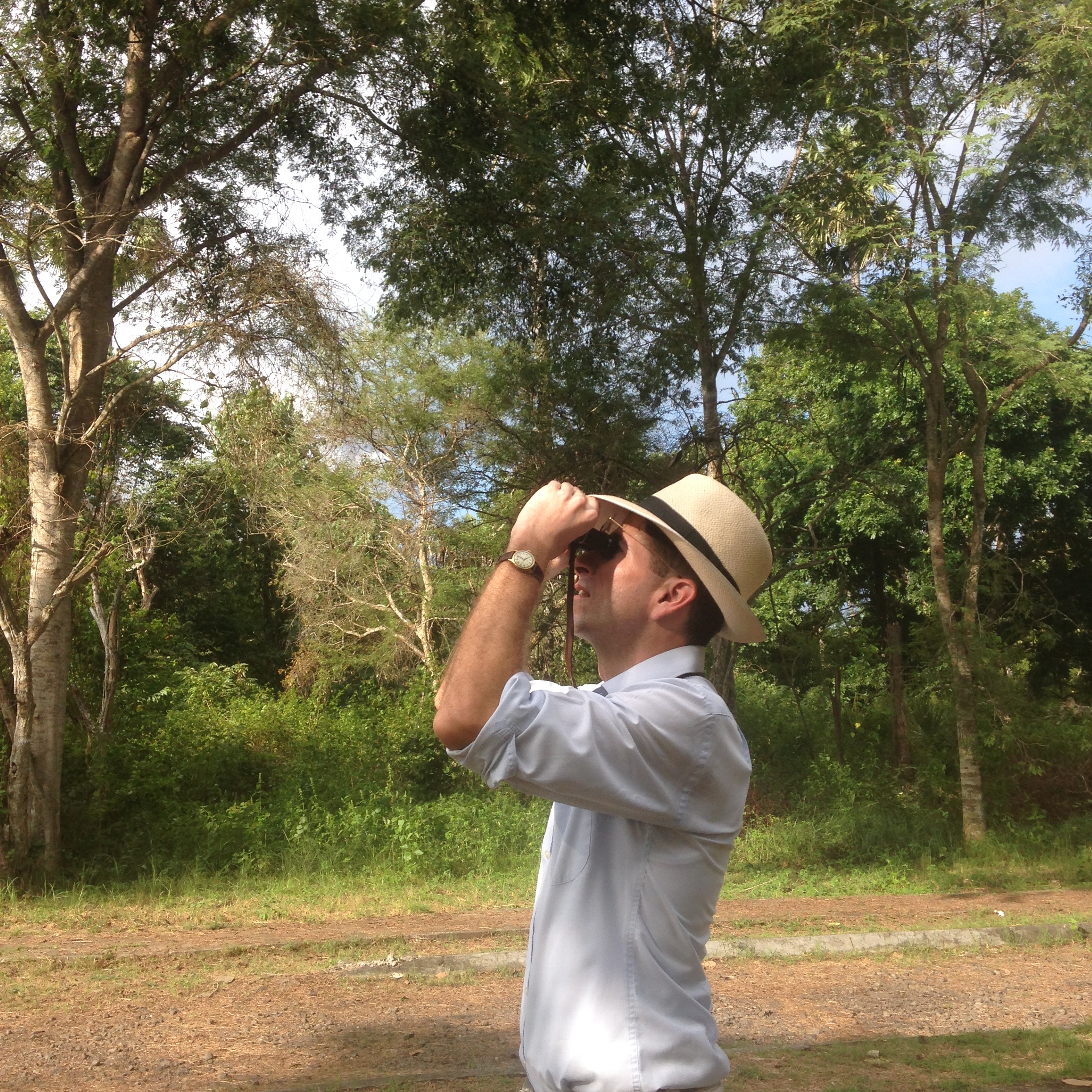
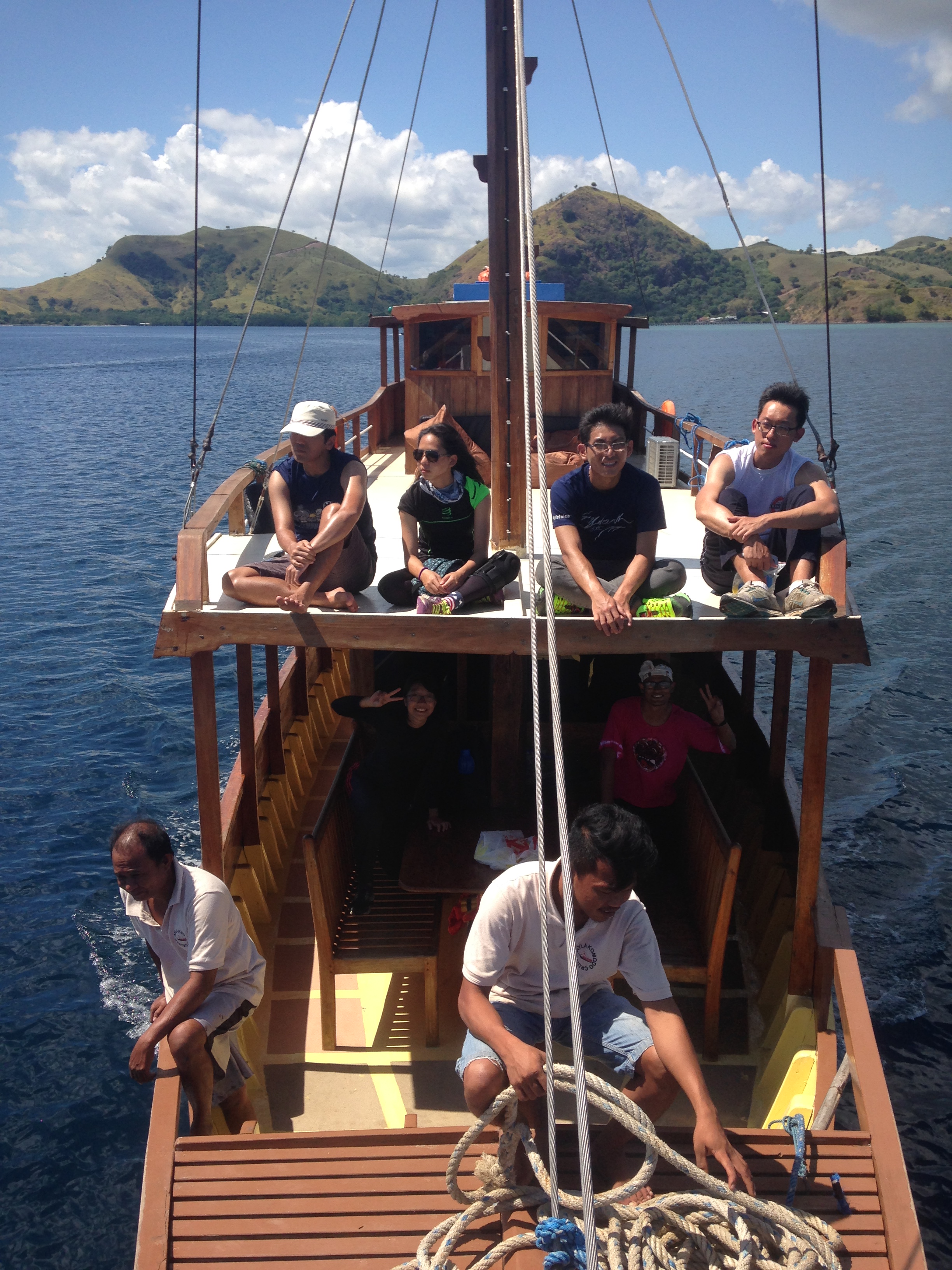
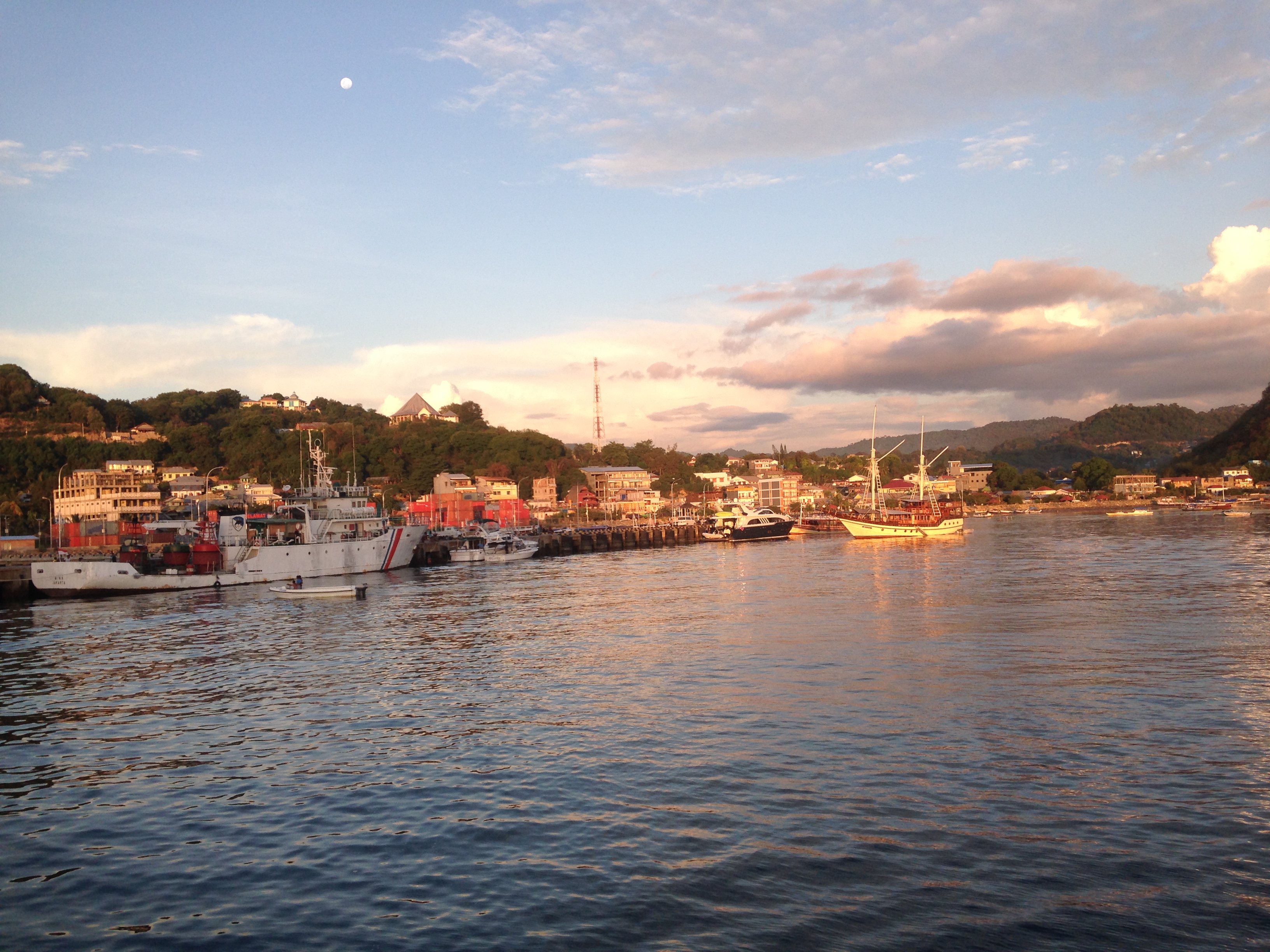
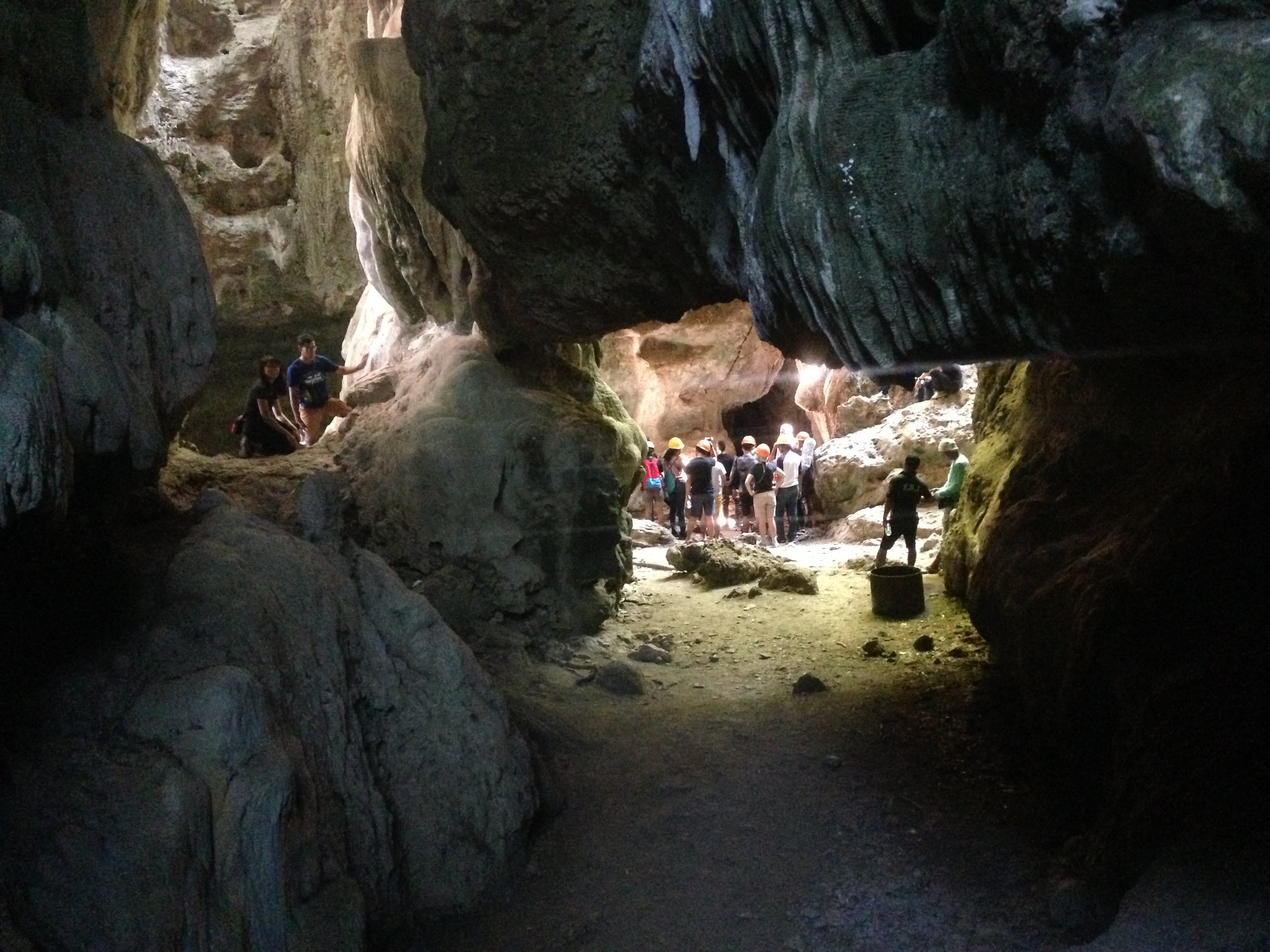
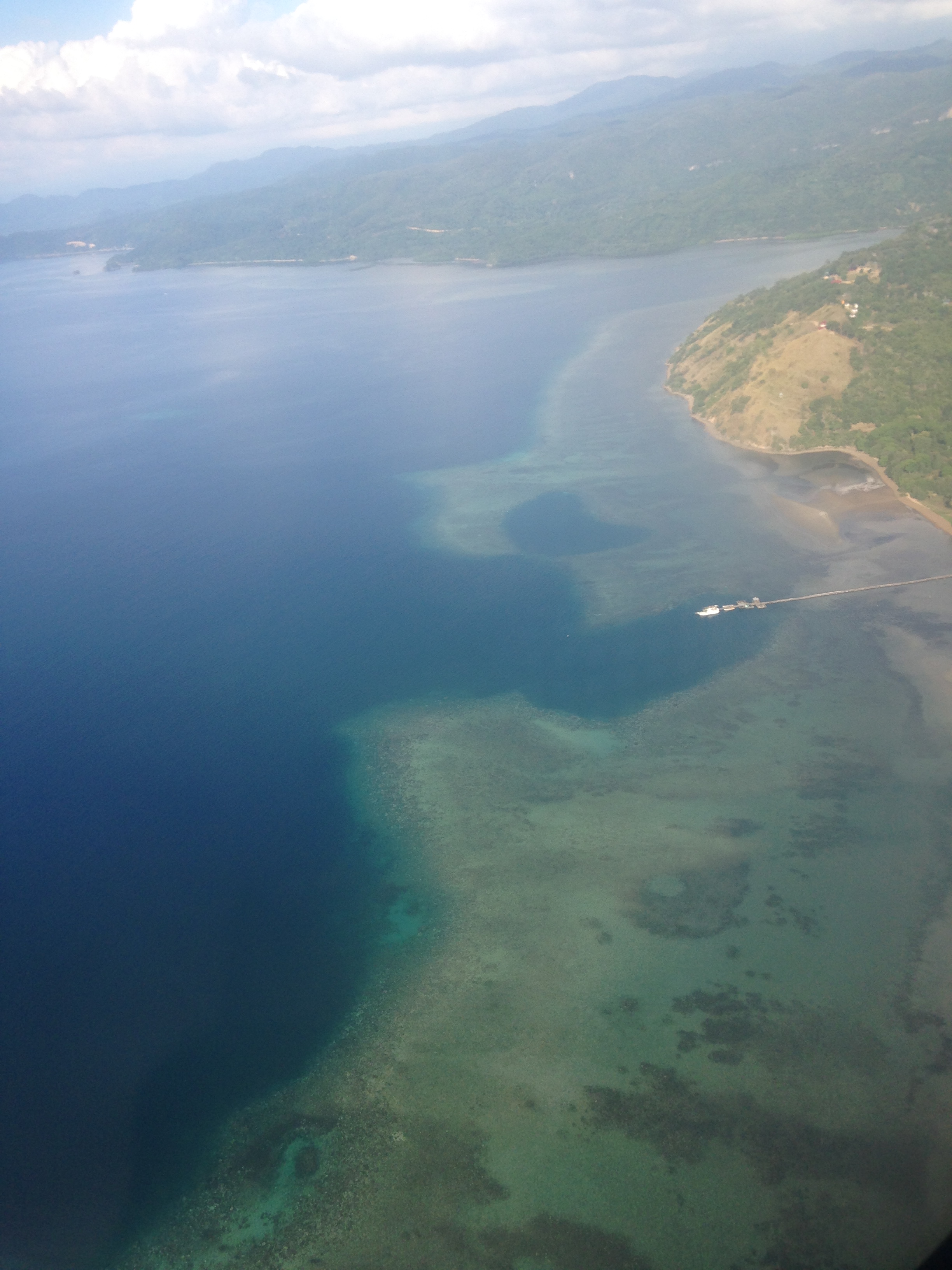
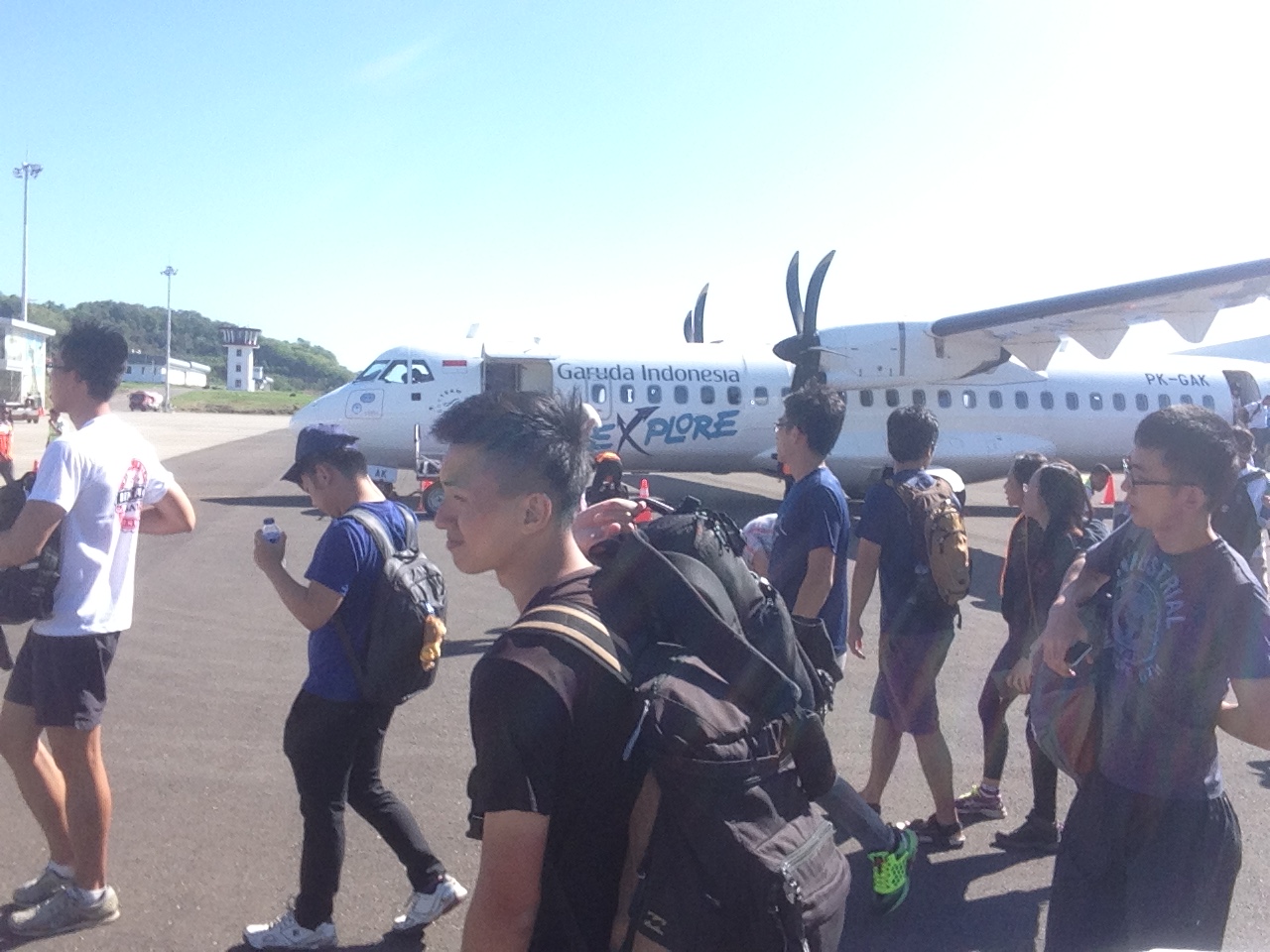
From 9-20 May a group of 24 talented Tembusu College students, led by historian Dr John van Wyhe, conducted an extraordinary expedition through Indonesia to study the state of nature conservation and the famous Komodo dragon.

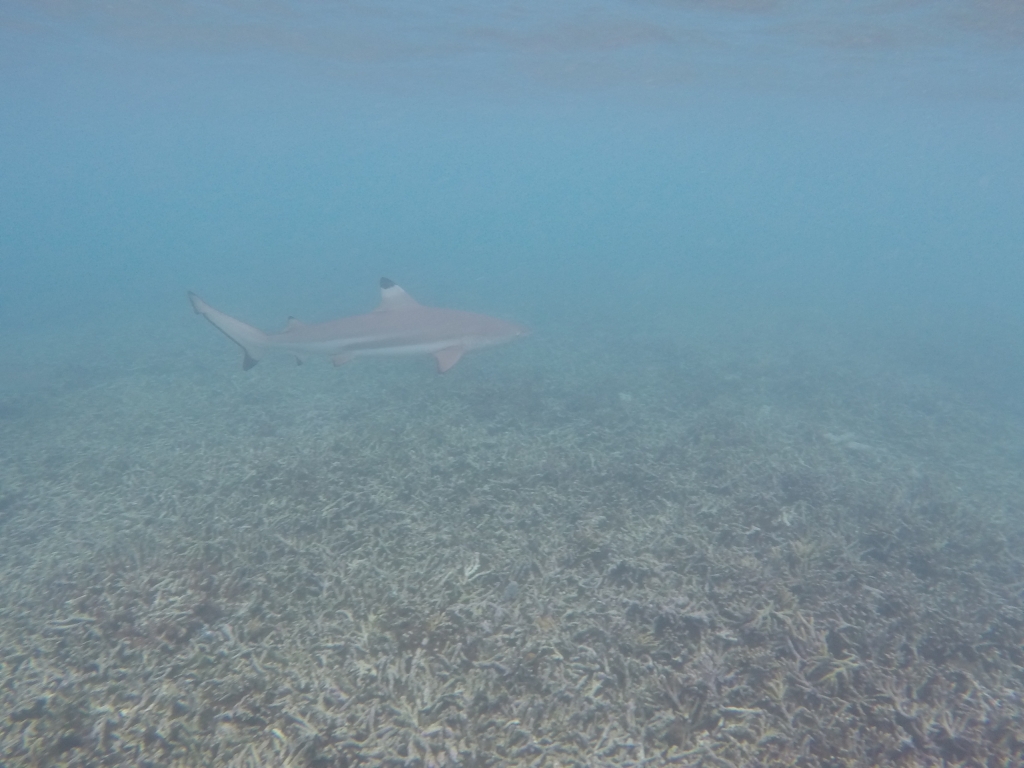
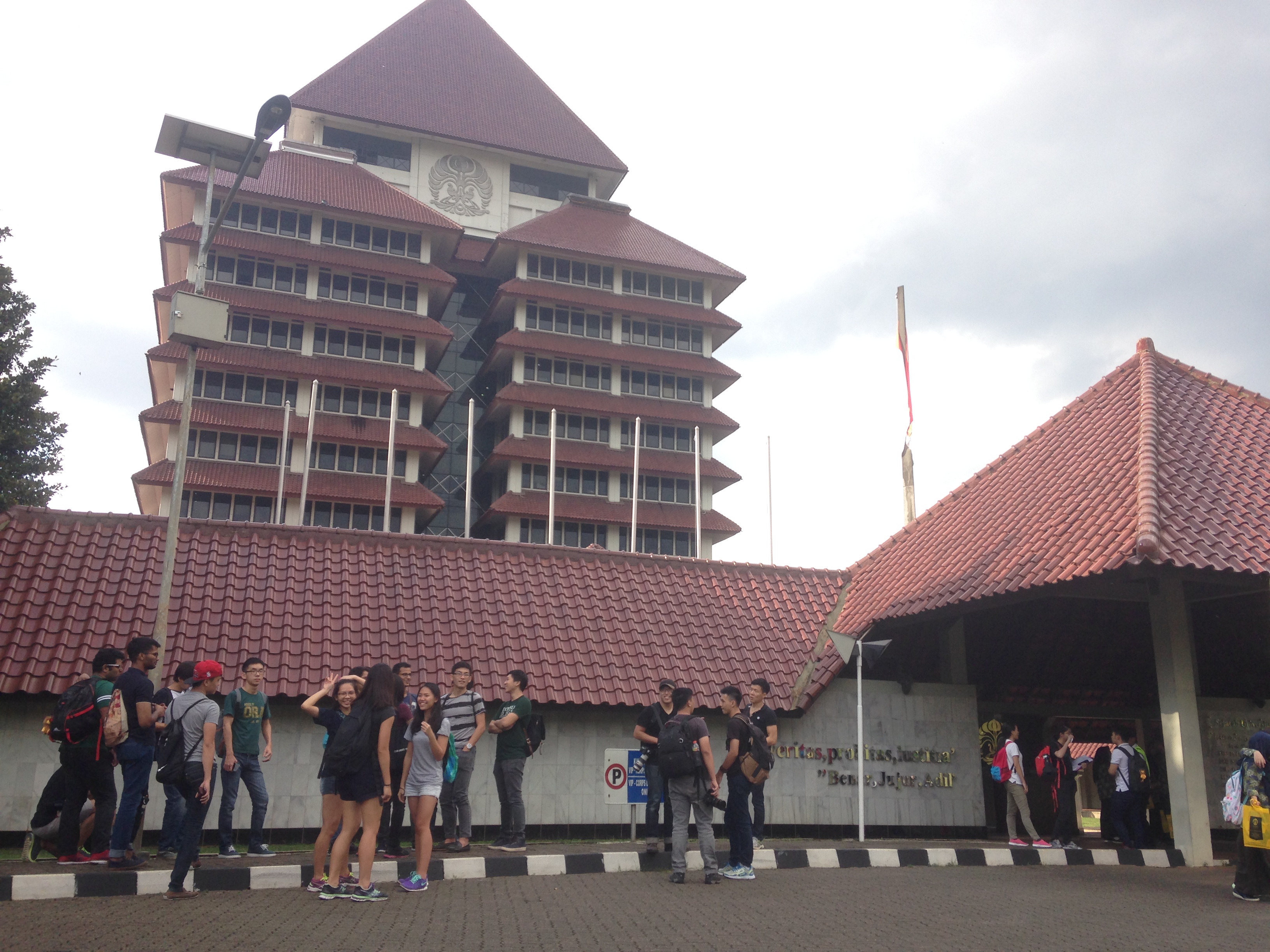
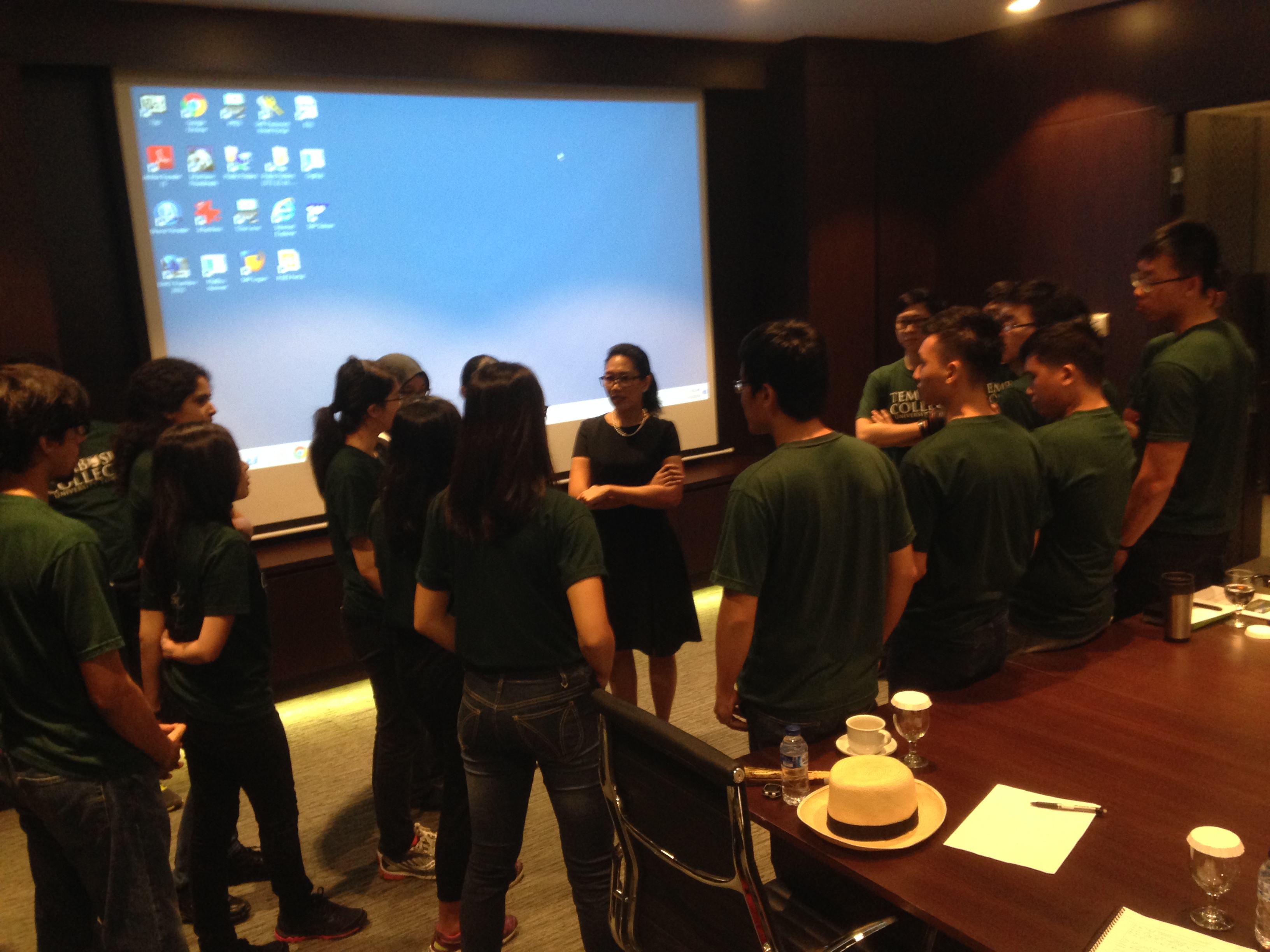
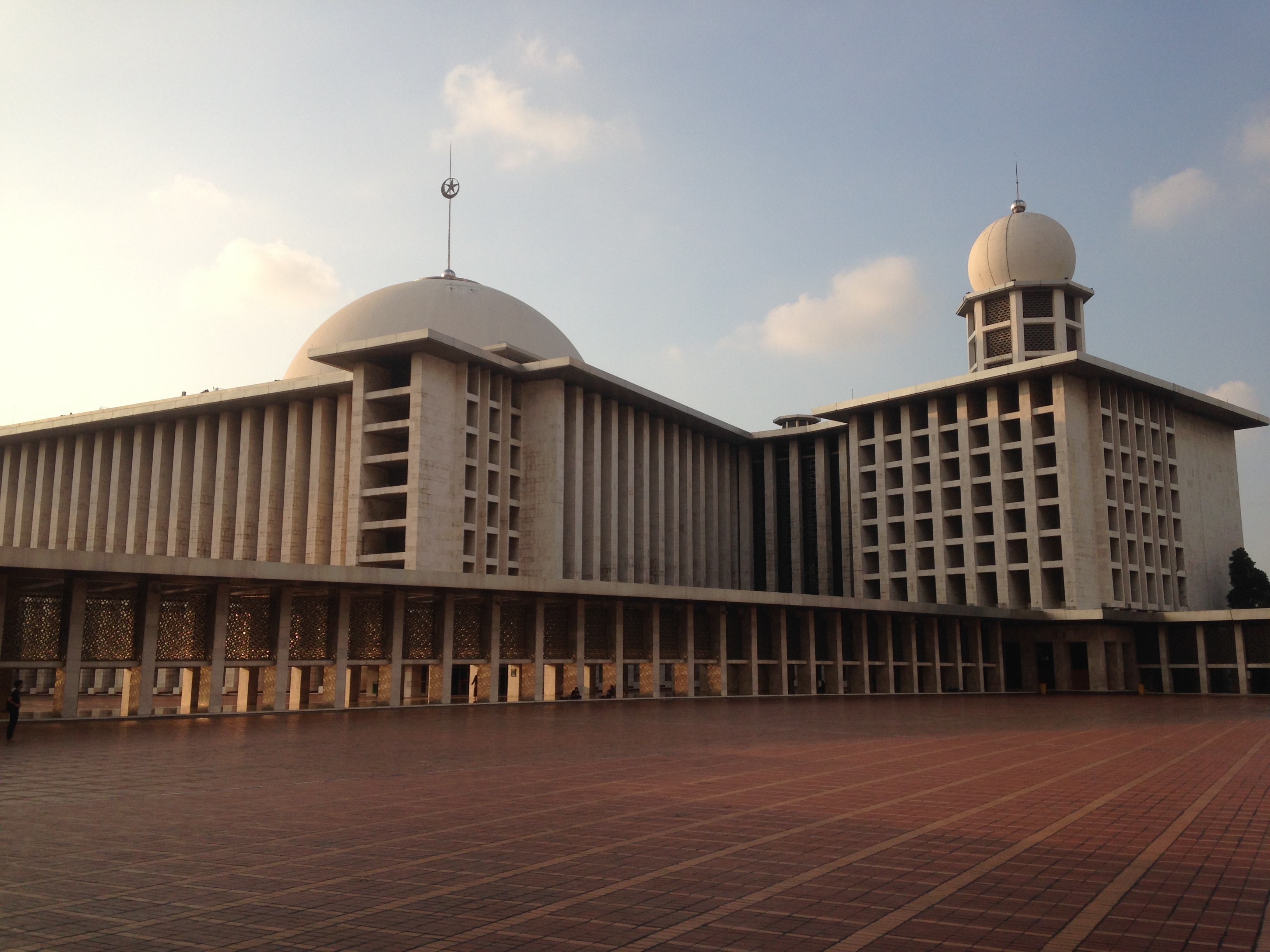
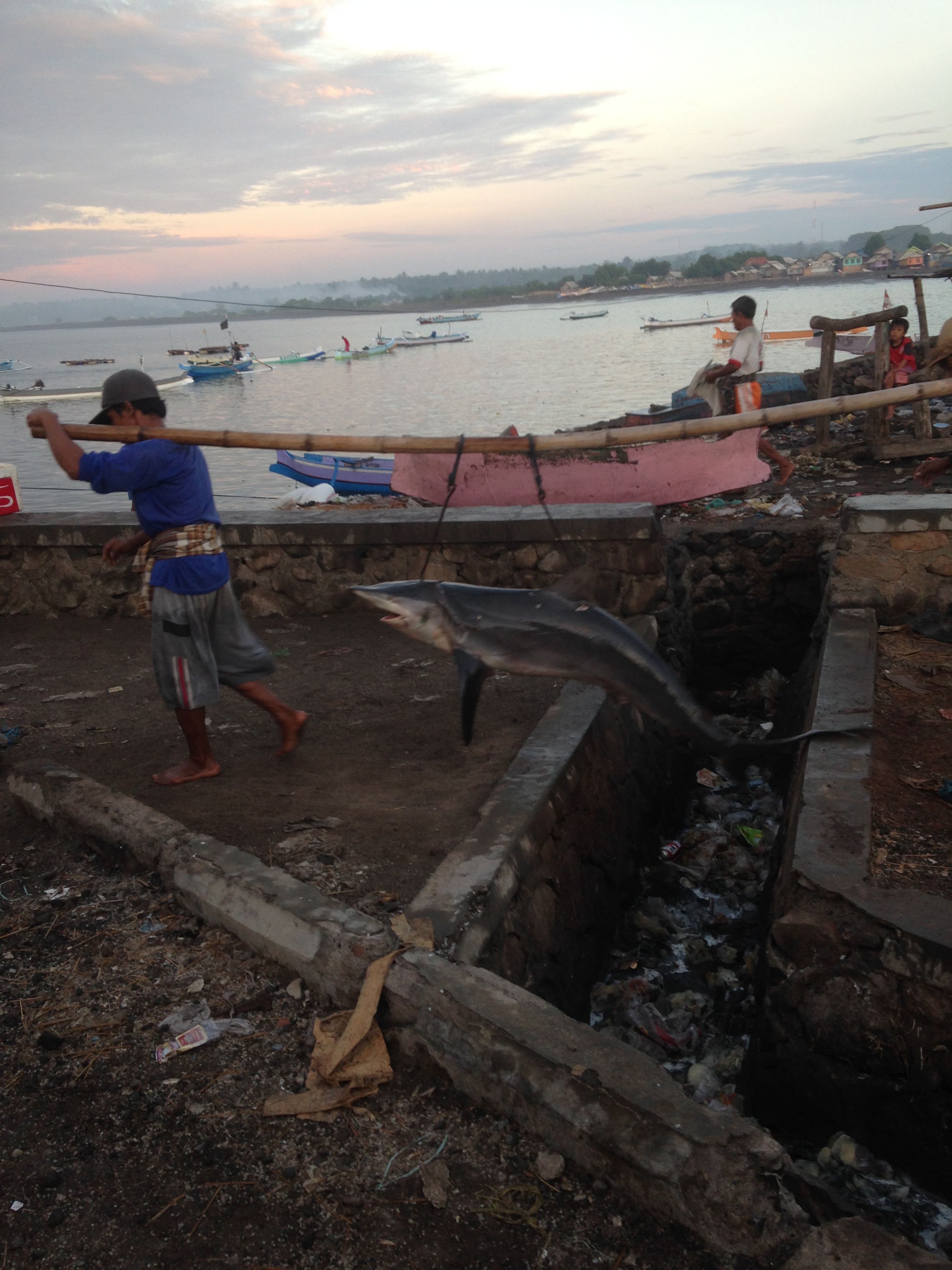
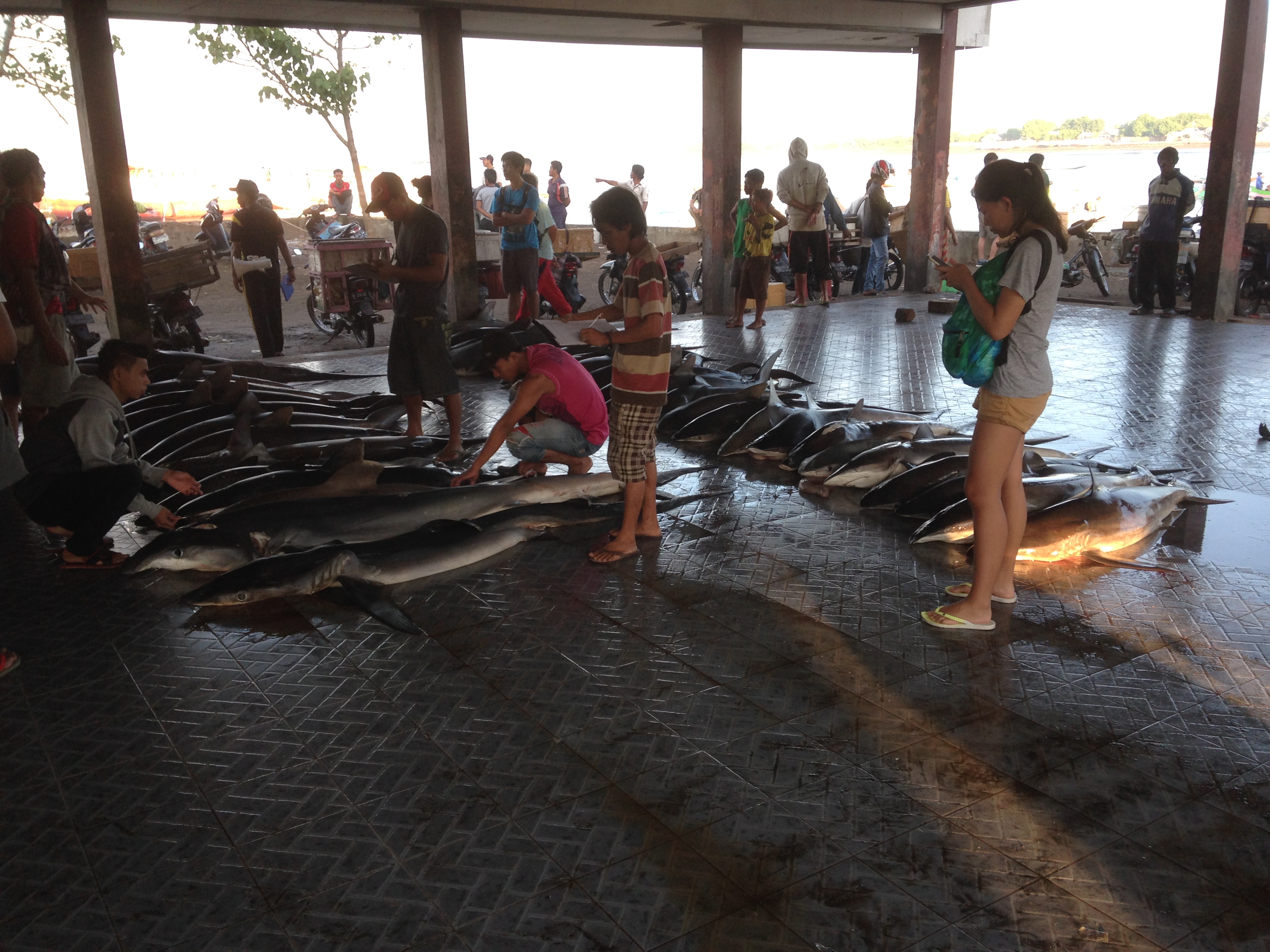
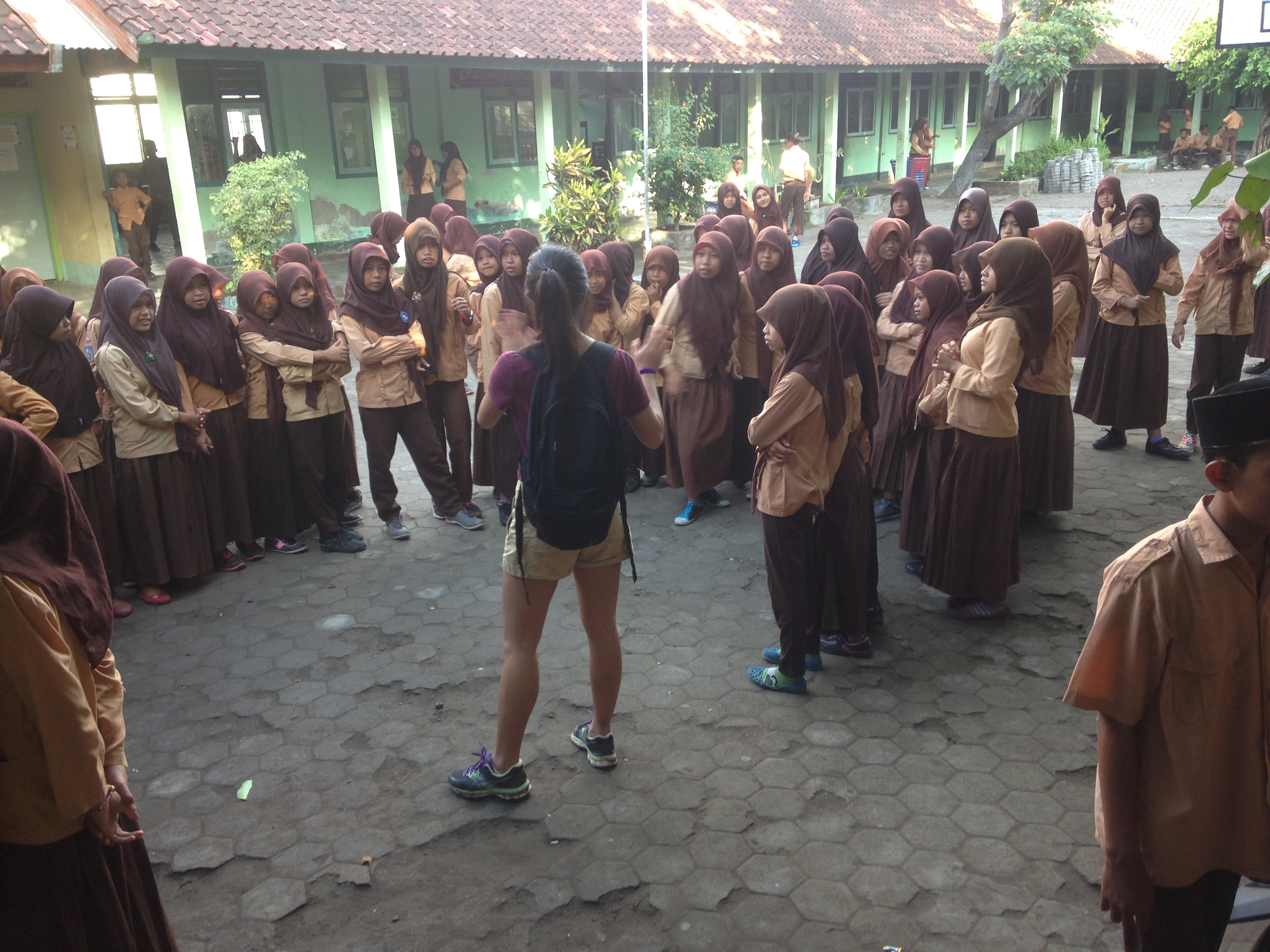
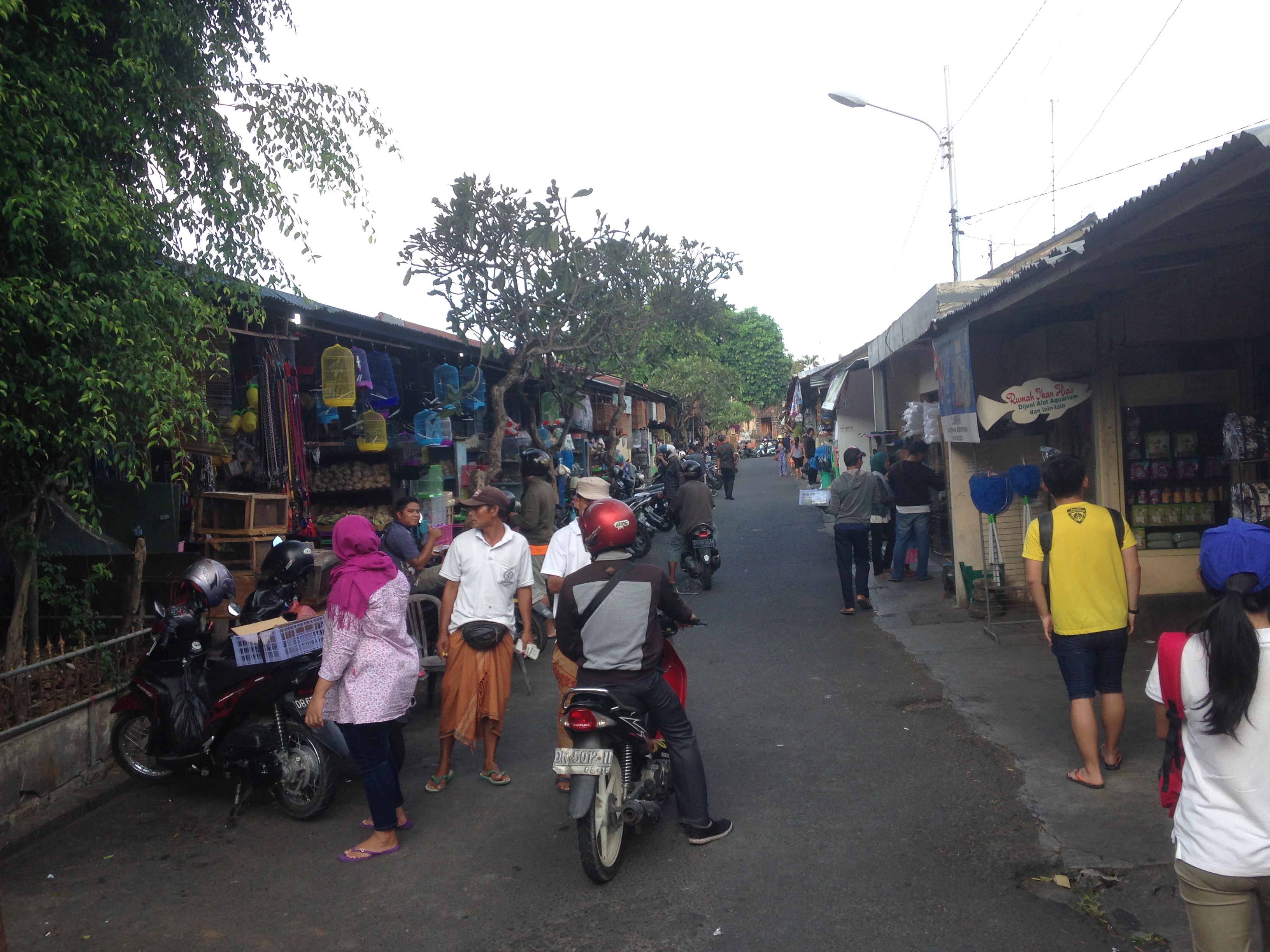
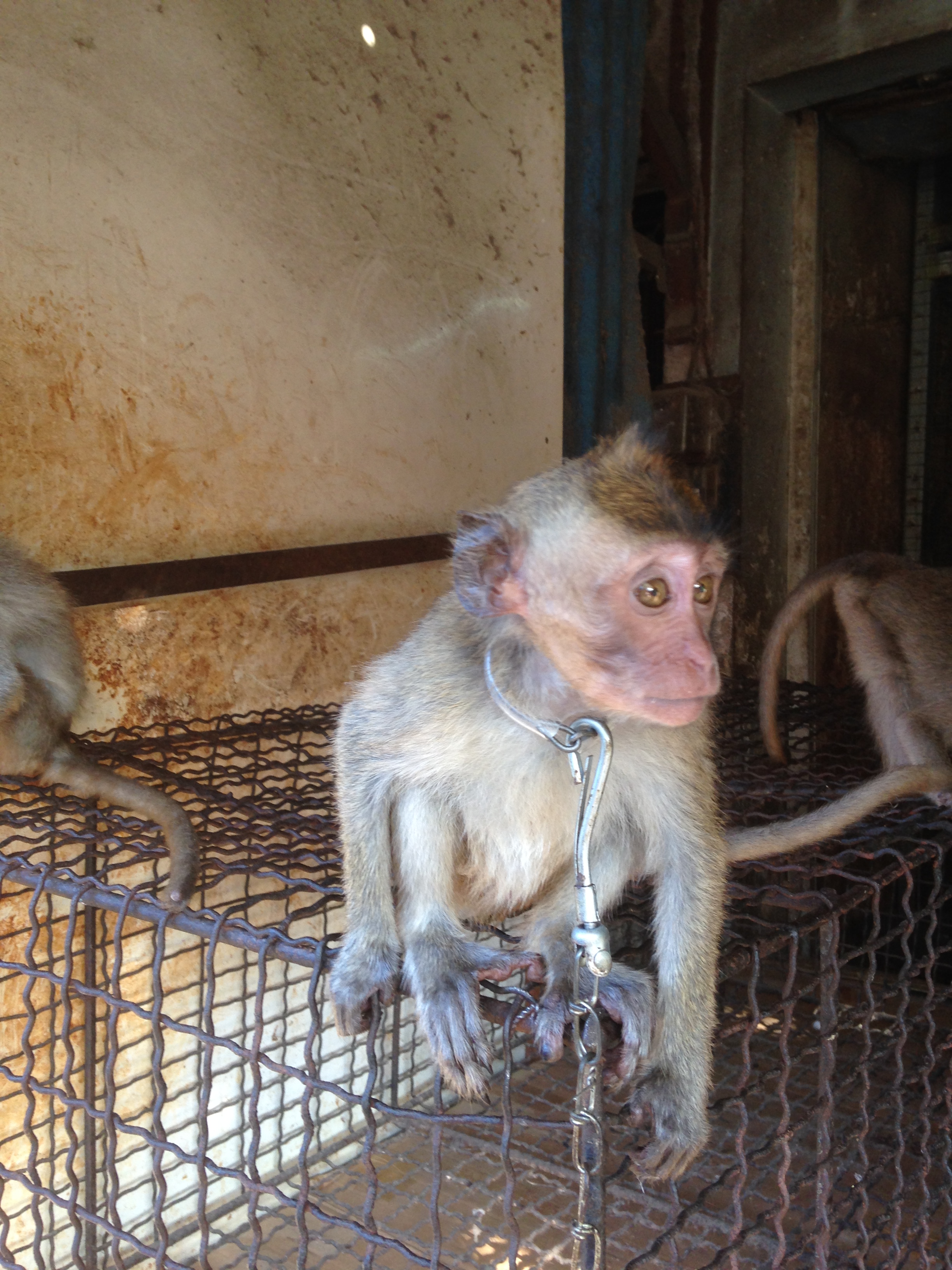
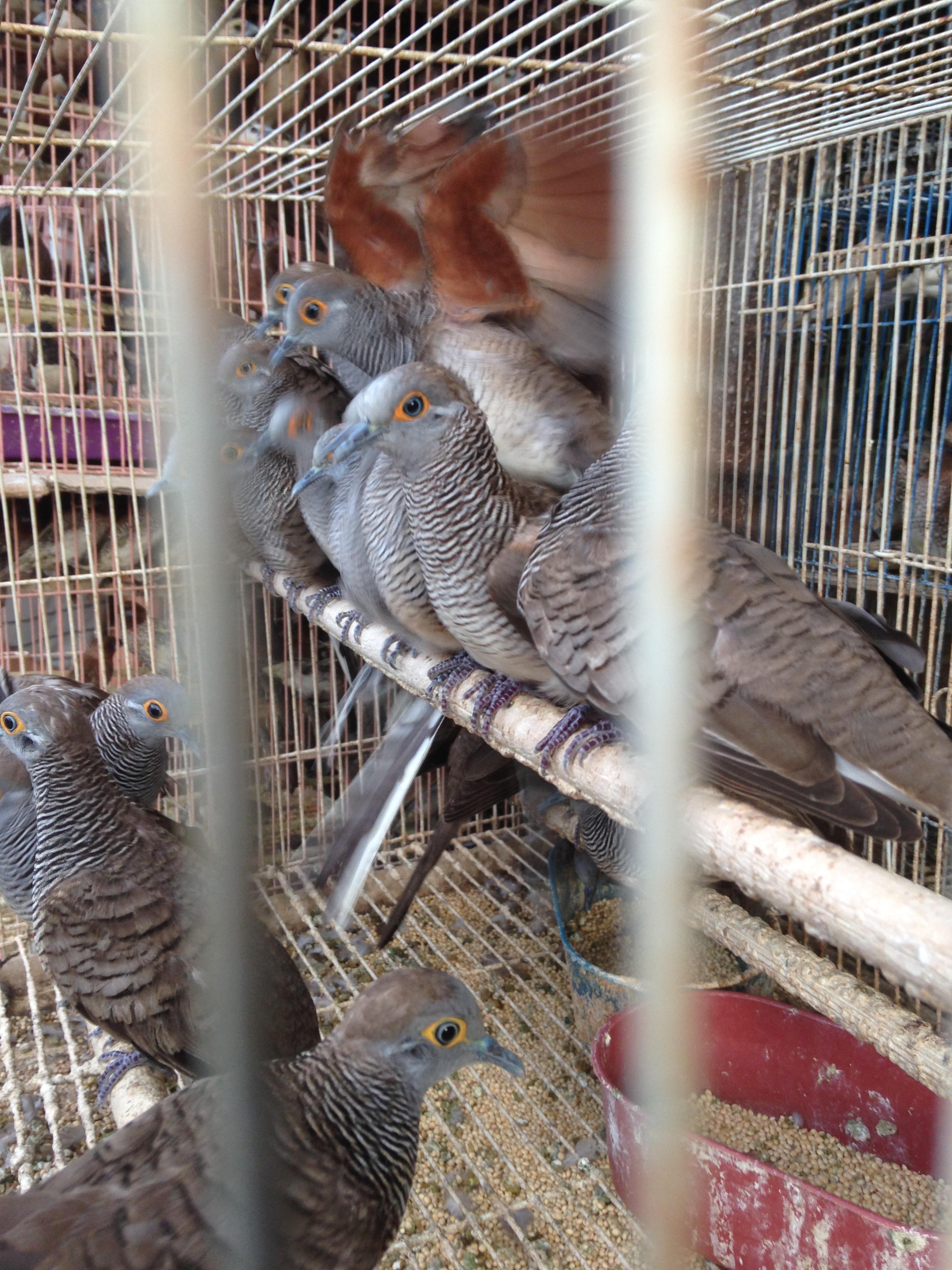
The team started in Jakarta where they met with representatives of a major paper manufacturer, the University of Indonesia and the Ministry of Forestry. On the island of Lombok they examined the remote fish market of Tanjung Luar and witnessed first hand the shocking state of shark overfishing, especially for their fins, and explored the deteriorated coral reefs. In Bali too they found the plunder of wildlife was almost total. In addition to nearly every home and restaurant having several caged wild songbirds, Bali Barat national park had very little wildlife. The only place it was abundant was the public bird market in Denpasar where tens of thousands of birds and other animals were crammed into cages for sale.

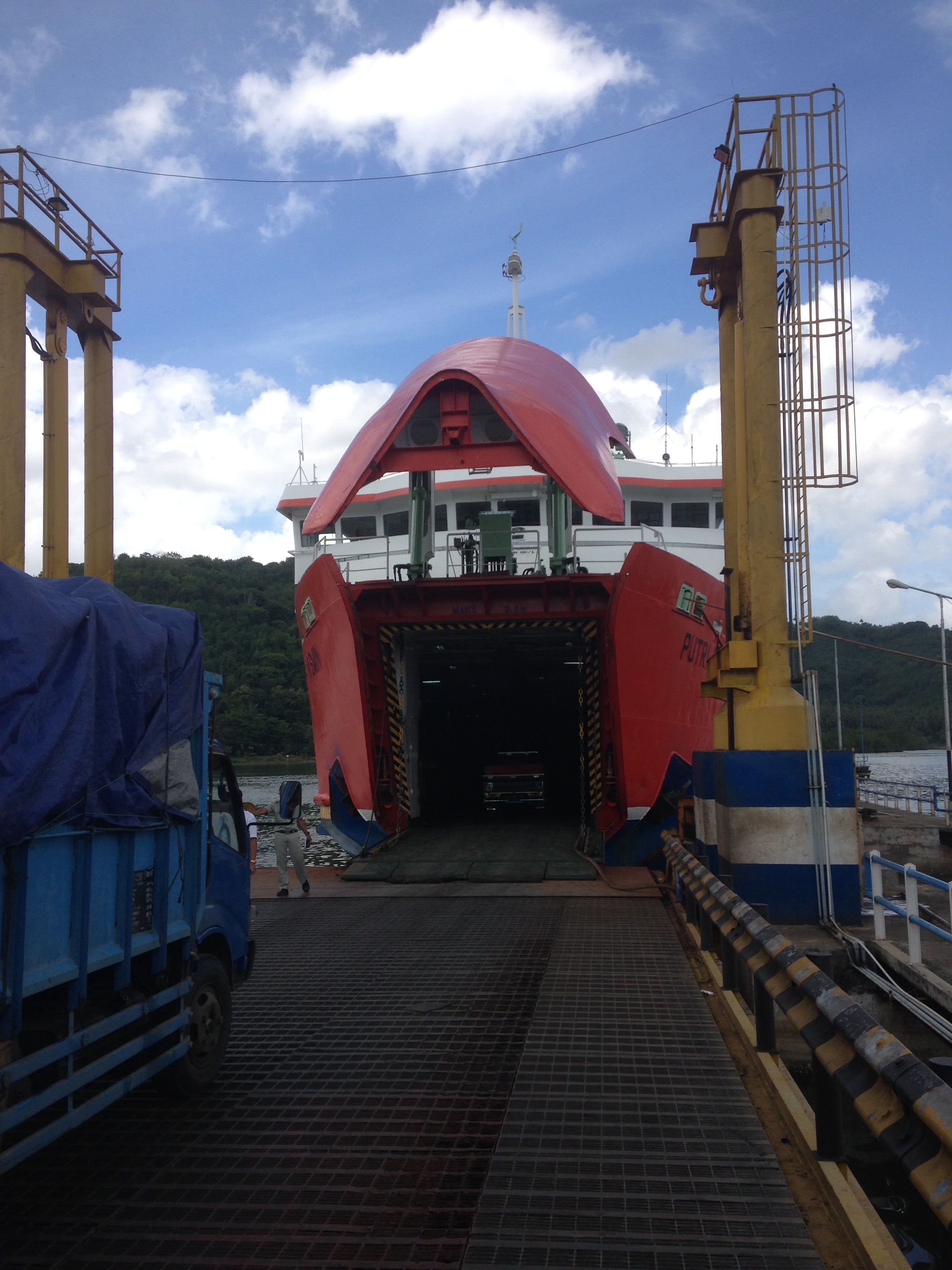
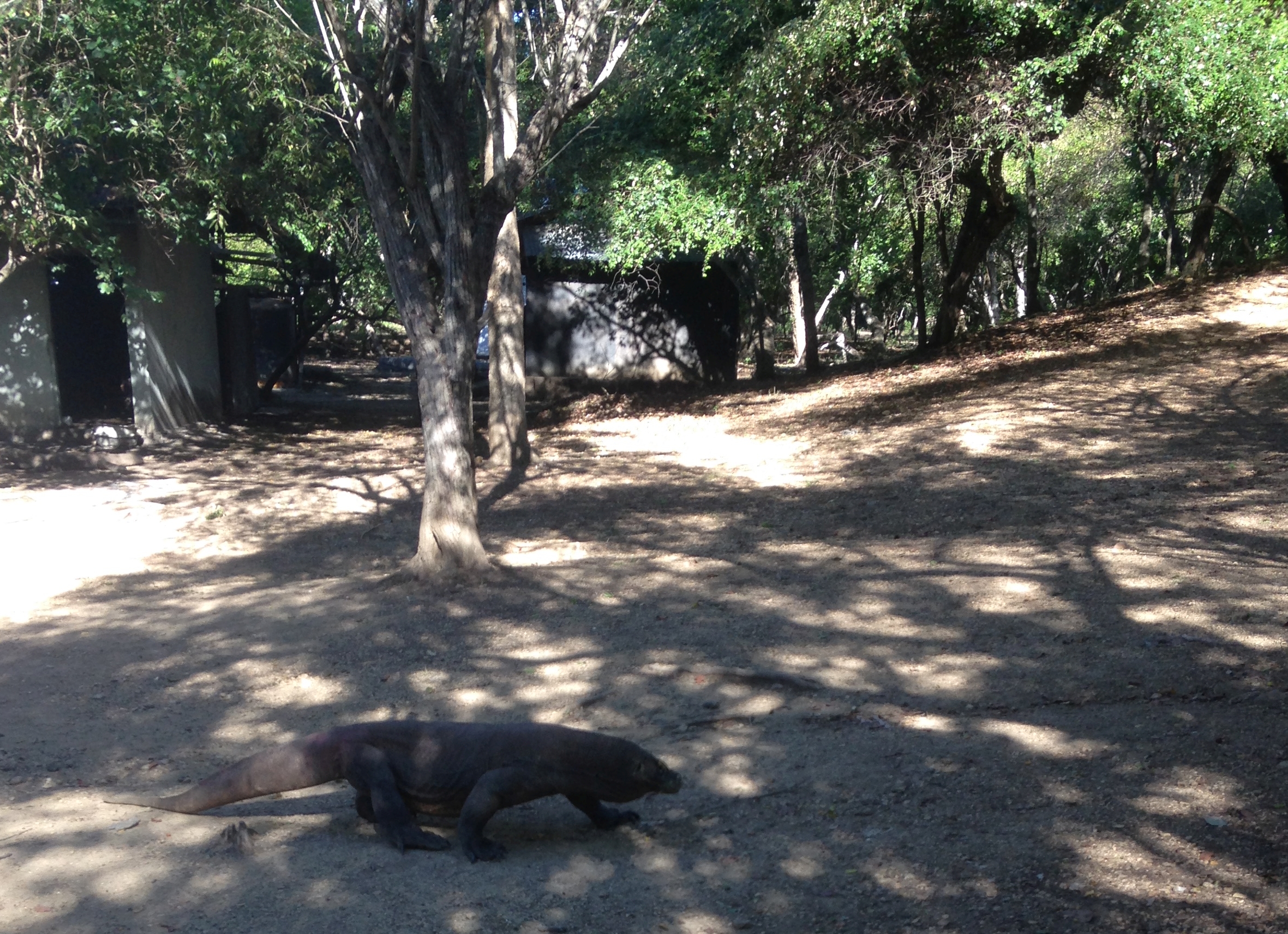
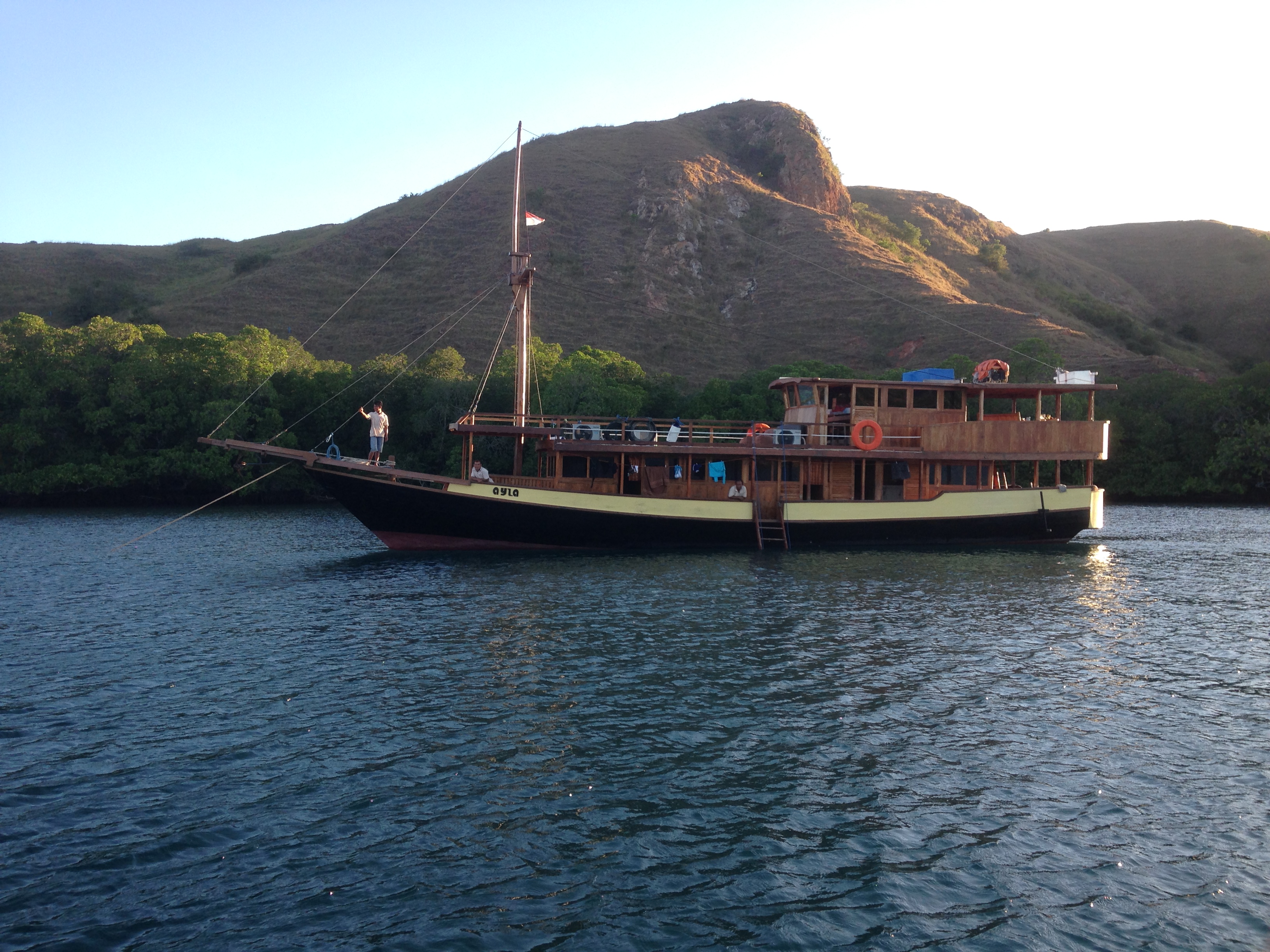
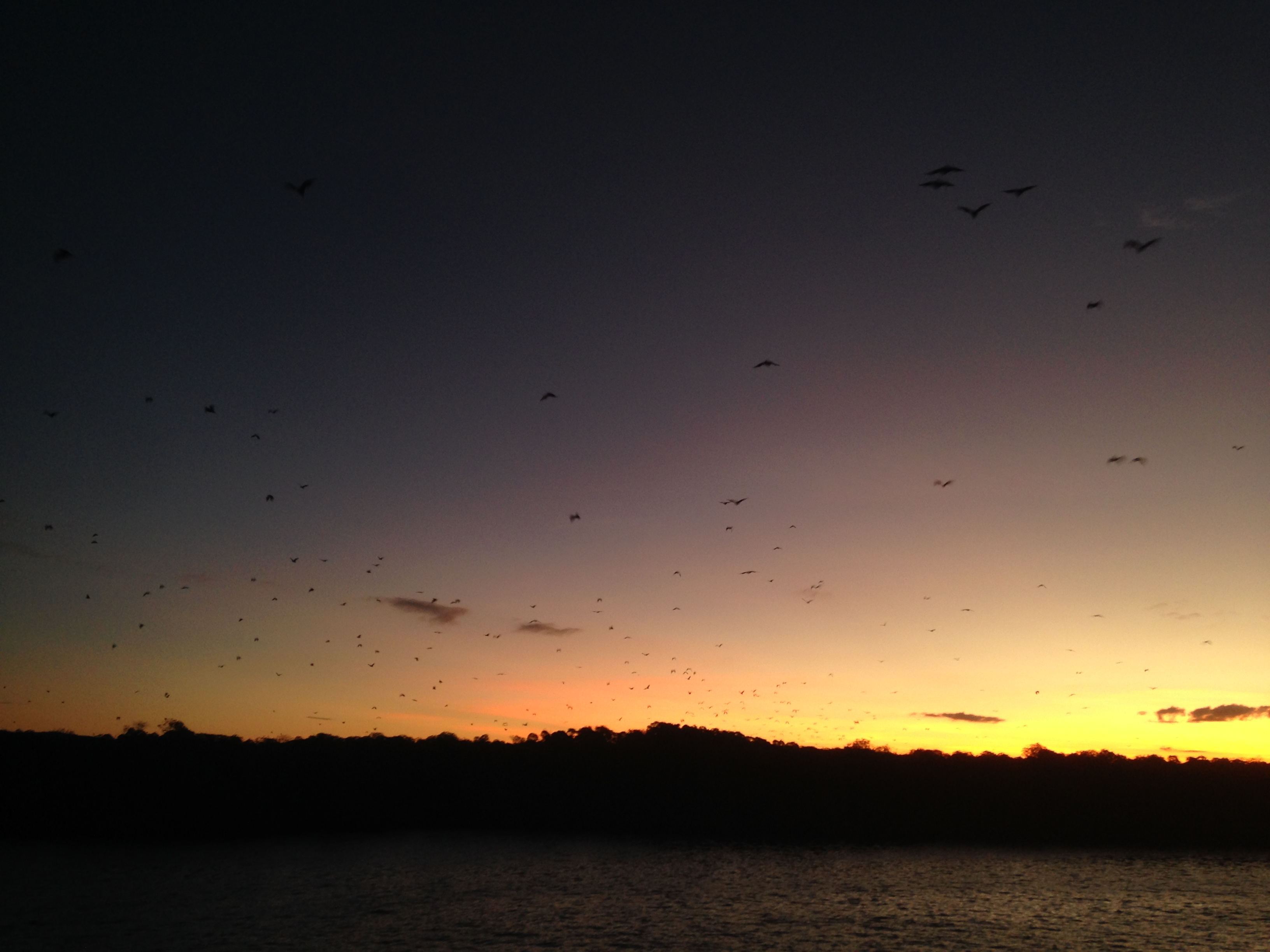
Sailing from the island of Flores, the team swam with sharks and sea snakes, endured fish bites, the stings of jelly fish and marvelled at the sight of a vast flock of prehistoric-looking giant fruit bats silently flying across the red-stained sky of sunset. The voyage culminated on the island of Komodo, home to the dragons. The group had many very close encounters with these ancient lumbering titans, by far the largest lizard in the world. NUS Professor Timothy Barnard joined the group to share his expertise on the social history of the dragons.

The Komodo dragon is a rare example in the region of a striking animal that is not threatened or endangered. The dragons actually outnumber the c. 2,000 human inhabitants. The dragons might be prospering because of the success of conservation efforts. In addition to being the centre of a National park, since 1986 it has been a UNESCO World Heritage Site. Less optimistically, the dragons may be prospering because these dry, desolate islands are no temptation for human exploitation and remain almost completely untouched.

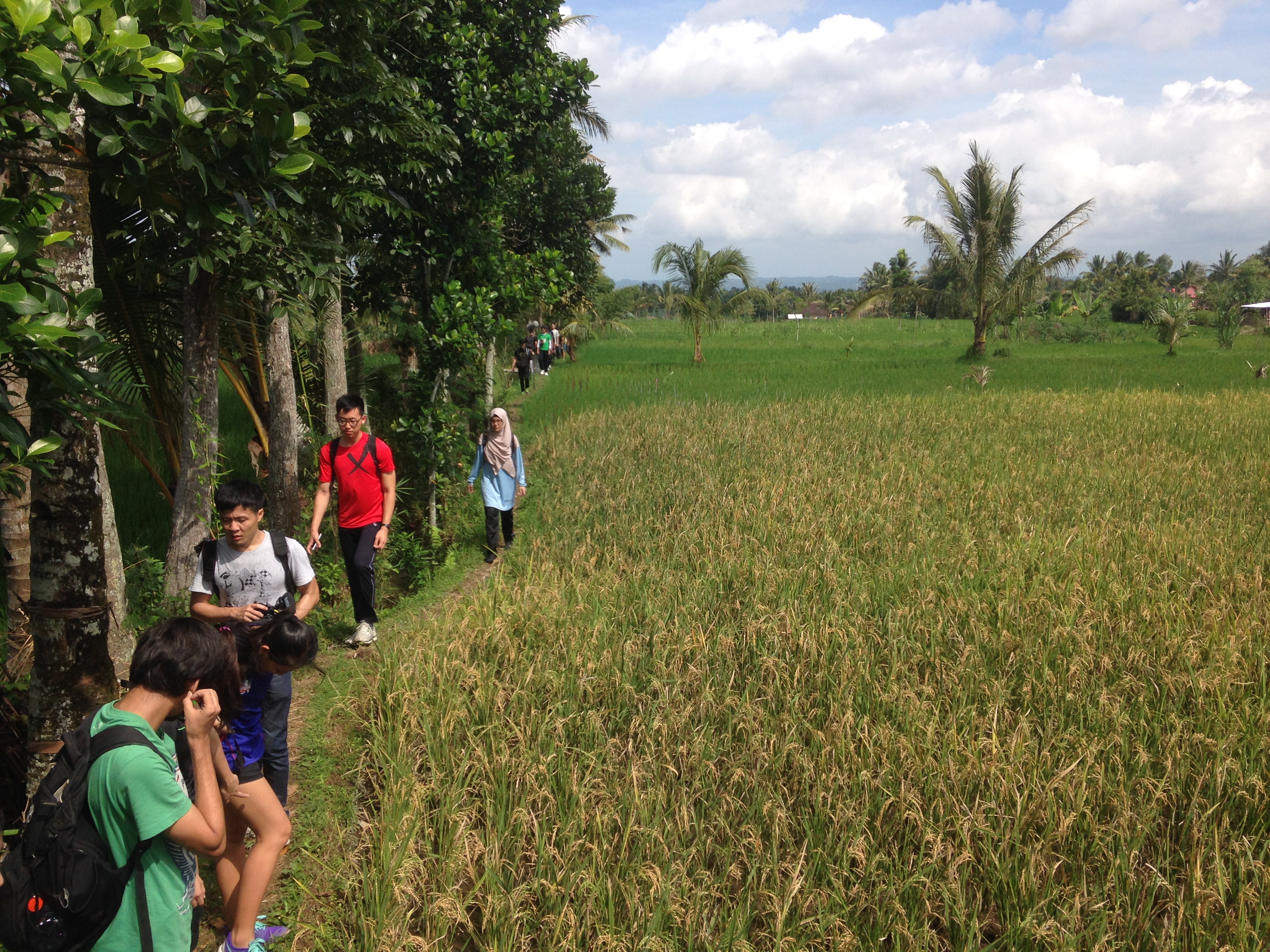
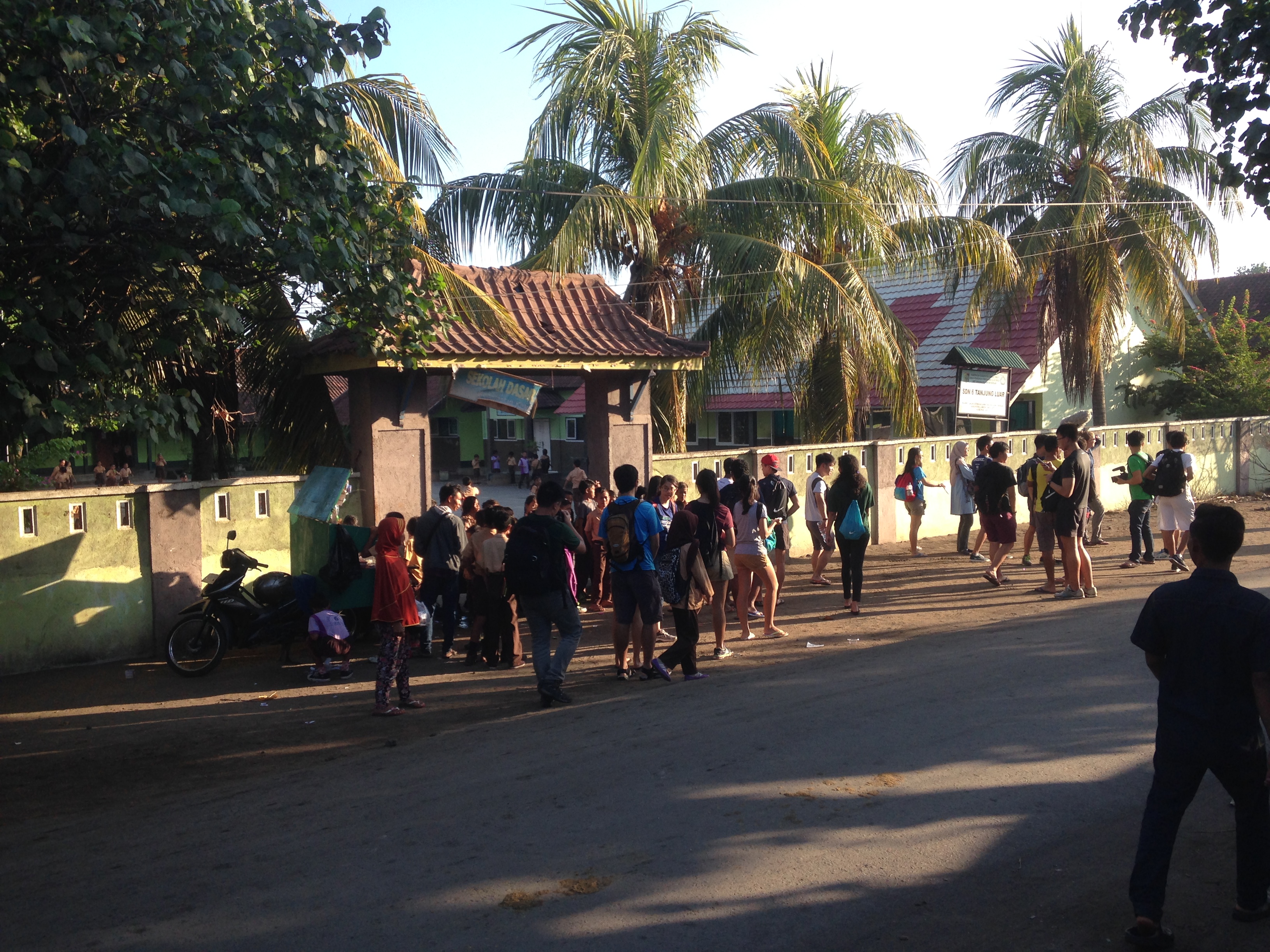
During this journey, the team stayed off the tourist-beaten track and instead endured the vagaries of local transport, trekked and cycled through the country lanes and rice fields. This allowed them to meet and interact with many local people going about their lives in the midst of the remaining wildlife. These people ranged from Sassak school children to poor families along the roadside in Lombok, to peasant bamboo farmers and plantation labourers in Bali.

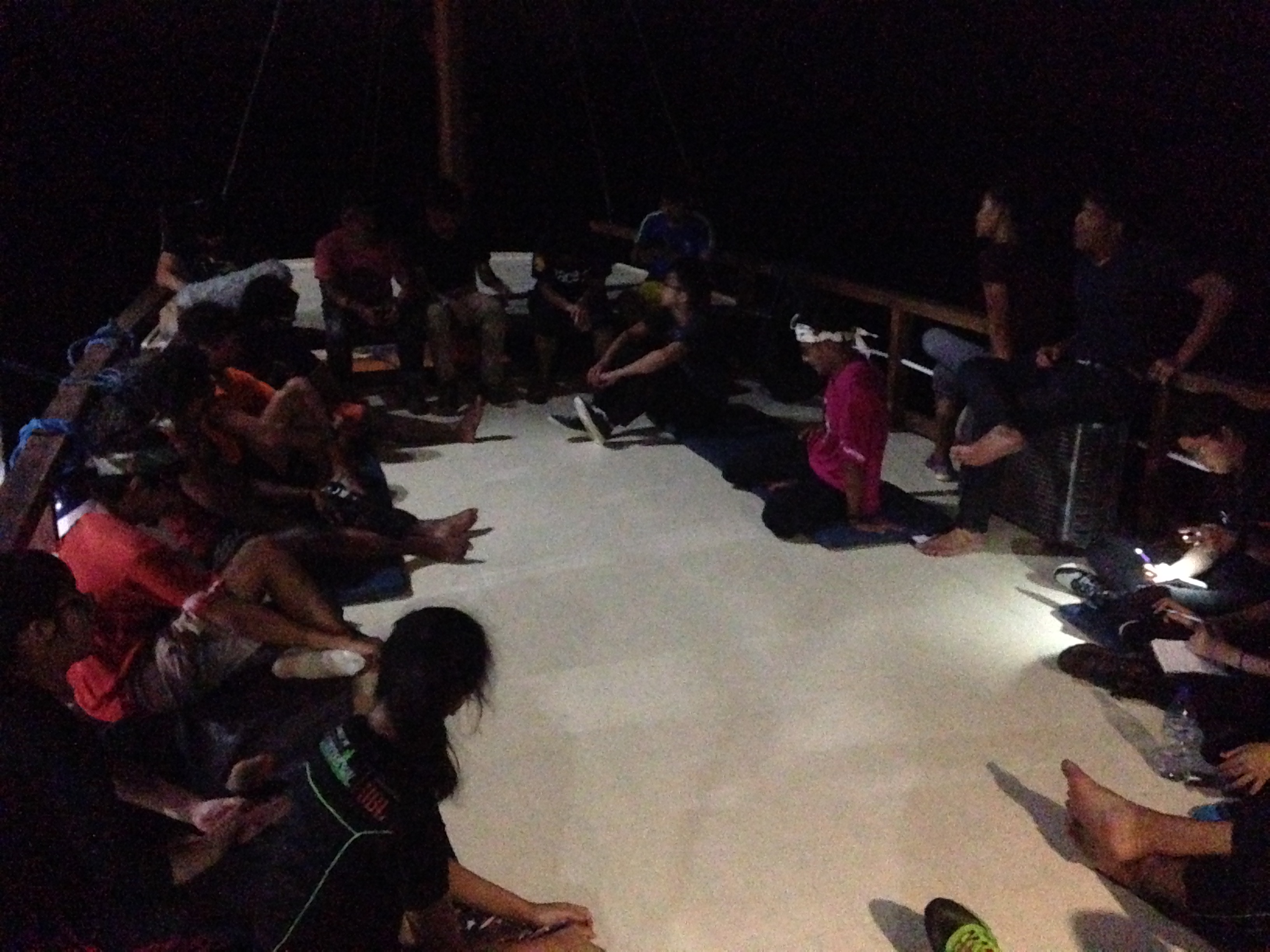
Throughout the expedition, a student crew of five filmed and recorded events and the experiences of the team to produce a documentary. This fruitful and informative expedition was initiated and organized by the students themselves. Their leader was first year business student Kah Jing Ong. This was surely one of the most extraordinary expeditions ever conducted by students of this university.

IARU NUS Global Summer School Programme 2016

Click to enlarge

Deadline Extended, Apply Now!

IARU Global Summer Programme 2016

Hosted by Tembusu College

Now open for application!
Programme Dates: June 27 2016 to July 22 2016
Australian National University
ETH Zurich
National University of Singapore
Peking University
University of California, Berkeley
University of Cambridge
University of Copenhagen
University of Oxford
University of Tokyo
Yale University

The IARU Global Summer Programme is an opportunity for students from IARU universities – an alliance of ten of the world’s leading research universities – to take part in an intensive four-credit short course over the summer holiday.

Tembusu College will be hosting the 2016 IARU GSP on Animals and the City (UTC2112)

NUS students are encouraged to apply for this competitive programme for the opportunity to work with outstanding peers from around the globe to explore the challenges faced by animals in a rapidly urbanising Asia.

Apply to dev-tembusu-nus.pantheonsite.io by 8th April 2016

For more information on the programme, please visit: http://www.iaruni.org/home/gei/gsp/gsp-2016/gsp2016-nus2

Deadline has been extendedApply Now!

Any queries, please email tembusugsp@nus.edu.sg.

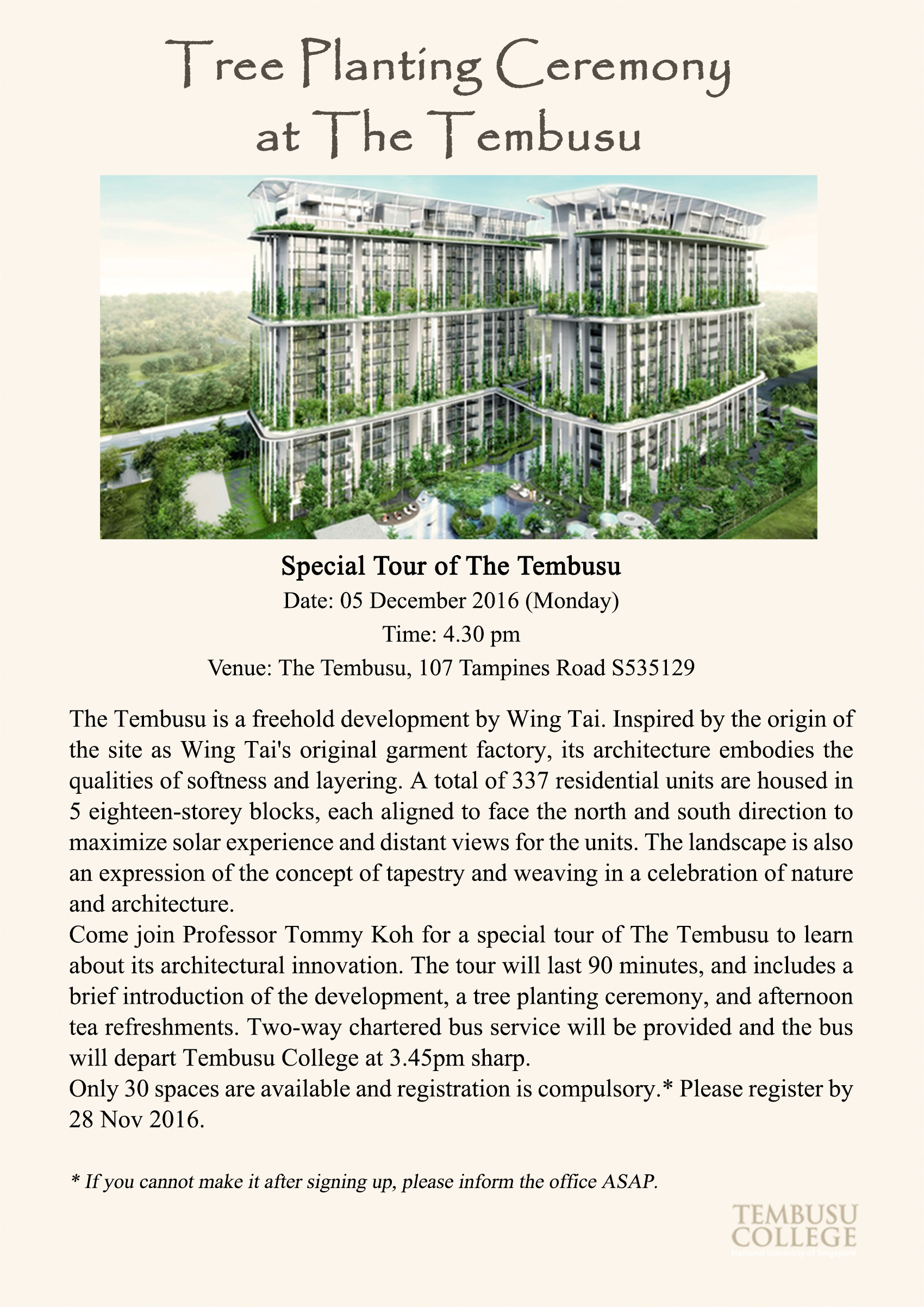
Tree Planting Ceremony at The Tembusu

Click to enlarge

Special Tour of The Tembusu

Date: 05 December 2016 (Monday)

Time: 4.30 pm

Venue: The Tembusu, 107 Tampines Road S535129

The Tembusu is a freehold development by Wing Tai. Inspired by the origin of the site as Wing Tai’s original garment factory, its architecture embodies the qualities of softness and layering. A total of 337 residential units are housed in 5 eighteen-storey blocks, each aligned to face the north and south direction to maximize solar experience and distant views for the units. The landscape is also an expression of the concept of tapestry and weaving in a celebration of nature and architecture.

Come join Professor Tommy Koh for a special tour of The Tembusu to learn about its architectural innovation. The tour will last 90 minutes, and includes a brief introduction of the development, a tree planting ceremony, and afternoon tea refreshments. Two-way chartered bus service will be provided and the bus will depart Tembusu College at 3.45pm sharp.
Only 30 spaces are available and registration is compulsory.* Please register by 28 Nov 2016.

* If you cannot make it after signing up, please inform the office ASAP.