Jeremy Fernando at the NUS Arts Festival 2017

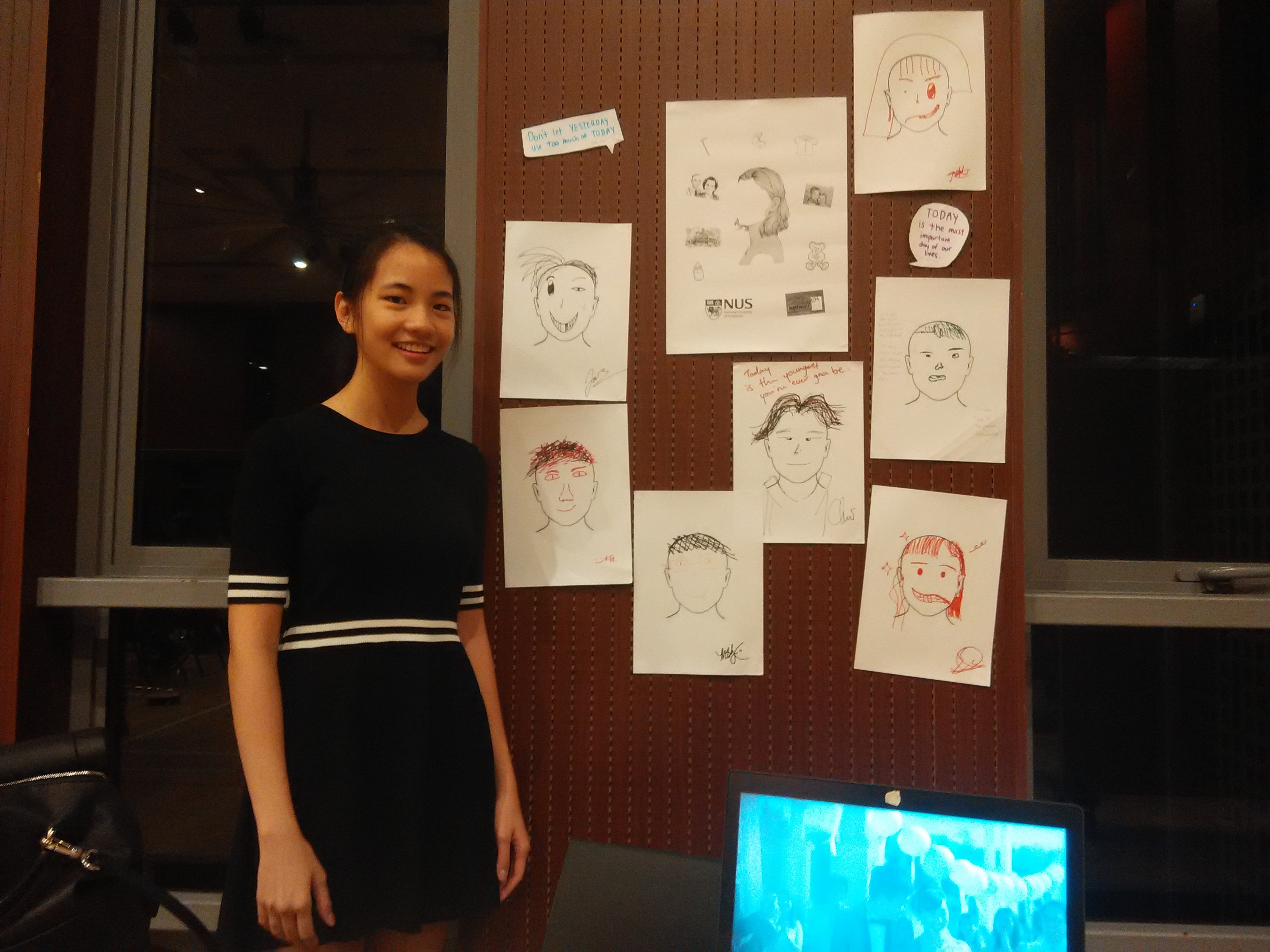
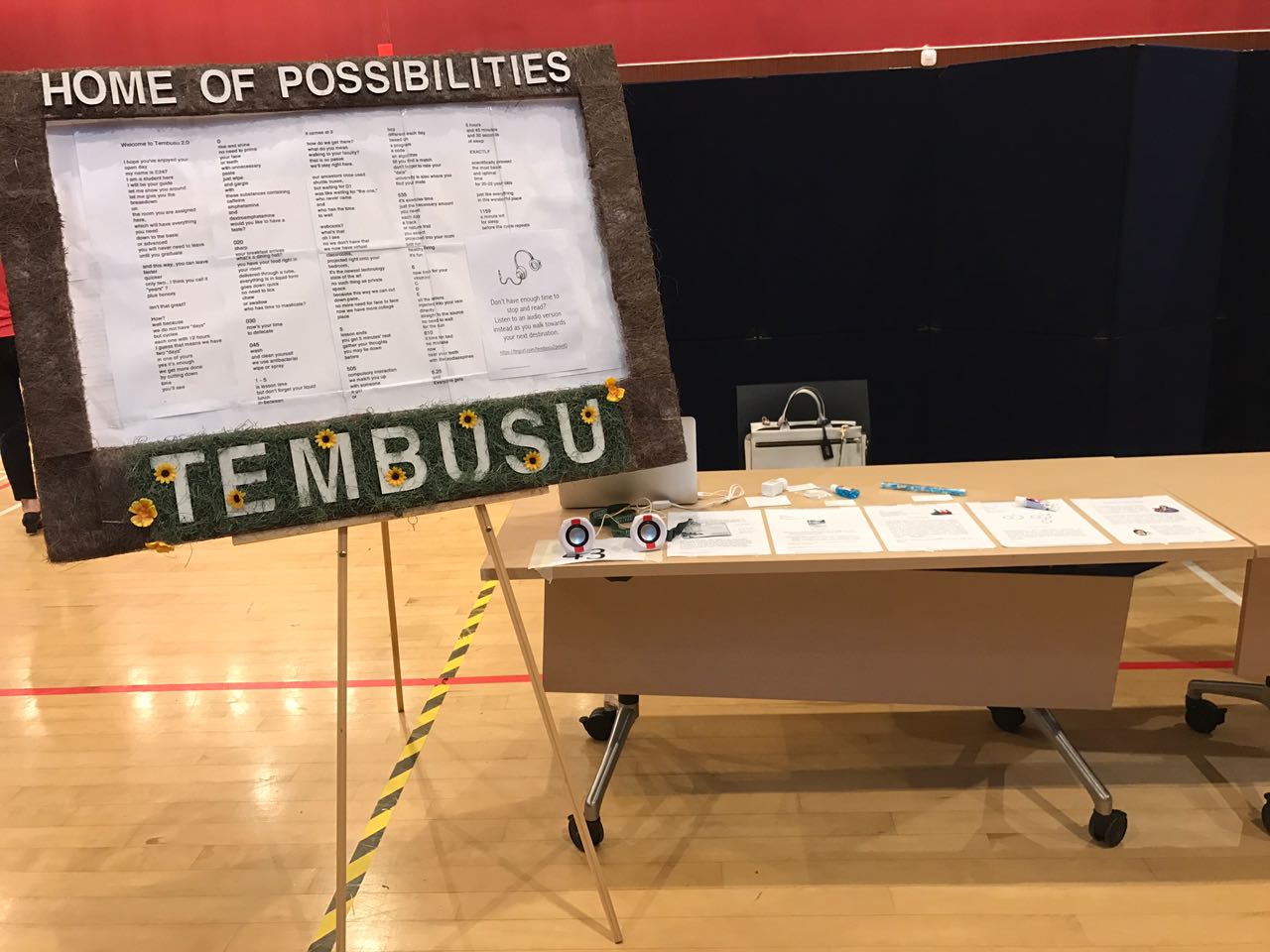
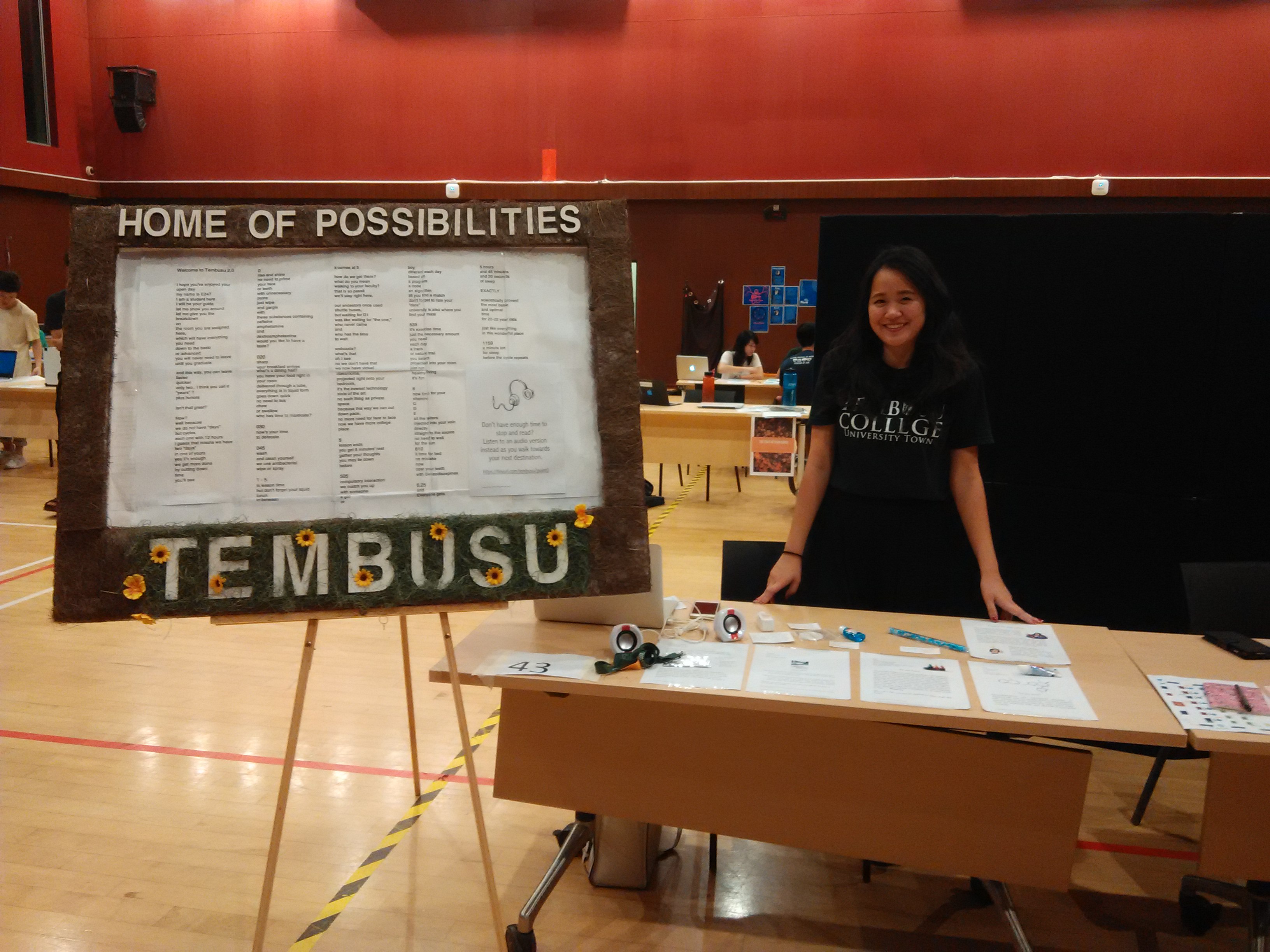
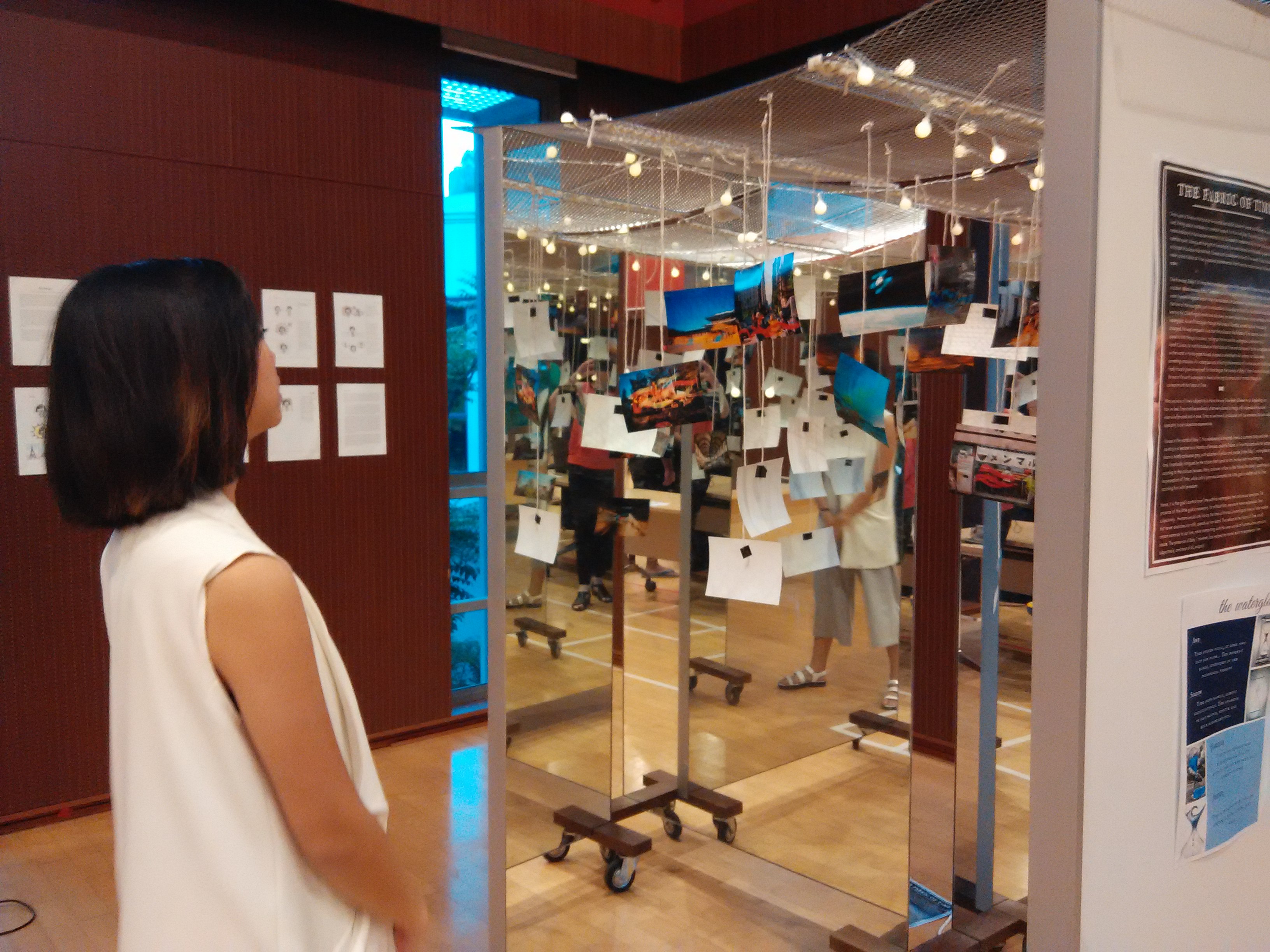
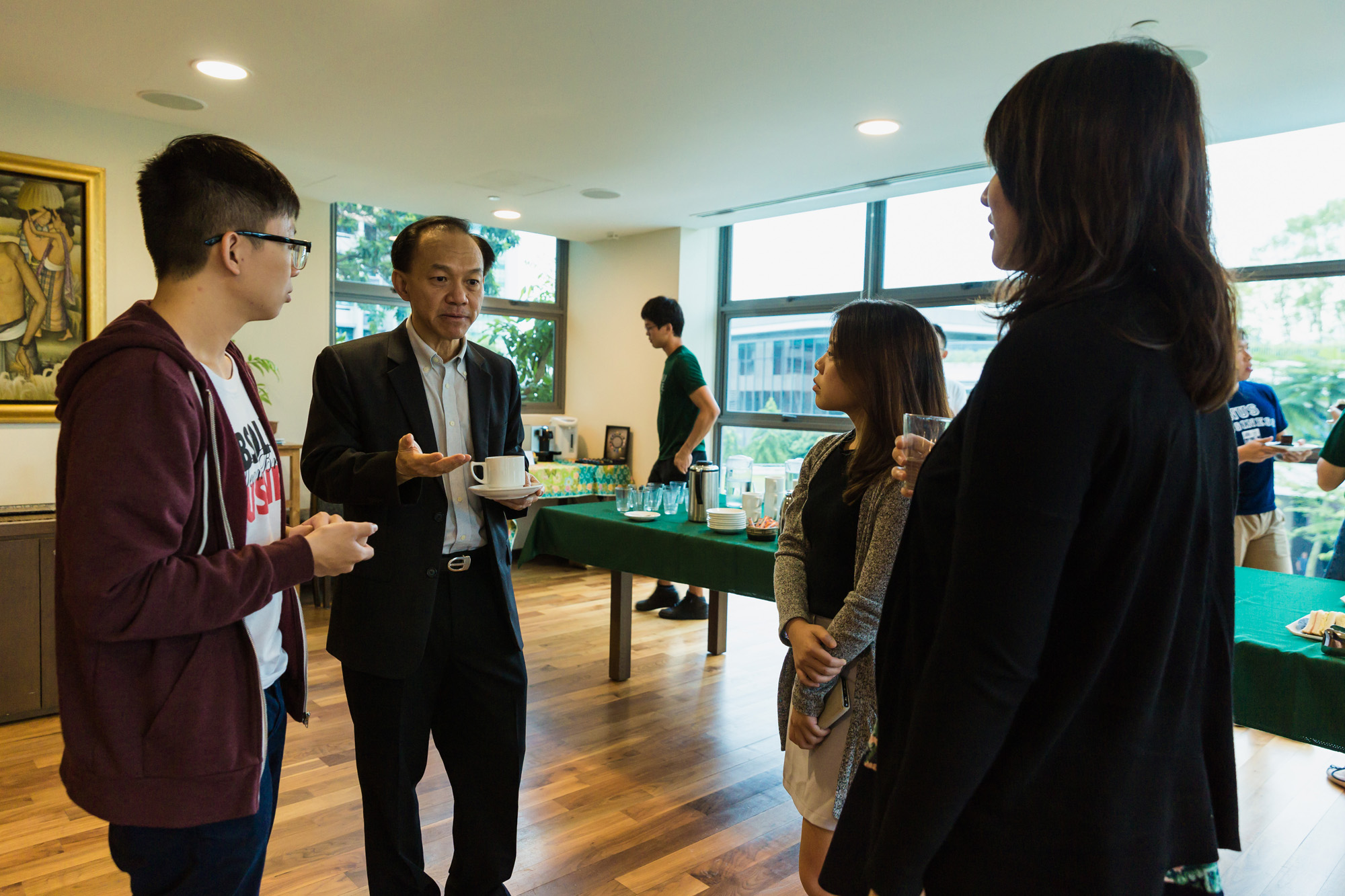
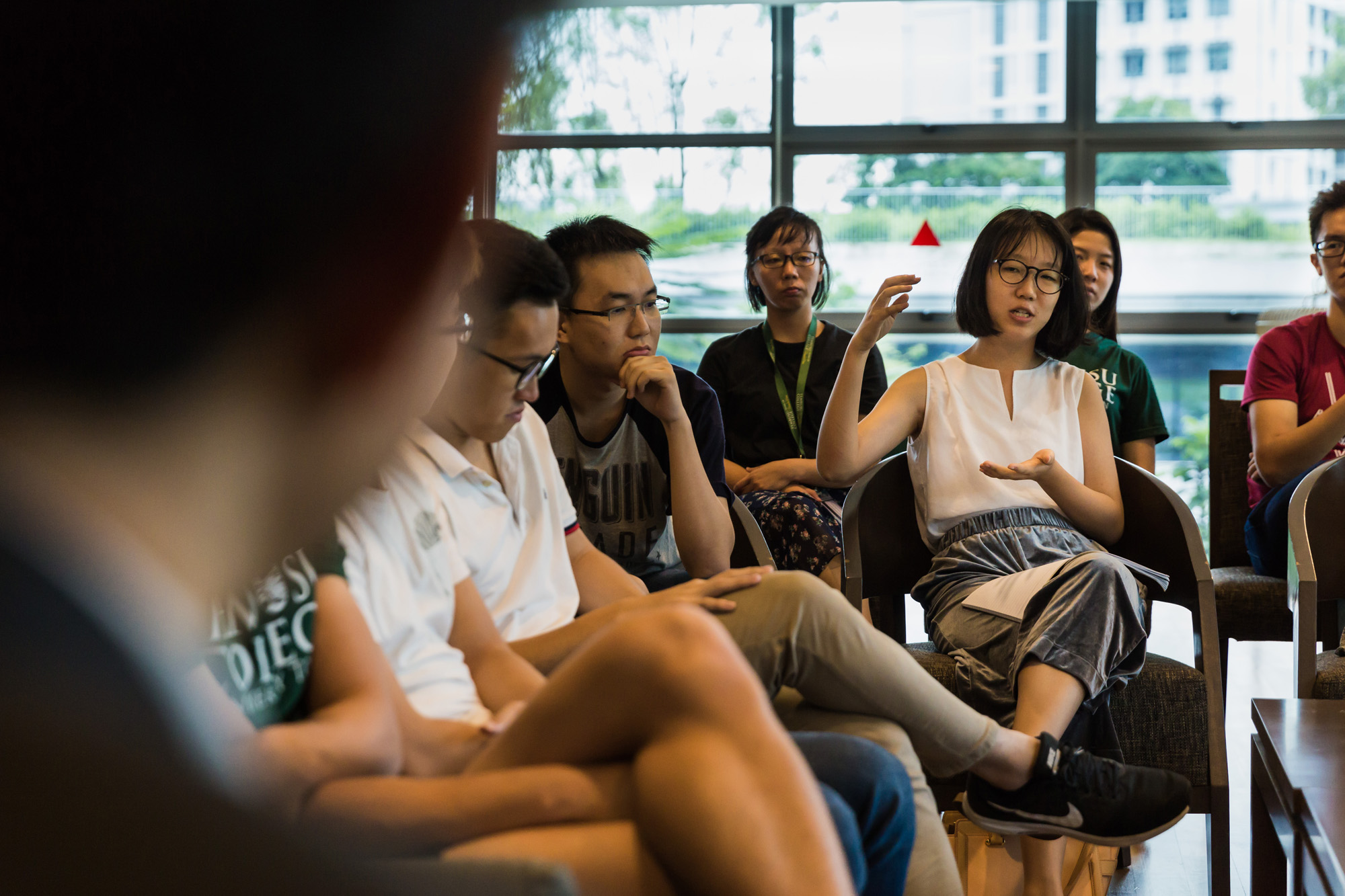
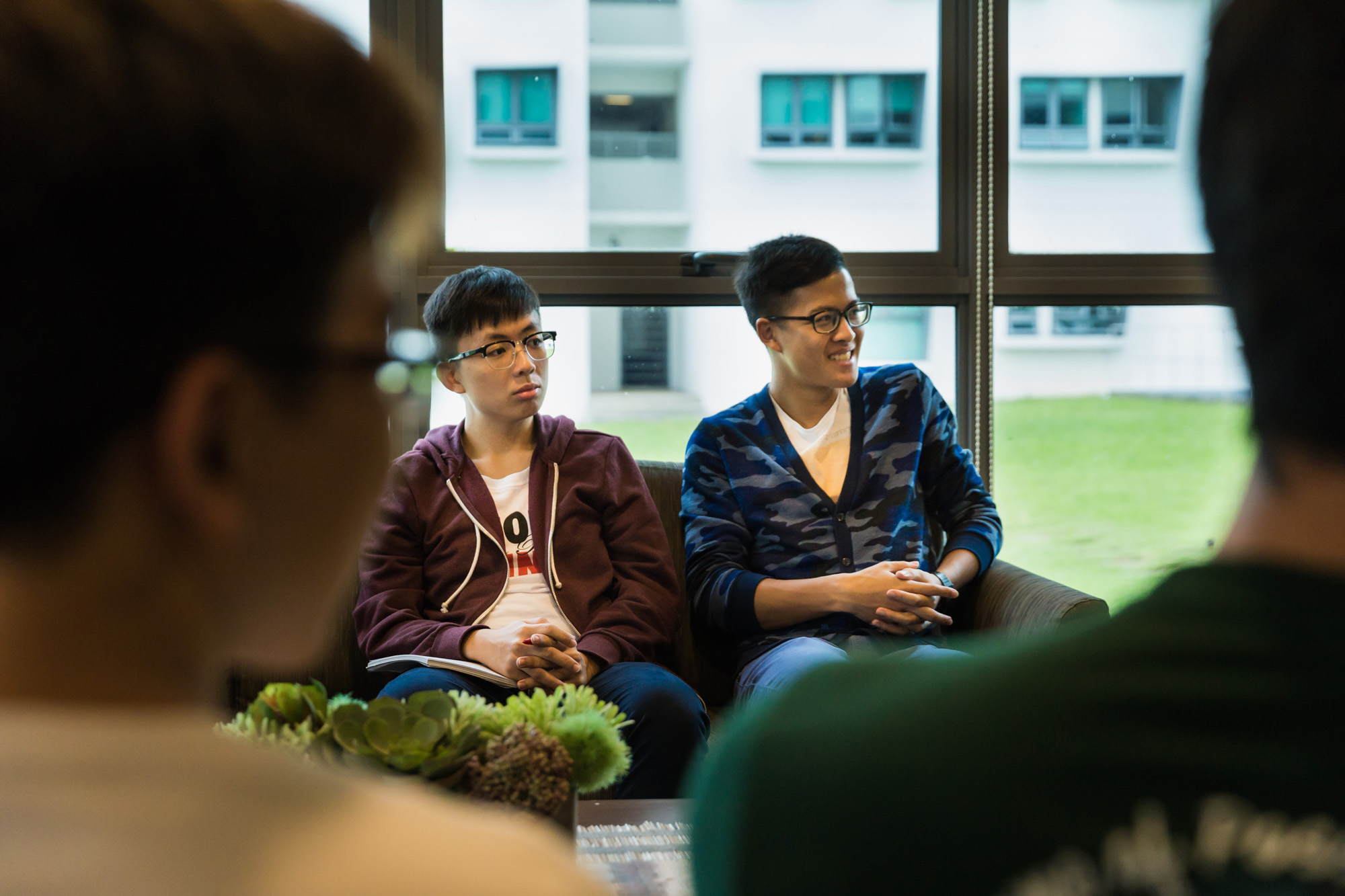
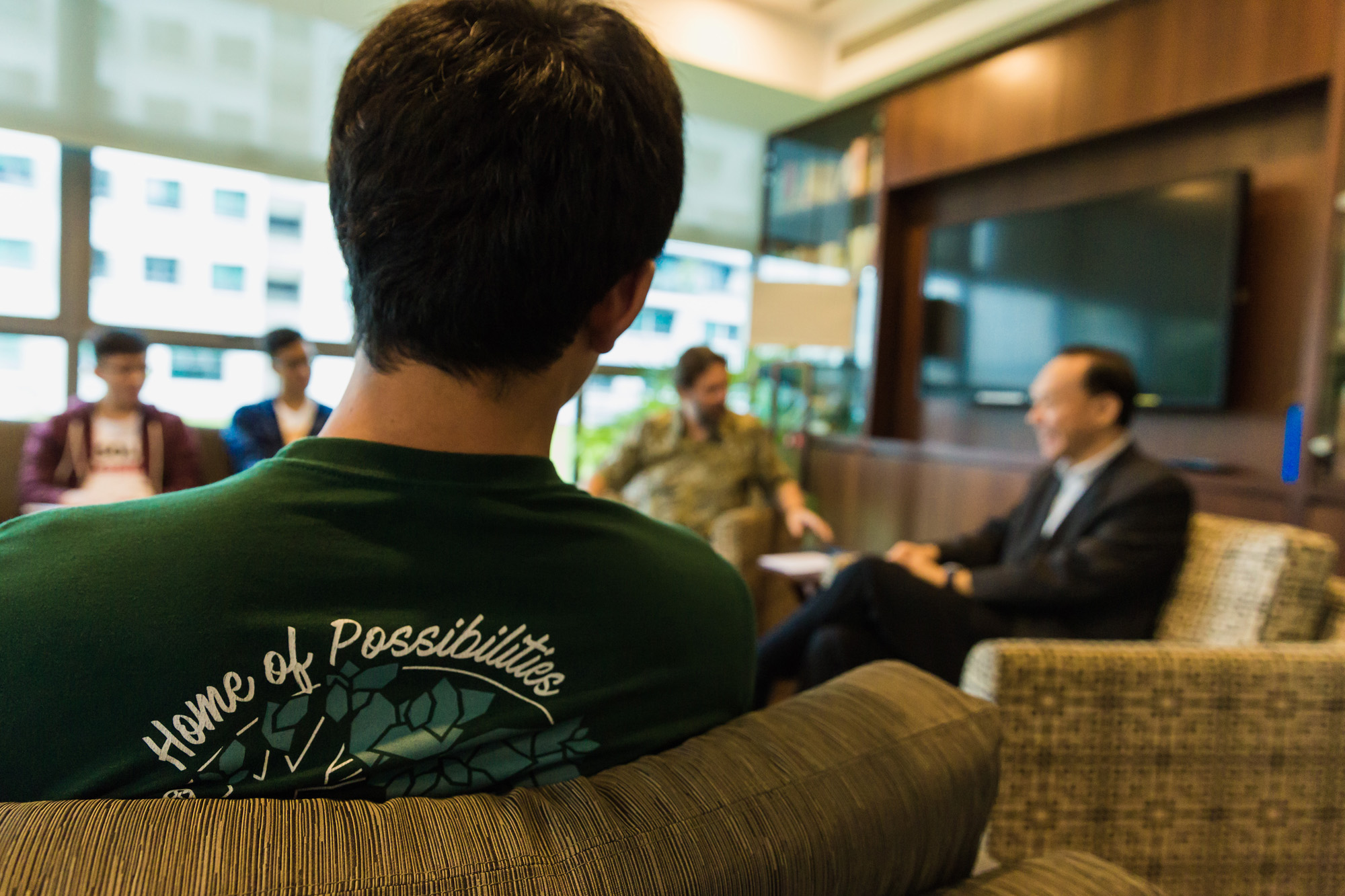
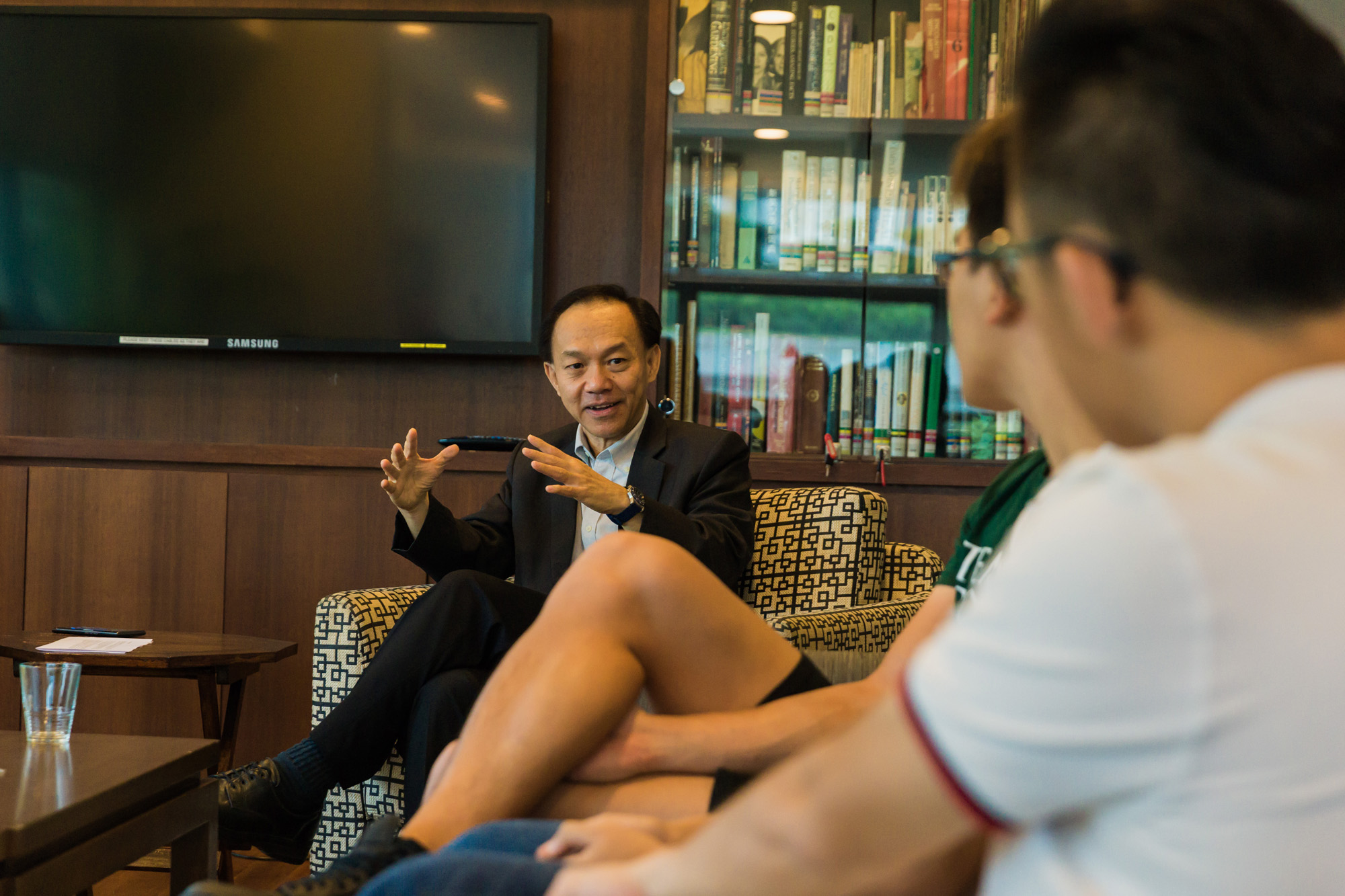
On 22 March 2017, as part of the Centre for the Art’s NUS Arts Festival 2017, Jeremy Fernando performed a talk, ‘On Interventions — or, space is only noise if you can see, which attempted to meditate on the notion of interventions, on the relationship between the one who intervenes and the site, peoples, spaces, sounds, of the intervention.

The performance, which was held at the NUS Museum, was moderated by Yanyun Chen from Yale-NUS College; and is dedicated to all the students who have taken the ‘Singapore as “Model” City?’ senior seminar over the years: without their intelligence, creativity, and warmth — alongside their wonderful intervention projects — none of this would have been possible.

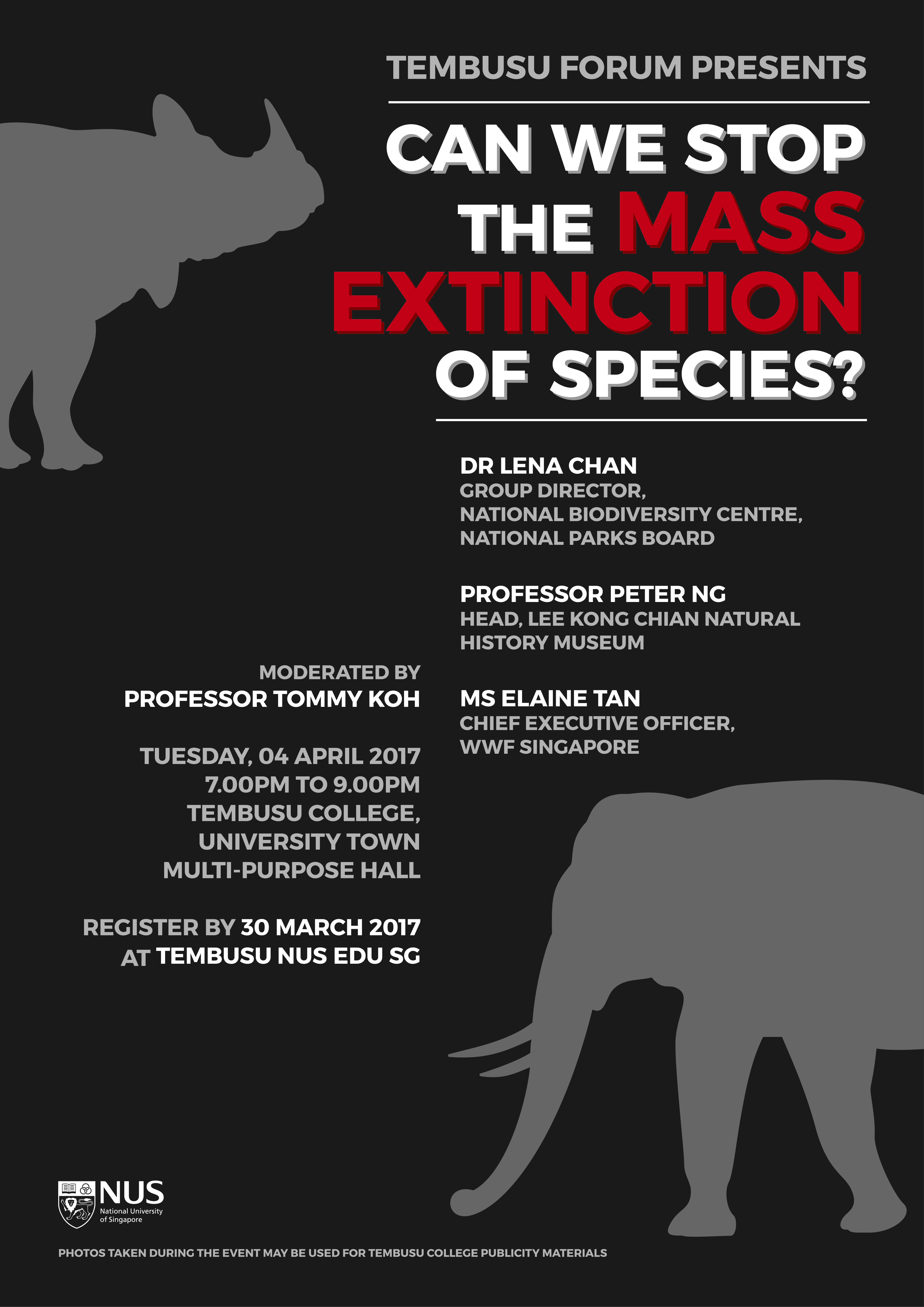
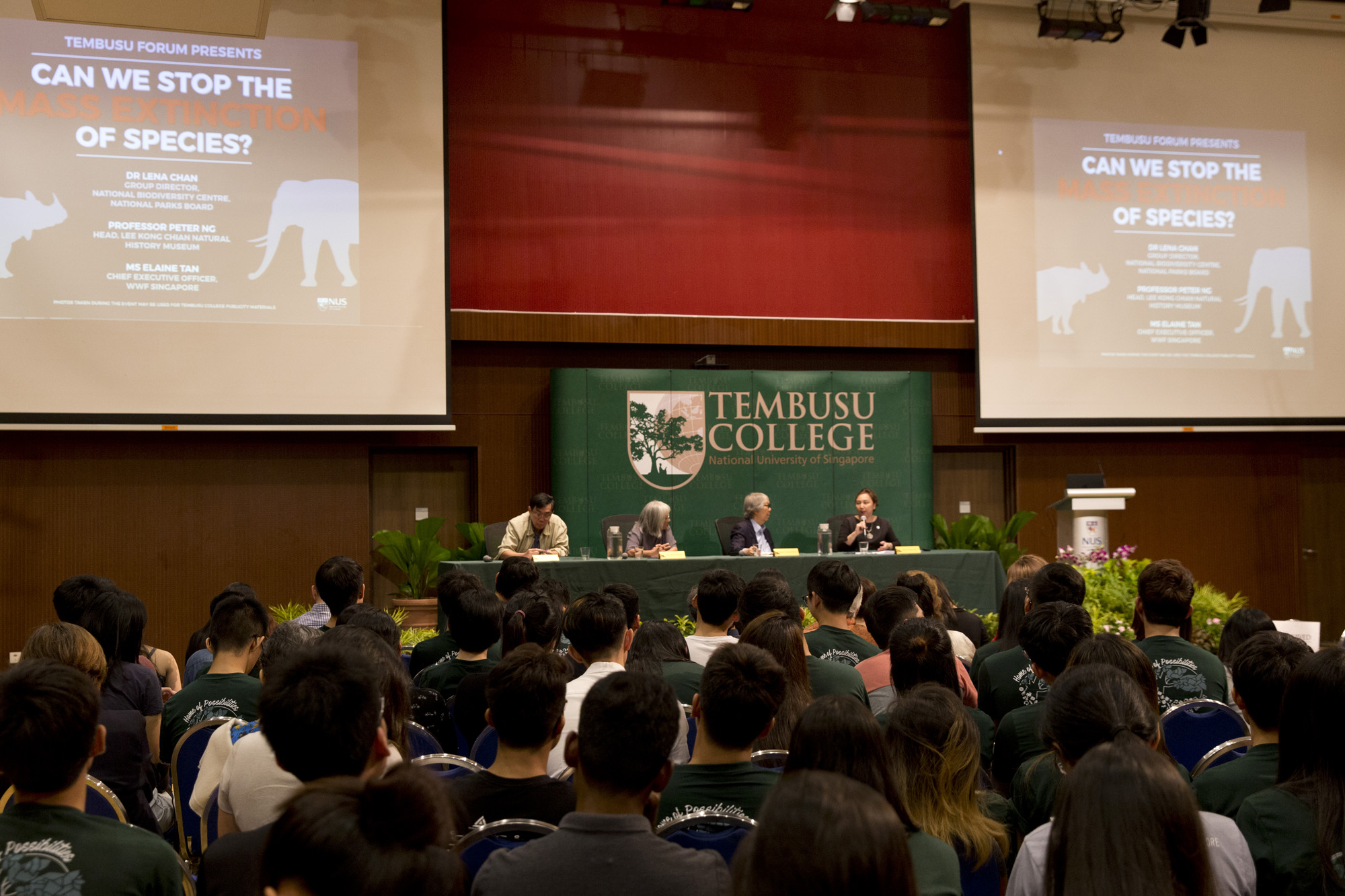
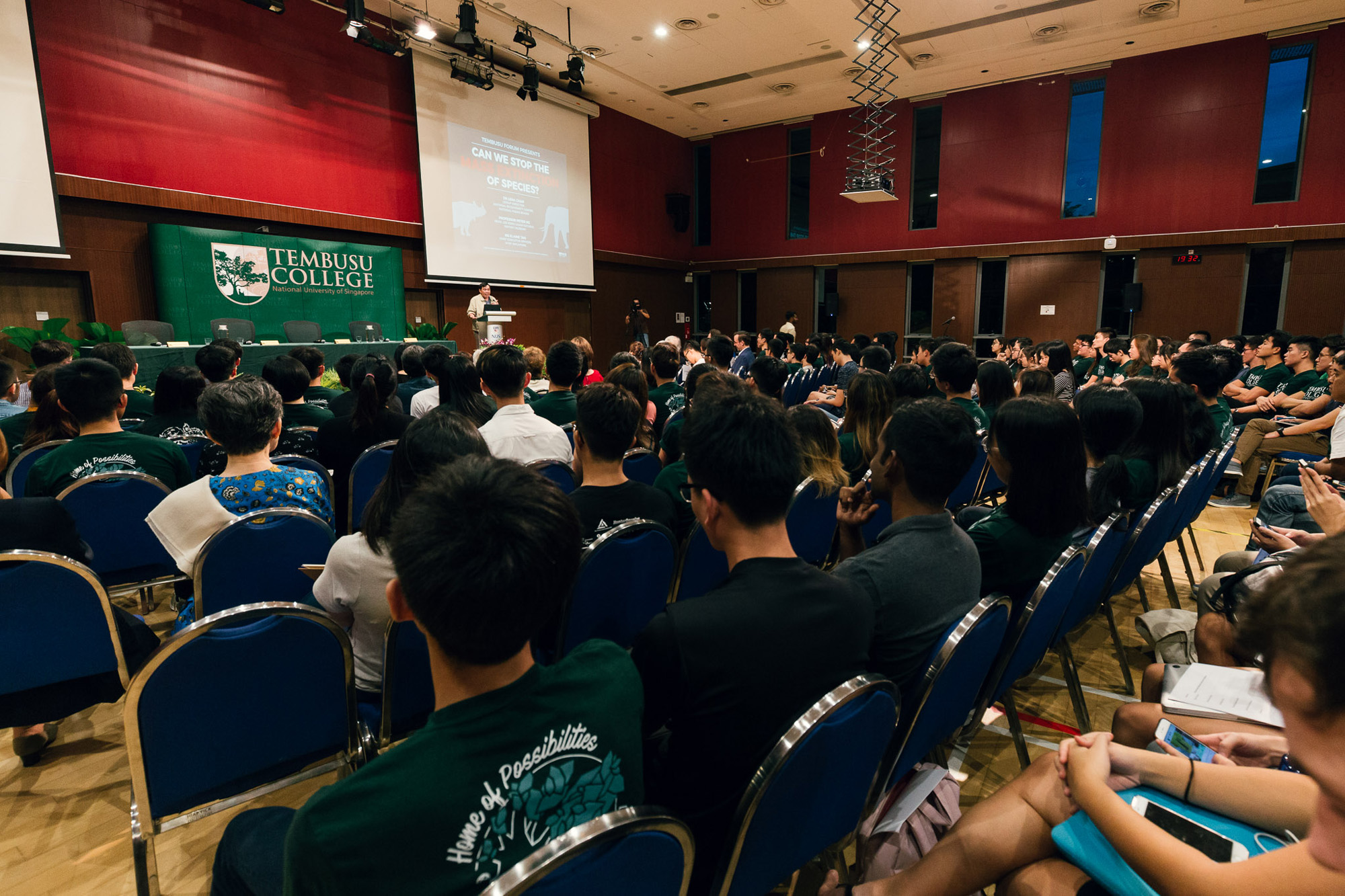
Can We Stop the Mass Extinction of Species?

Click to enlarge
PROGRAMME:
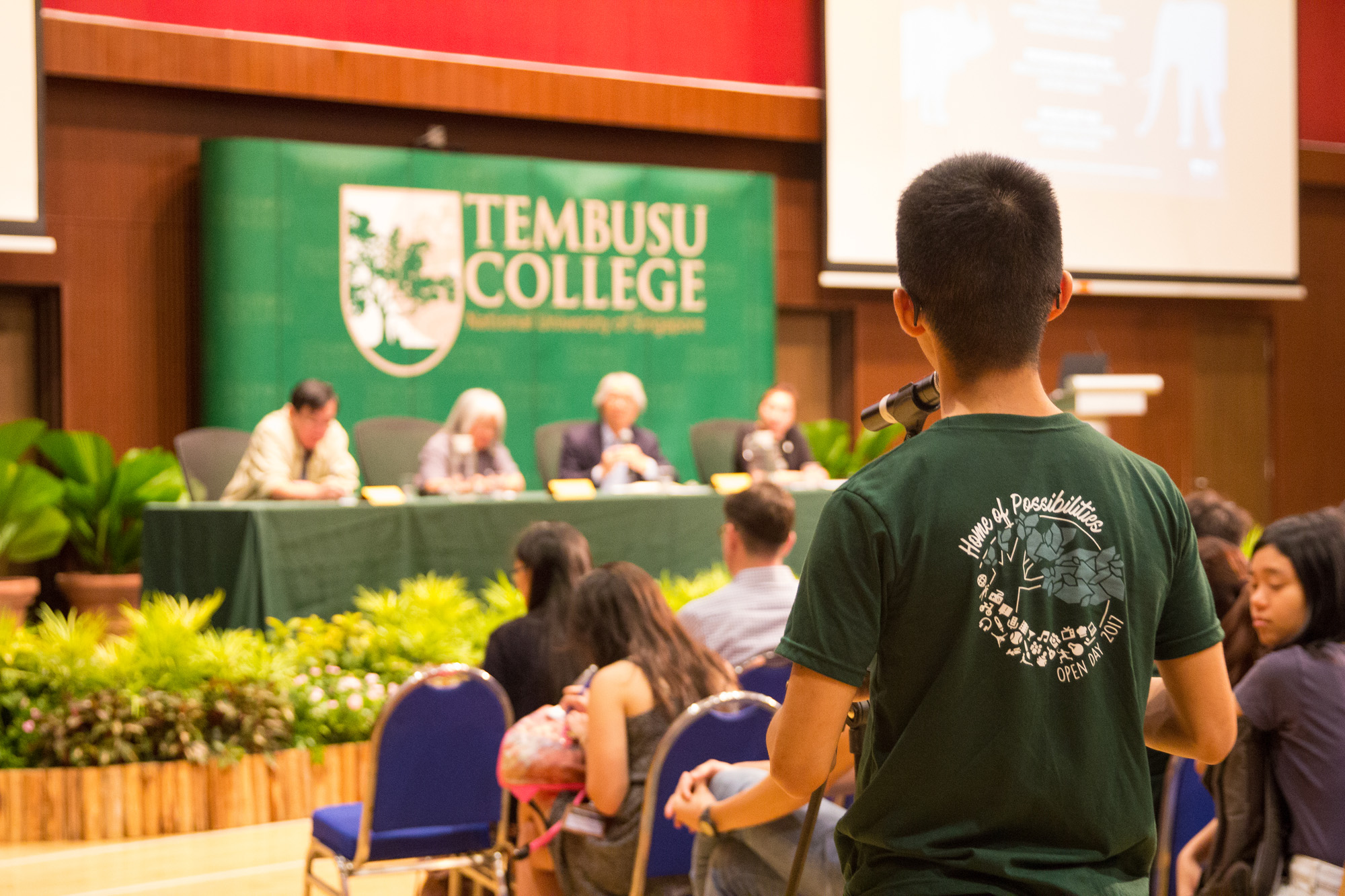
6.50pm: All to be seated in Tembusu College Multi-purpose Hall
7.00pm: Assoc Professor Gregory Clancey, Master of Tembusu College, will introduce the Tembusu Forum
7.05pm: Professor Tommy Koh, Rector of Tembusu College, will introduce the topic and speakers
7.15pm: Ms Elaine Tan
7.30pm: Professor Peter Ng
7.45pm: Dr Lena Chan
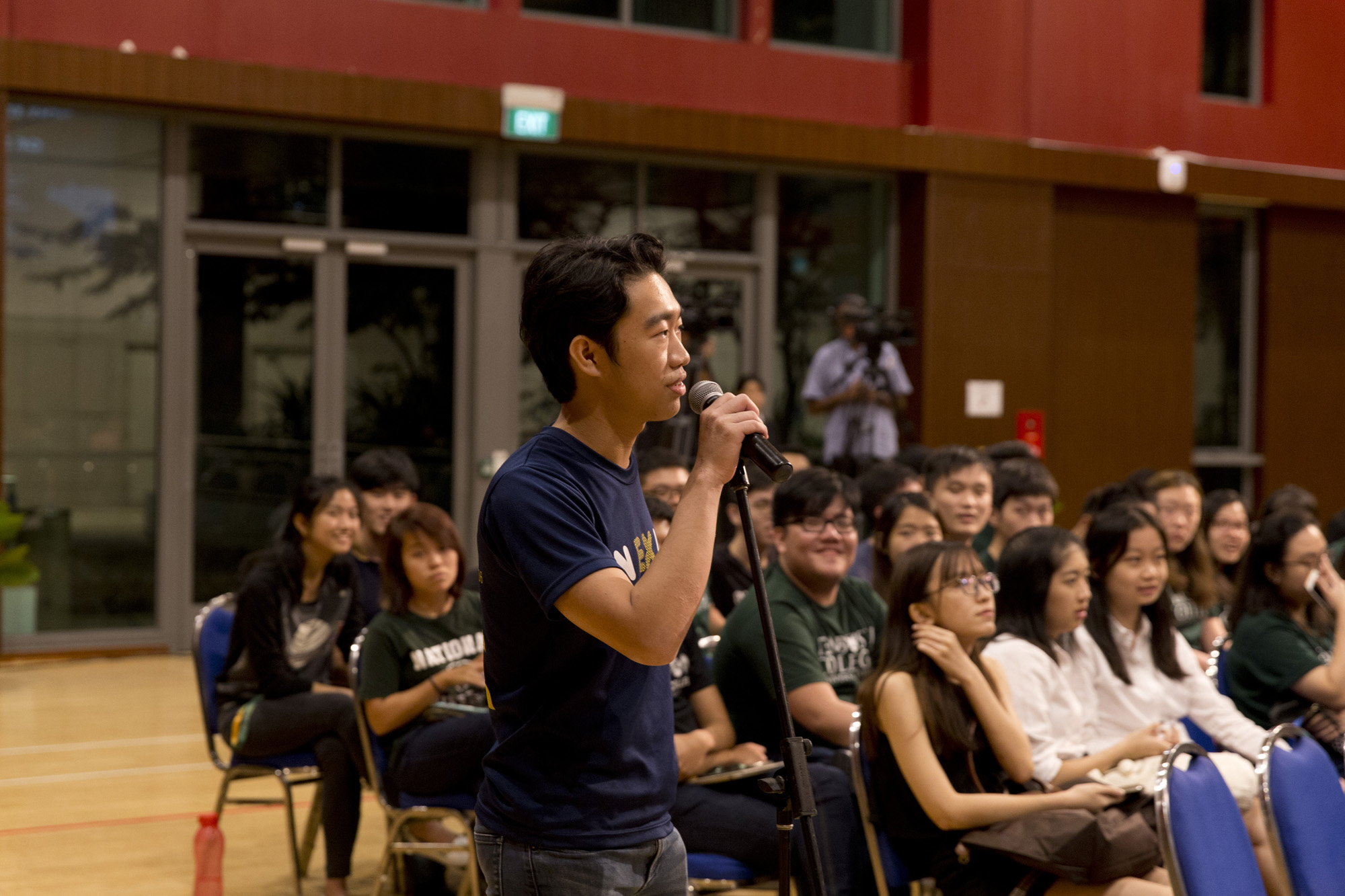
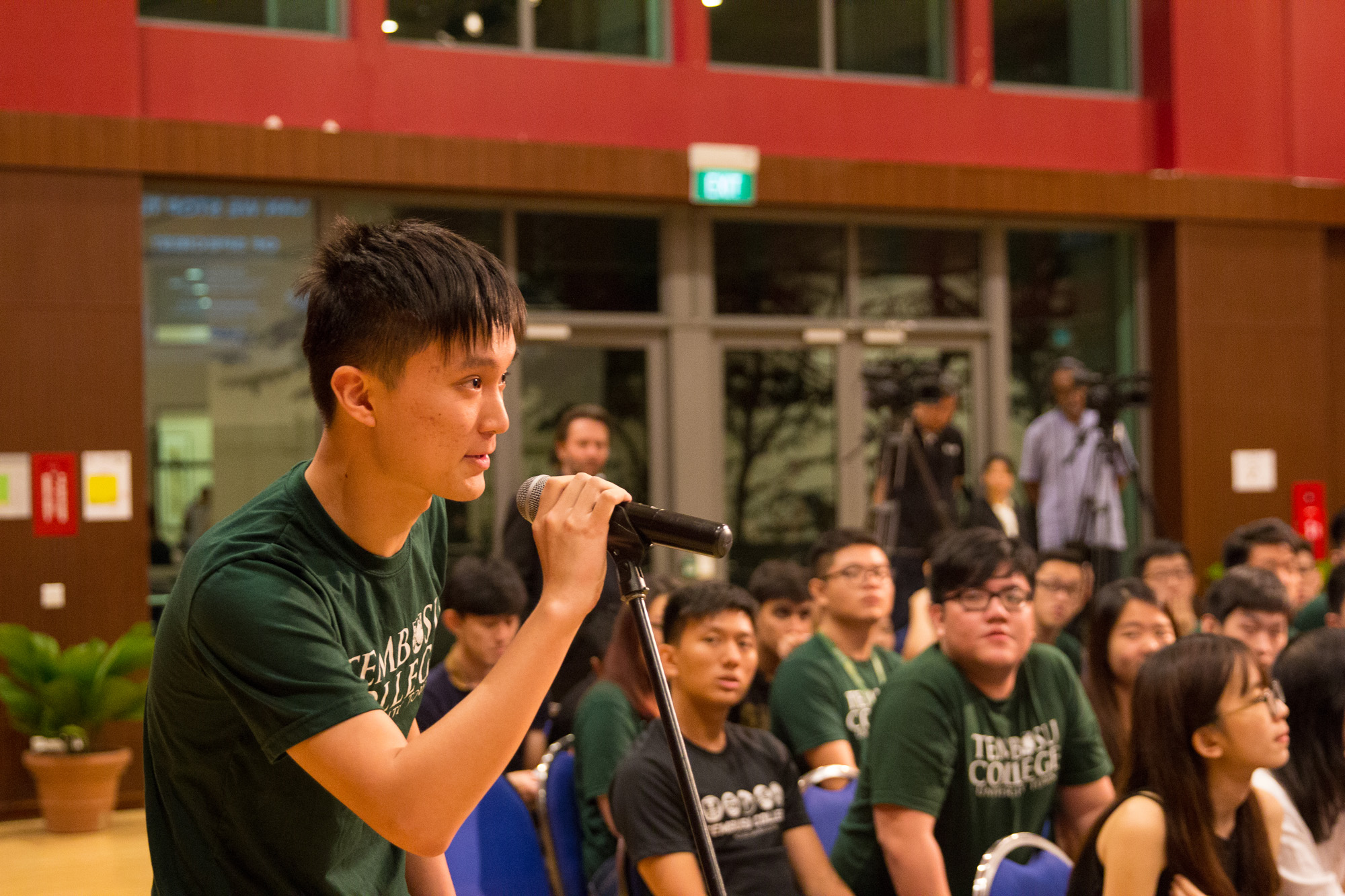
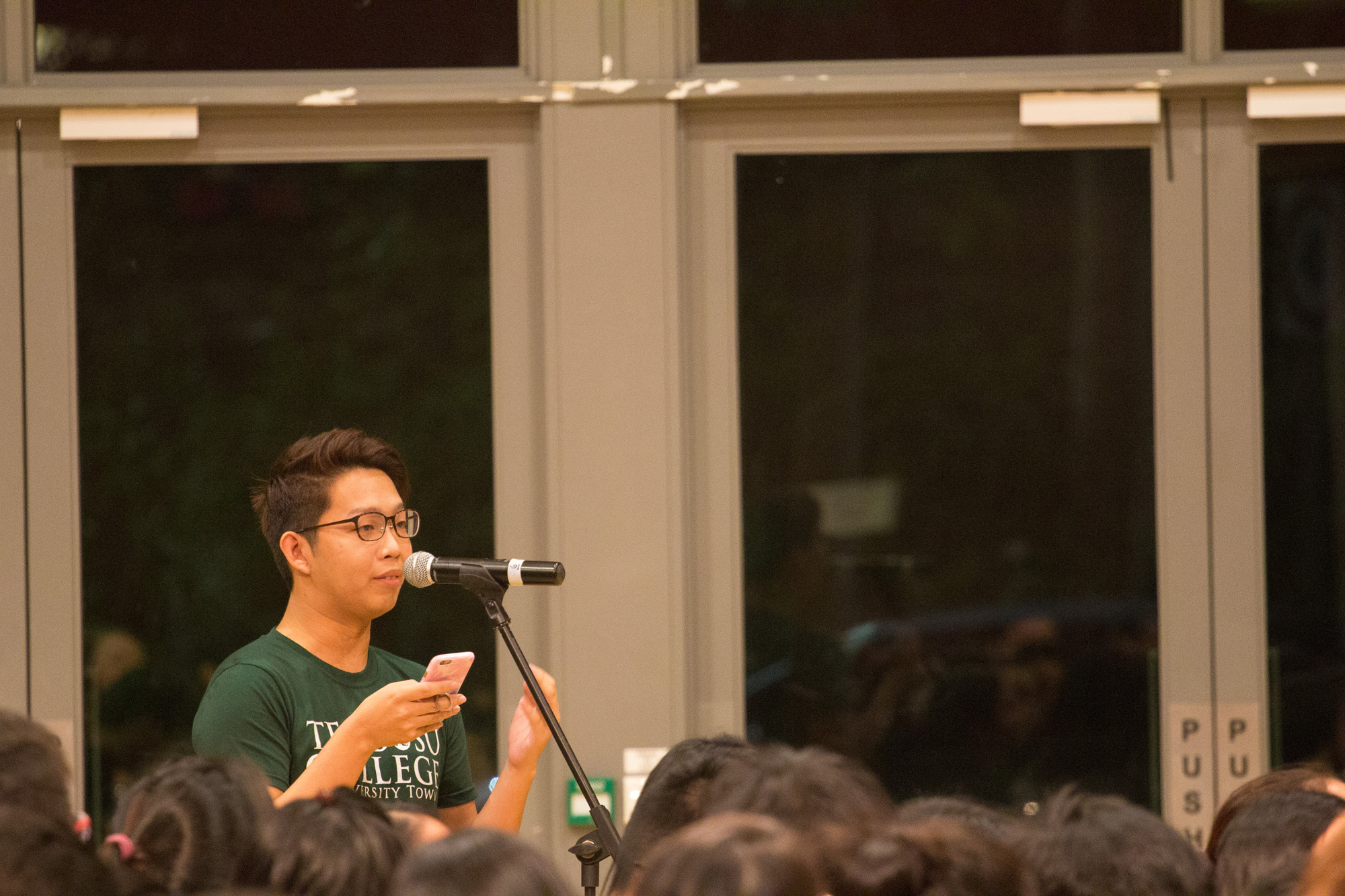
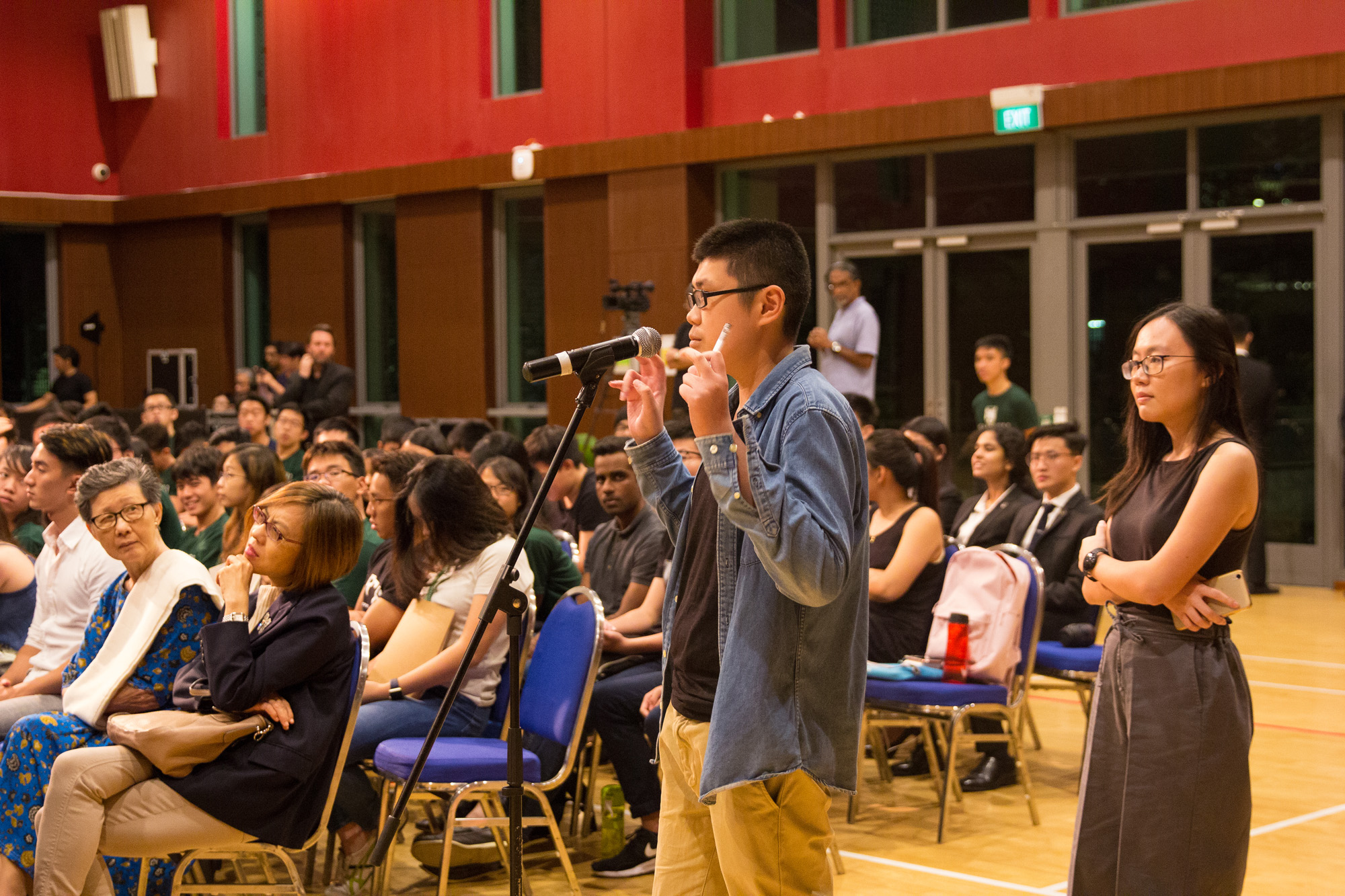
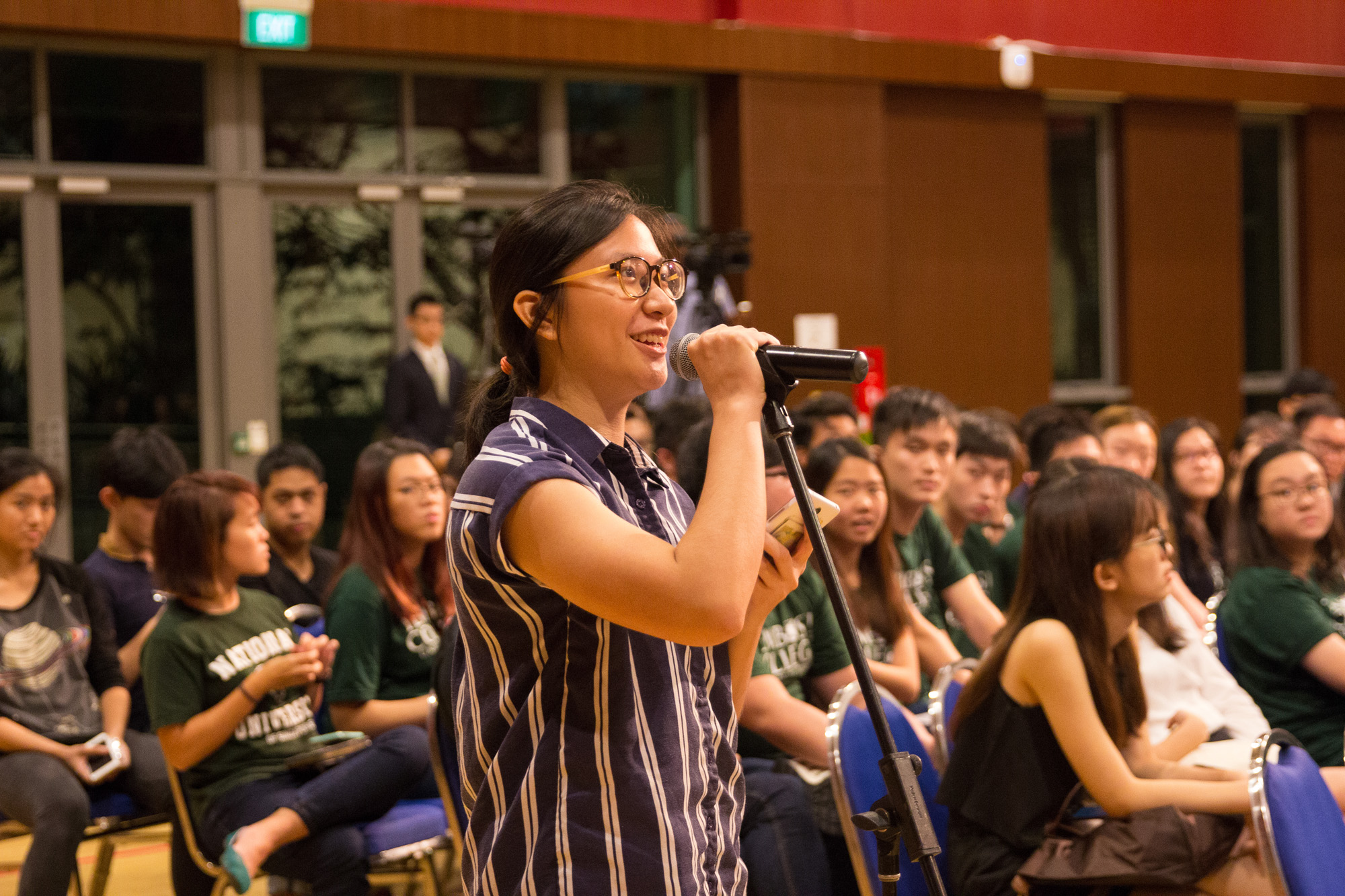
8.00pm: Question & Answer session with students
8.45pm: Concluding remarks by 3 speakers and Prof Koh
9.00pm: End of forum
BRIEF BIOGRAPHY OF SPEAKERS:

Dr Lena Chan, as the Group Director (National Biodiversity Centre), National Parks Board, helms a team of officers who are responsible for a diverse range of matters pertaining to biodiversity conservation.  She is a member of the advisory committee for the Cities and Biodiversity Outlook for the Convention on Biological Diversity and a member of the advisory board for the Biophilic Cities Network.

Dr Chan obtained her M.Sc. from McGill University, Canada, and her Ph. D. from Imperial College, the United Kingdom.   She worked on the Malaysian Conservation Strategy funded by World Wide Fund for Nature (Malaysia) from 1981 to 1987.  She has published numerous scientific papers and book chapters on conservation biology and ecology.

For the Tembusu Forum, Dr Chan will argue that mass extinction of the species is a sweeping statement that is meaningless.  Some of the larger animals might be threatened, as their survival requires large areas and also connecting migratory routes.  However, we continue to discover new species, make re-discoveries and new records, when we carry out biodiversity surveys.  The long-term survival of species depends on the intactness of the ecosystems that harbour them, even in cities.  We should continue to enhance, enrich and re-create a diversity of habitats for species as they are essential for the quality of life and our survival.

Professor Peter K. L. Ng is Head of Lee Kong Chian Natural History Museum, and Professor at the Department of Biological Sciences, Faculty of Science, National University of Singapore (NUS). He is a world-renowned expert in aquatic biodiversity, particularly in the systematics and diversity of decapod crustacean (crabs, lobsters, prawns). His scientific contributions have firmly established NUS and Singapore as a significant regional and international centre for carcinology (study of crustaceans). His standing in the regional and international scientific research community and close links to an extensive network of regional/international colleagues and collaborators, have also led to his being a key driver of/participant in various high profile multi-national collaborations and initiatives including: 1) Expedition Anambas (2002), a scientifically highly fruitful biological exploration of the Indonesian islands of Anambas and Natuna involving scientists and managers from almost all the South China Sea (SCS) states, which stemmed from the Workshop on Managing Potential Conflicts in the South China Sea; 2) various multinational research expeditions to megadiverse marine biodiversity hotspots such as the Philippines; and 3) various ASEAN and international workshops.

For the Tembusu Forum, Professor Ng will take the position that the “spate of mass extinctions, while tragic, is far from fatal to Planet Earth and life as a whole. It has happened before and will happen again. Nothing lasts forever anyway – not even species. So we should just be practical and not get overly sentimental or emotional. Whatever will be, will be – must be.”

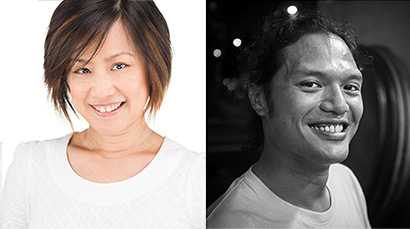
Ms Elaine Tan is the CEO of WWF-Singapore (World Wide Fund for Nature Singapore), the world’s largest conservation organisation with offices in about 100 countries.

With a 25-year career in strategic communications and leadership management, Elaine joined WWF in 2011 with valuable experience from the non-governmental organisation (NGO) and public sectors. Since joining WWF-Singapore, the organisation has grown its supporter and donor base to more than 90,000 and established itself as the go-to international NGO on environmental and conservation issues. Against a backdrop of complex environmental challenges and increased pressure on natural resources, WWF-Singapore works with stakeholders such as governments, corporates and communities to build a more sustainable future for Singapore.

In her larger remit to WWF globally, she is a Board Member of Earth Hour Global (the world’s largest ground-up movement for the environment) and a member of the Senior Executive Team of WWF’s Asia Pacific regional growth and strategy group, which oversees conservation funding for 20 offices across the region.

Elaine’s other achievements include successes with World Vision, an international humanitarian organisation. She led its fundraising, corporate marketing and communications team, and was responsible for the significant financial and donor growth of World Vision’s office in Singapore from 2004 to 2009.


You can find the writeup on the Forum here: Mass extinction analysed and NUS Newsletter, page 11

The Conservation Conversation now screening!

 photo credit: OKJ Discoveries

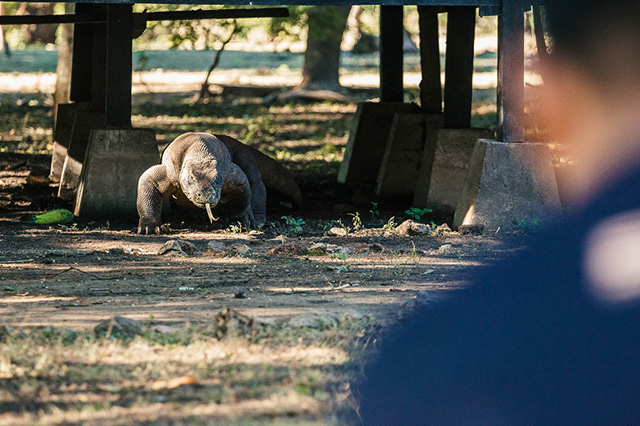
The Conservation Conversation is a documentary based on the pioneering Tembusu College initiated, student-led STEER expedition to Indonesia. It follows 24 curious explorers as they embark on an journey to appreciate the realities and challenges that grapple with conservation efforts in the modern day.

It was selected to be the opening film at the inaugural Singapore Eco Film Festival, on 12 November 2016, at the ArtScience Museum.

Watch it at : https://www.youtube.com/watch?v=RgVFVVxWO0s

‘On Places — Becoming Spaces’

Dr Margaret Tan & Dr Jeremy Fernando
Moderated by Ms Yanyun Chen

Henri Lefebvre teaches us that space is not a given: it is, instead, the manner in which one interacts with, relates to, a place that generates this momentary thing called ‘space’. Thus, space is brought forth through one’s act, craft, tekhnē; where something, perhaps even something new — in all its potentiality — is introduced into the world, alongside all its possible consequences.

It is in this spirit that the students in the Singapore as “Model” City? senior seminar embark on their intervention projects; where they attempted to respond to a place, open a relation — thus, always already a question — with it, whilst keeping in mind that any response entails being responsible; not just to the people who might have been there, not just to the place, but to the very space that is created.

In this panel, Margaret Tan will reflect on the questions behind the quest of the seminar: in particular, the diacritical marks which haunt its title. After which, Jeremy Fernando will attempt to meditate on the notion of interventions, on the relationship between the one who intervenes and the site of the intervention. They will conclude by presenting various interventions that have been made by their students over the various semesters.

Jeremy Fernando is the Jean Baudrillard Fellow at the European Graduate School, where he is also a Reader in Contemporary Literature & Thought. He works in the intersections of literature, philosophy, and the media; and has written sixteen books — including Reading Blindly, Living with Art, Writing Death, and in fidelity. His works has been featured in magazines and journals such as Berfrois, CTheory, TimeOut, and VICE, amongst others; and he has been translated into Japanese, Italian, Spanish, and Serbian. Exploring other media has led him to film, music, and art; and his work has been exhibited in Seoul, Vienna, Hong Kong, and Singapore. He is the general editor of both Delere Press and the thematic magazine One Imperative; and is a Fellow of Tembusu College at the National University of Singapore.

Margaret Tan is a Fellow and Director of Programmes at Tembusu College, a Research Fellow at Asia Research Institute’s Science, Technology and Society Research Cluster, and the Co-director of the NUS Art/Science Residency Programme, National University of Singapore. She holds a PhD from the Department of Communications and New Media, NUS, a Masters in Interactive Media and Critical Theory from Goldsmiths College, University of London, and a degree in Fines Arts from RMIT/LASALLE College of the Arts. Prior to joining NUS, Margaret lectured on art history and theory, and practised as an artist. Working from a feminist perspective, and with a range of media, her works have been showcased both locally and internationally. Margaret engages art now as a teacher and administrator; she believes strongly in the potential of art in opening up spaces for discourse and contemplation.

Yanyun Chen teaches drawing at Yale-NUS College and Nanyang Technological University in Singapore. Her studio-based practice is driven by questions and craft, through contemplating the relationships between theory, process, method, and the art work. She attempts to open conversations about what it means to draw, read, think, respond. Her works revolve around the themes of suspension and animation of death/dying, memory/memorials, light and atmosphere, and nudity/nakedness/bare. Her works have been exhibited in Singapore, notably ChanHampe Galleries, Visual Arts Development Association Singapore, Jendela (Visual Art Space), and NoiseSingapore. She is a Ph.D. candidate at the European Graduate School in Switzerland, where she also obtained her Masters in Communications. She received the Lee Kuan Yew Gold Medal Award and the Nanyang Scholarship for her Bachelors in Fine Arts [Hons] 1st class from Nanyang Technological University (Singapore); and has been trained at the Florence Academy of Art (Sweden), The Animation Workshop (Denmark), and under puppet makers Miroslav Trejtnar and Zdar Sorm (Czech Republic).
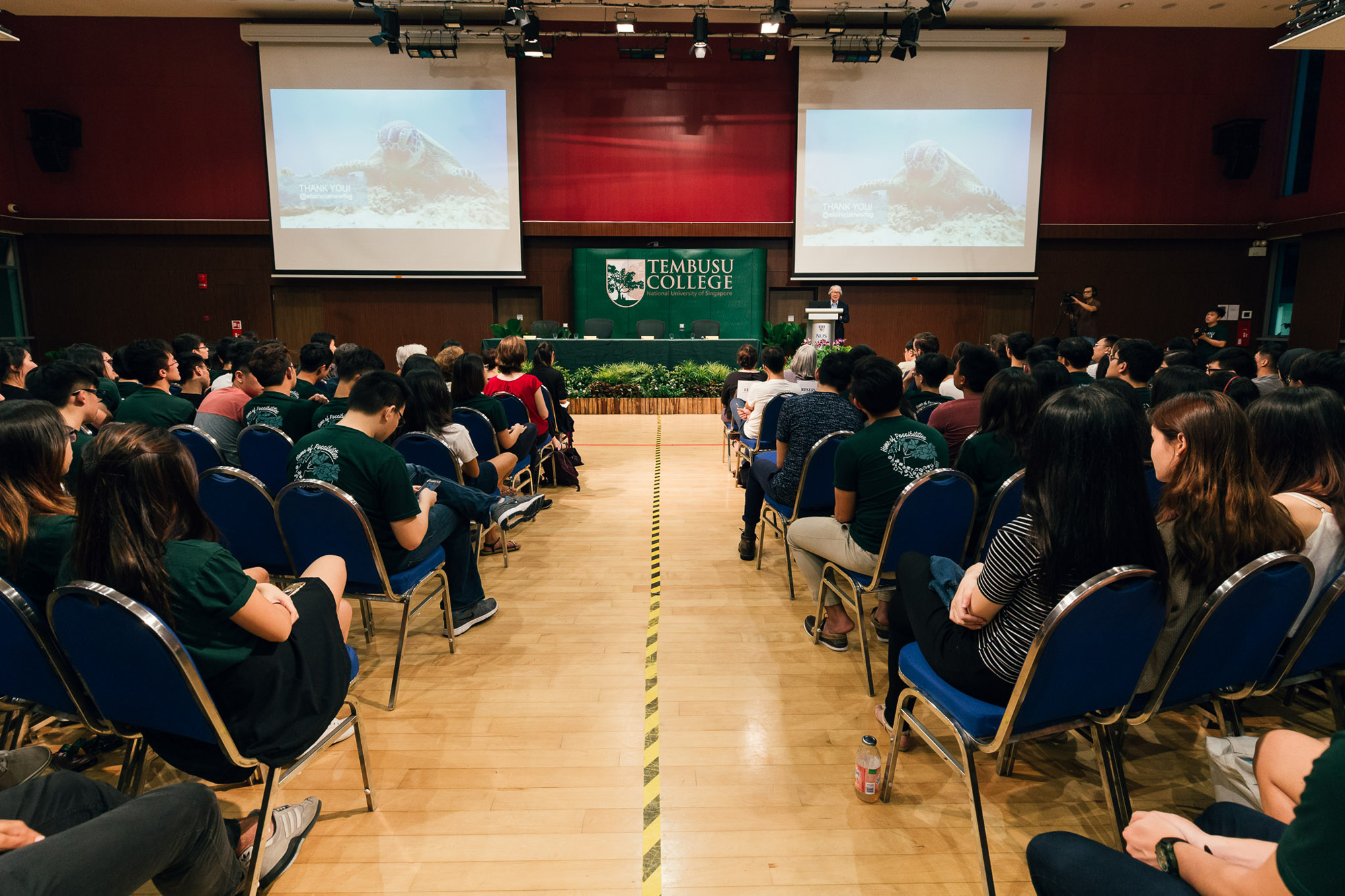
To register, go to: NUS Centre for the Arts