Tembusu College/STEER Komodo Expedition

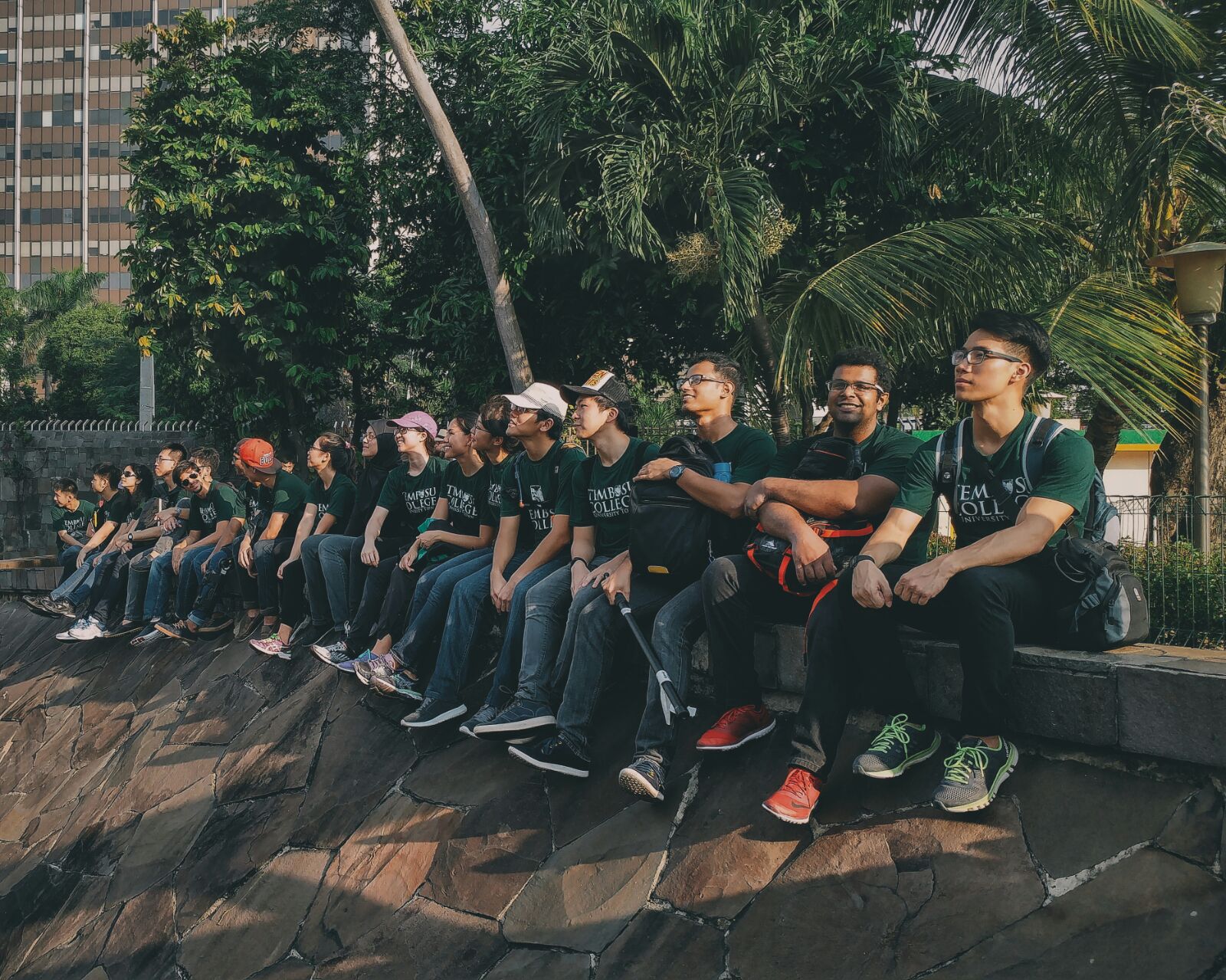
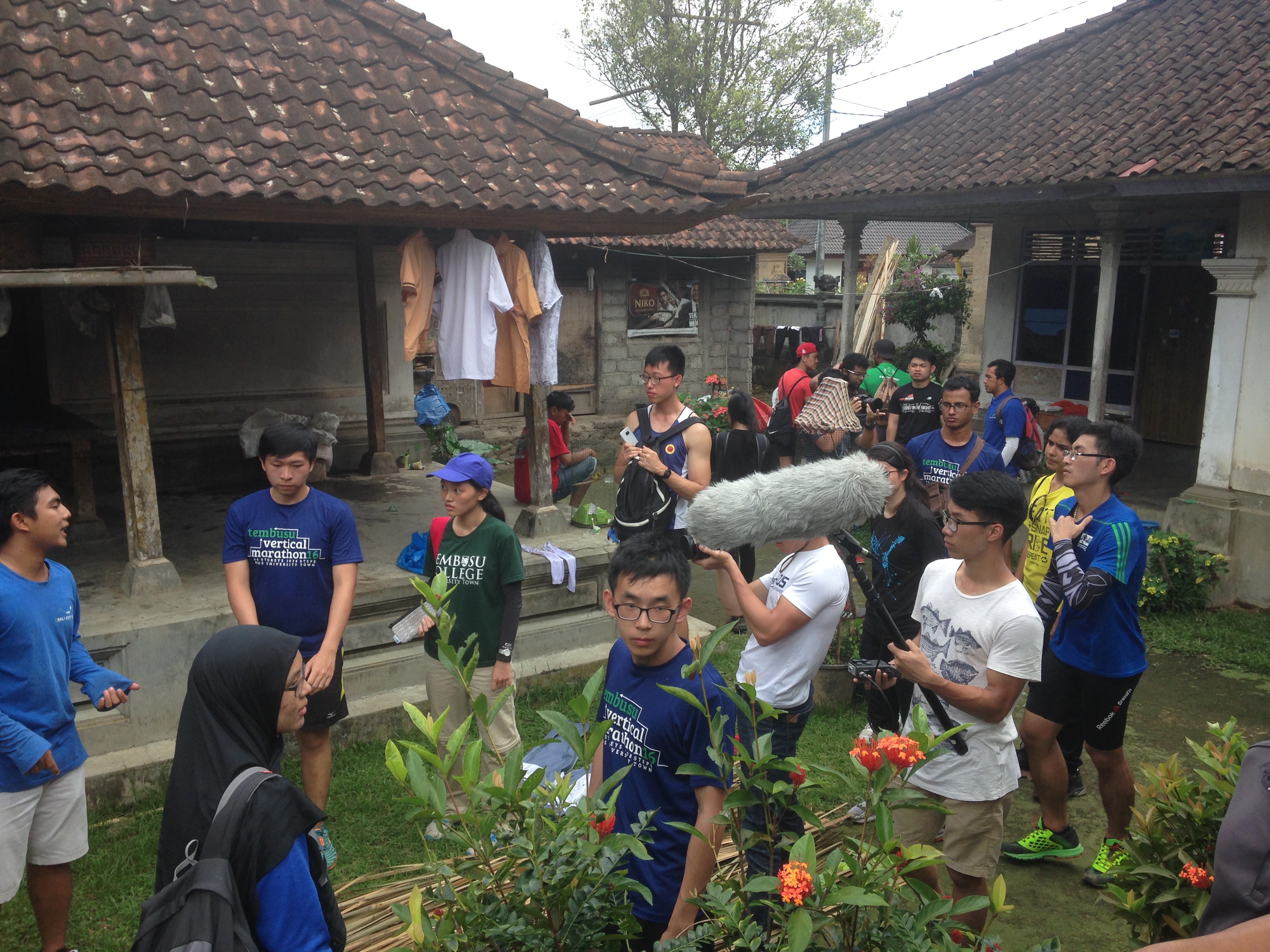
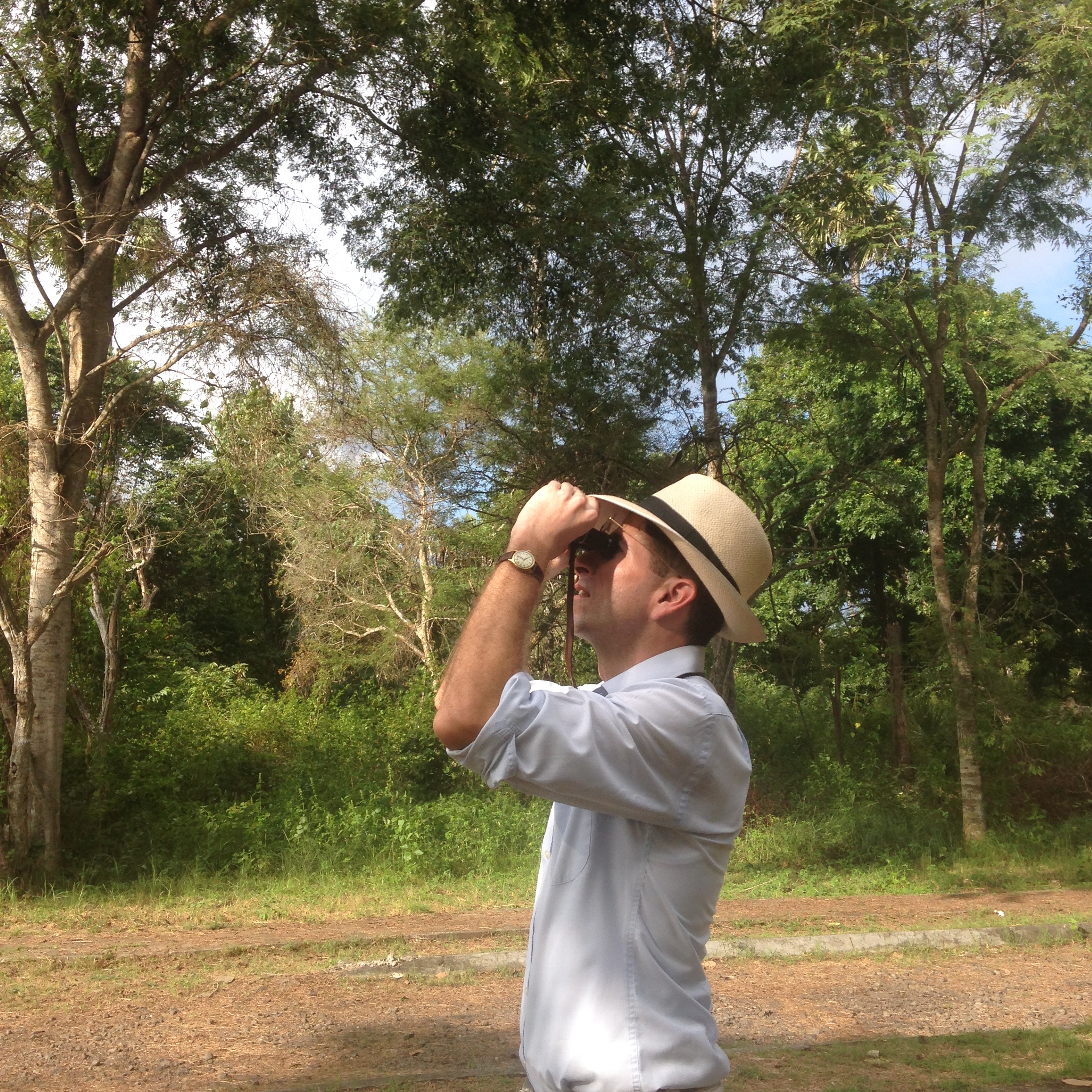
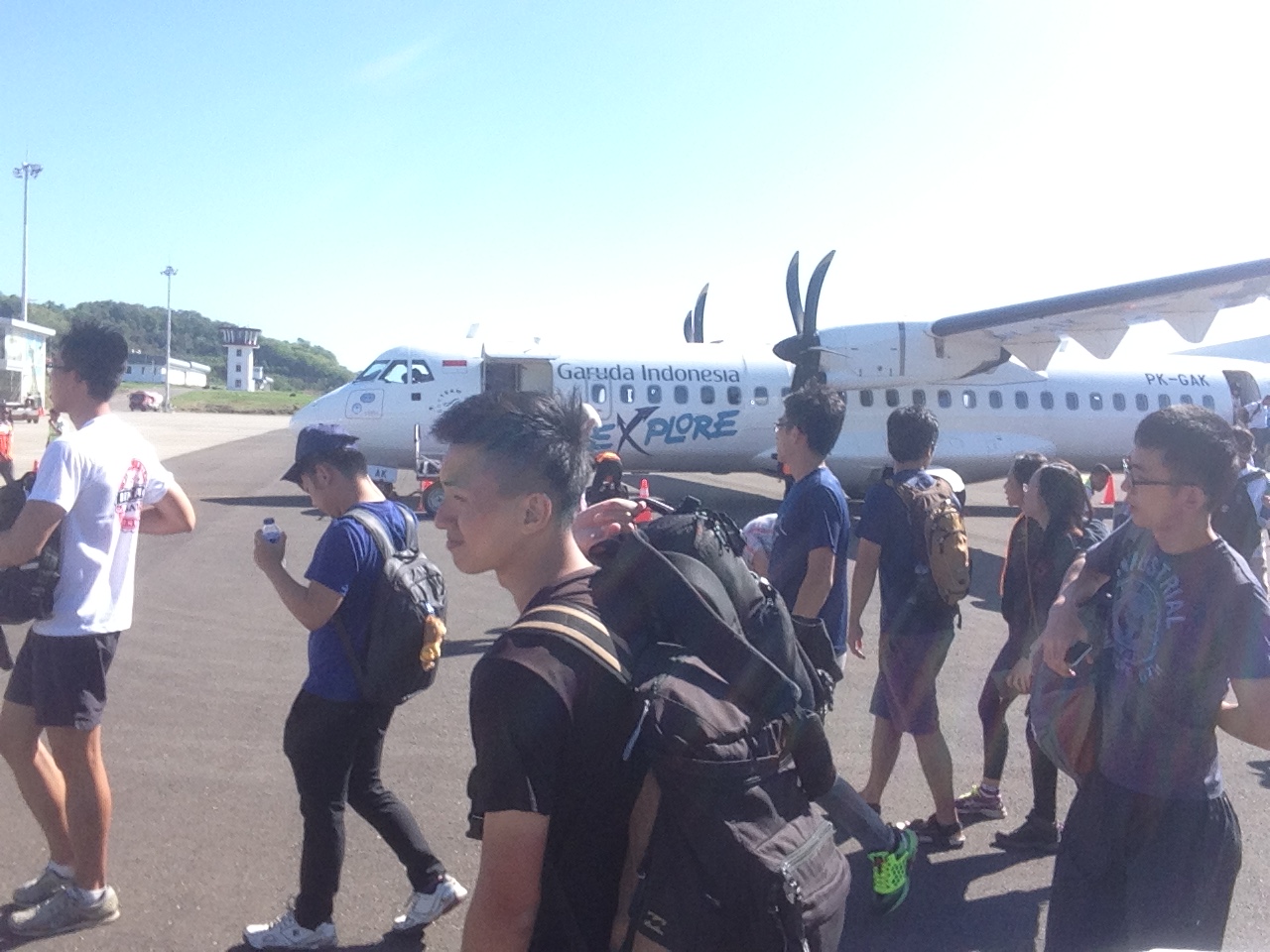
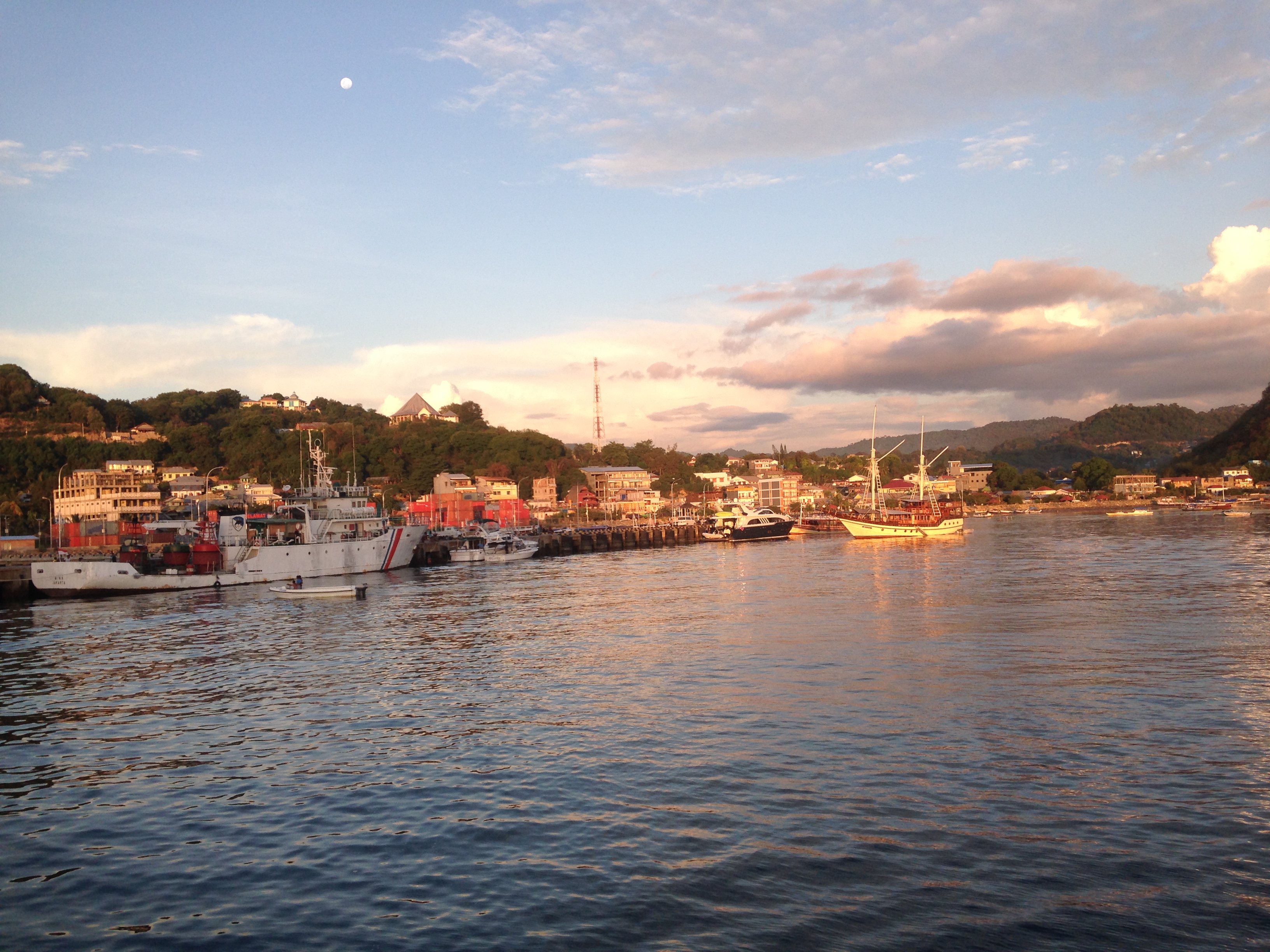
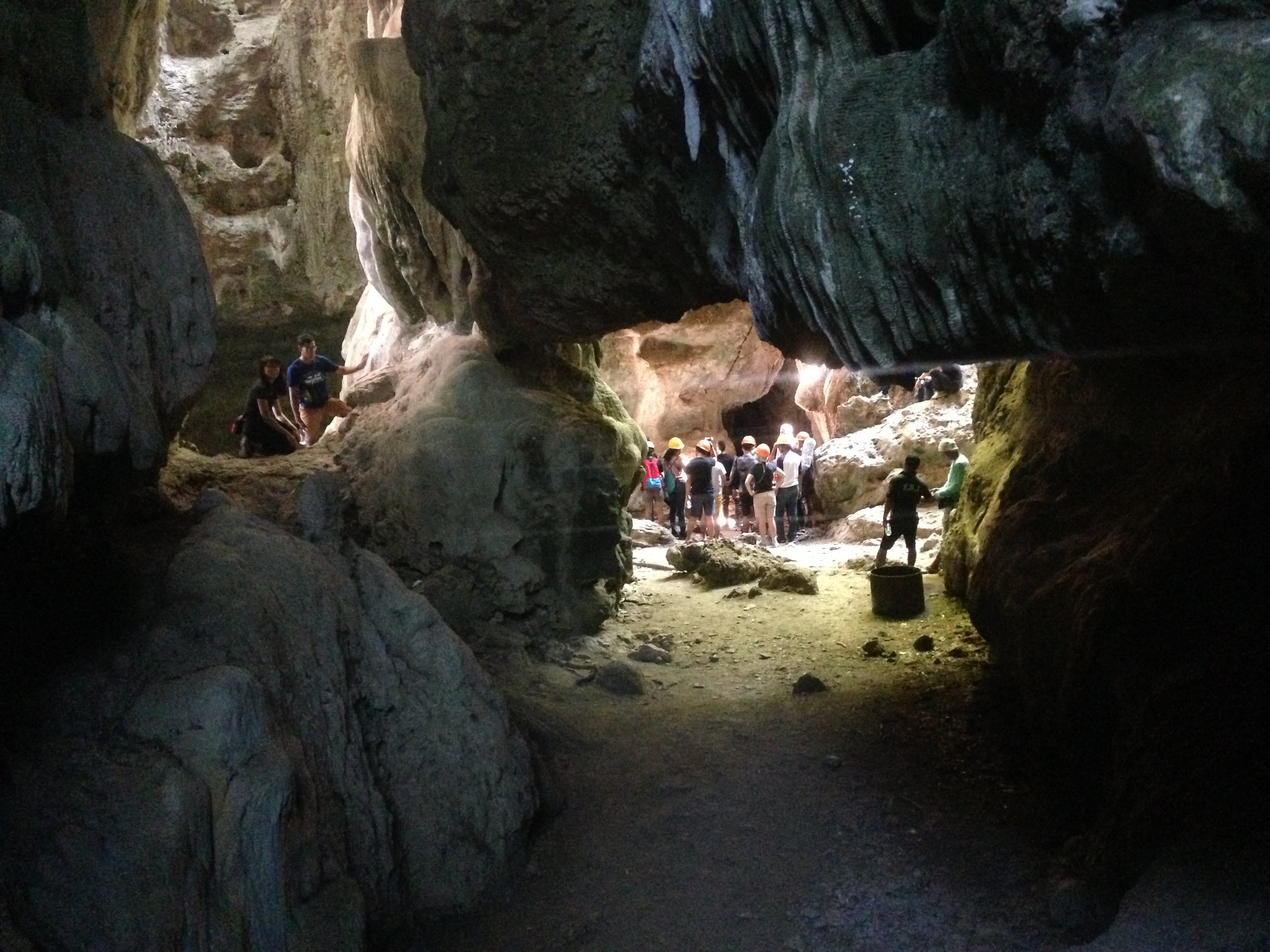
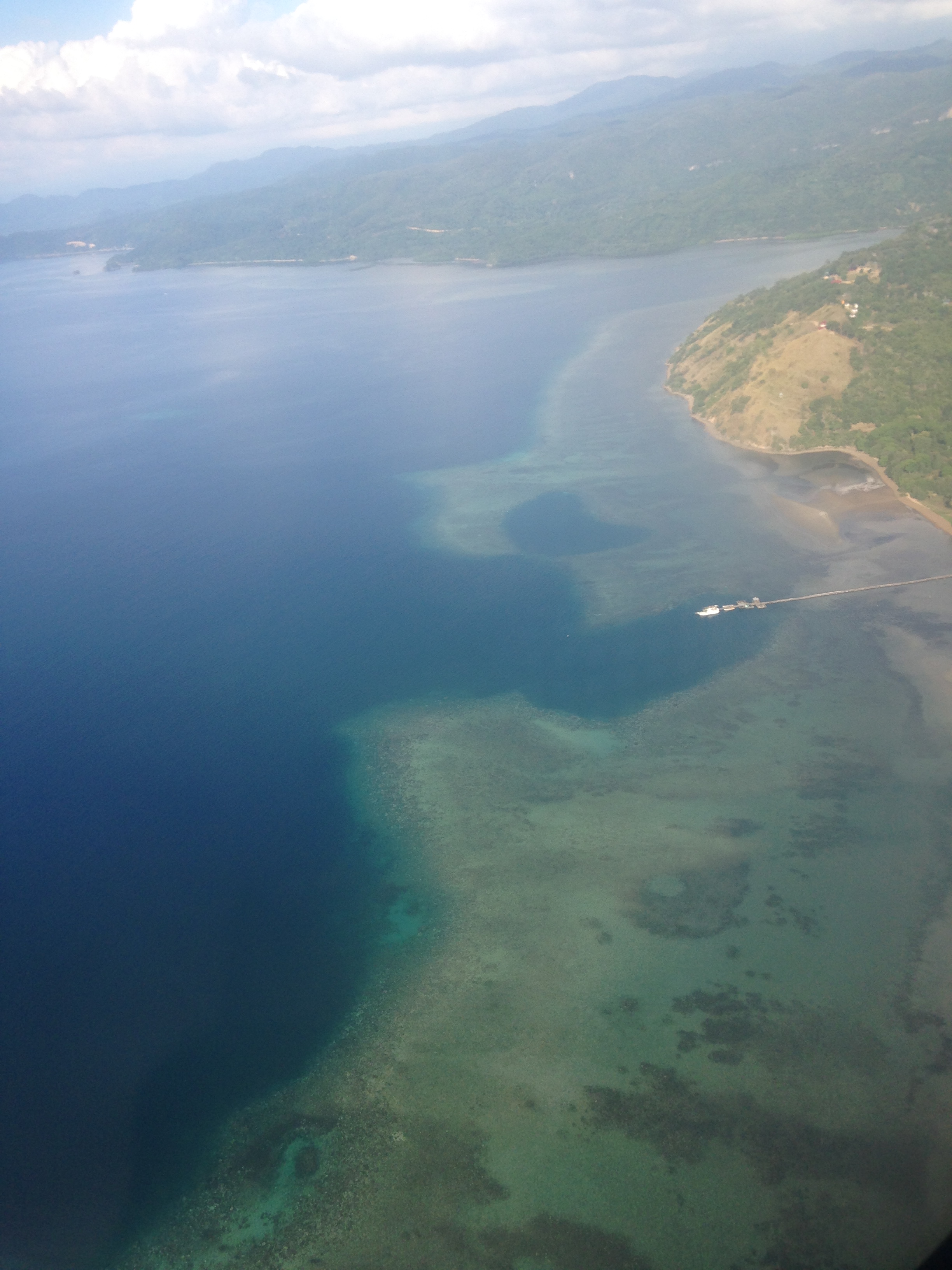
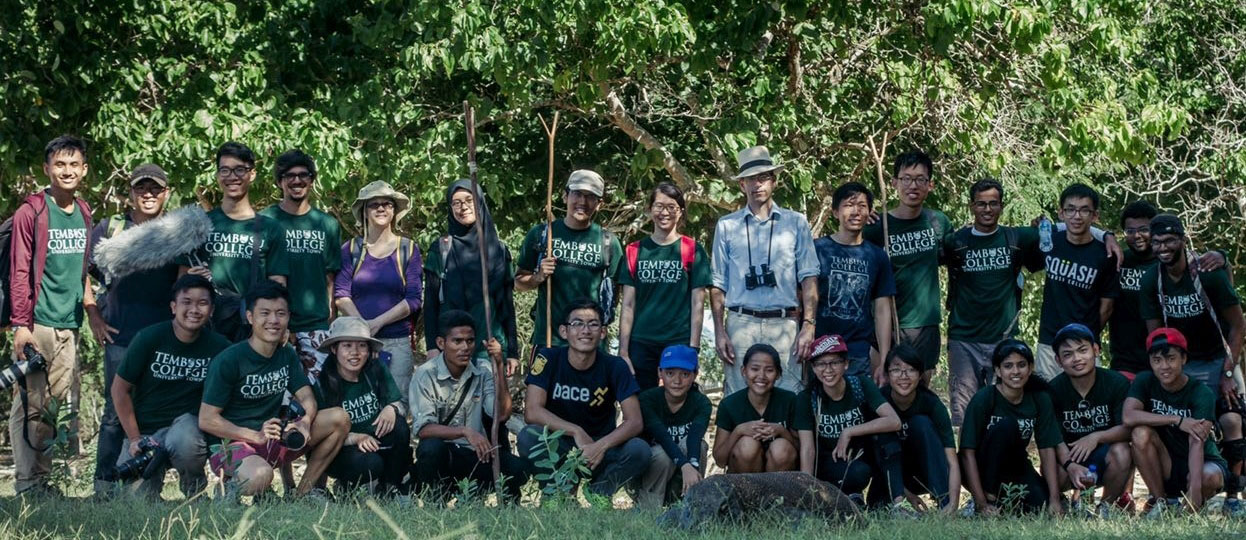
From 9-20 May a group of 24 talented Tembusu College students, led by historian Dr John van Wyhe, conducted an extraordinary expedition through Indonesia to study the state of nature conservation and the famous Komodo dragon.

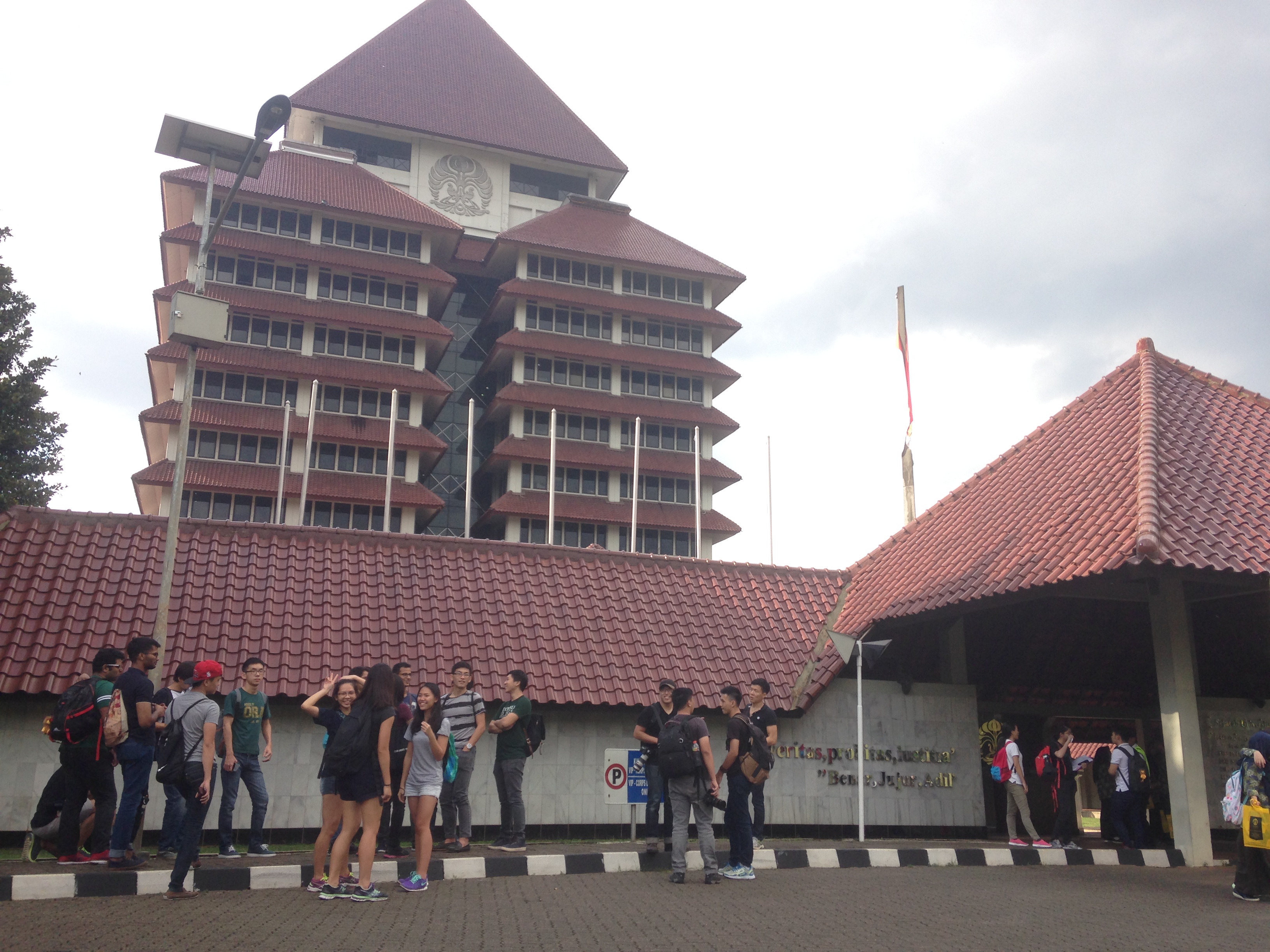
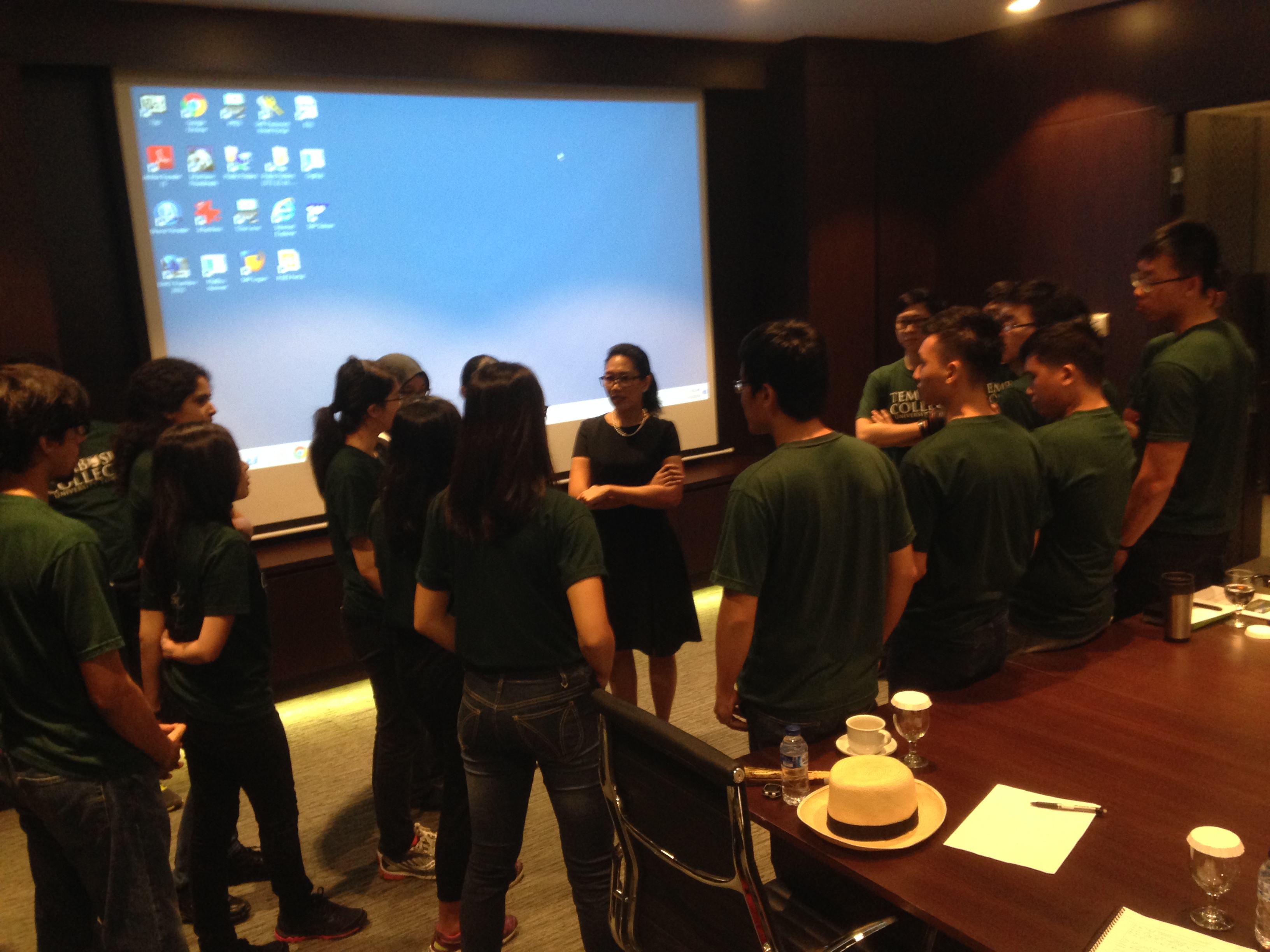
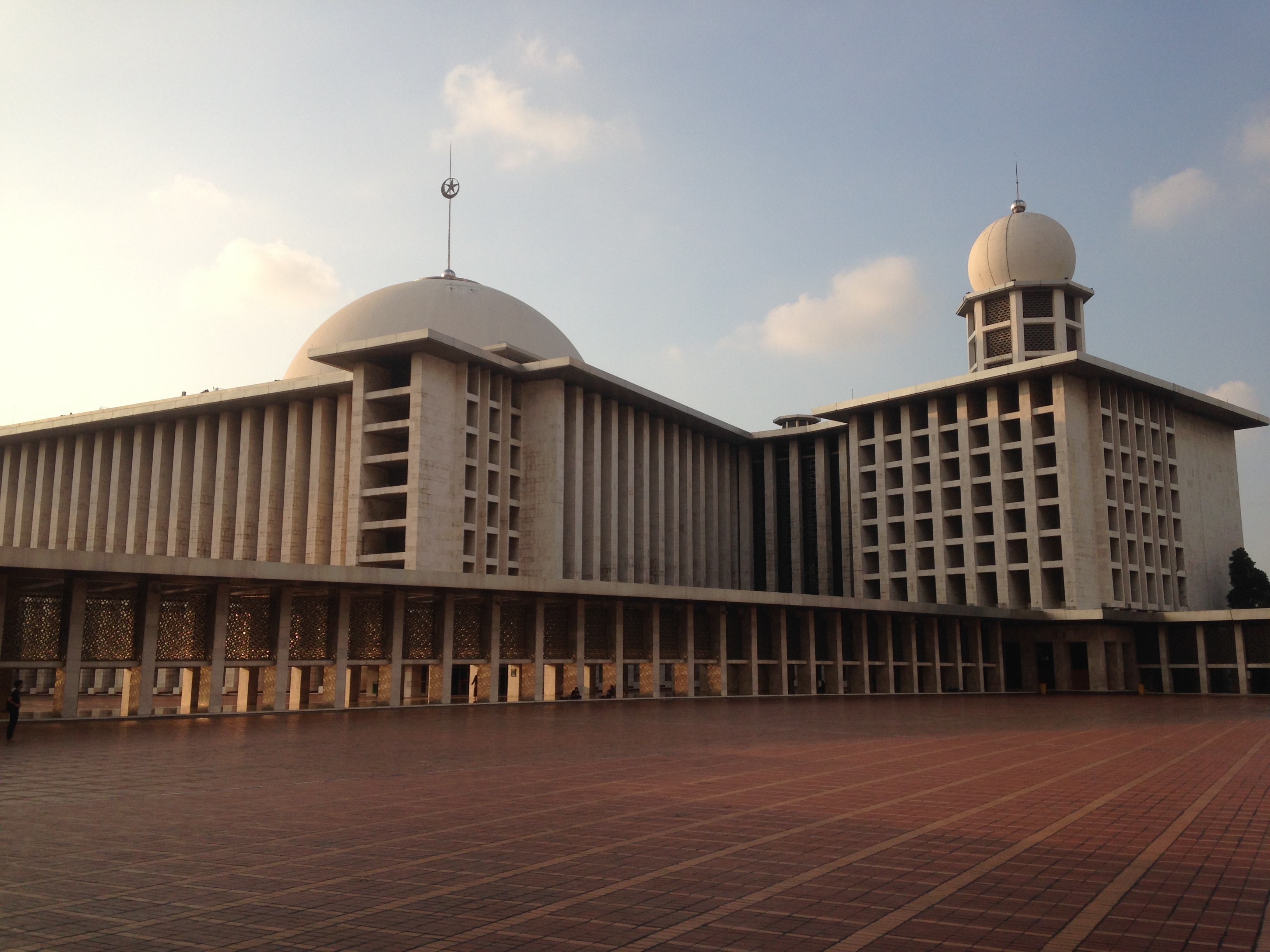
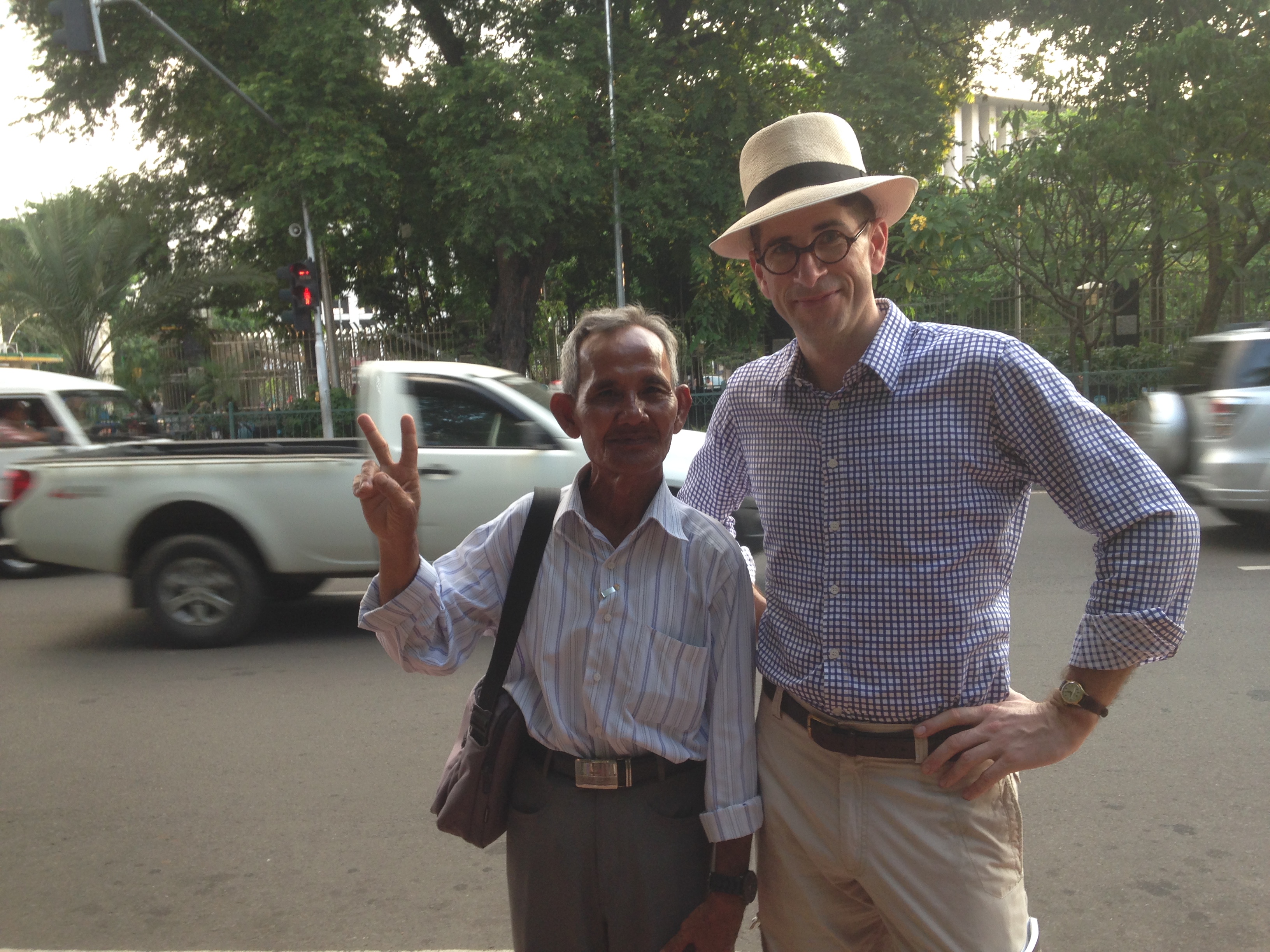
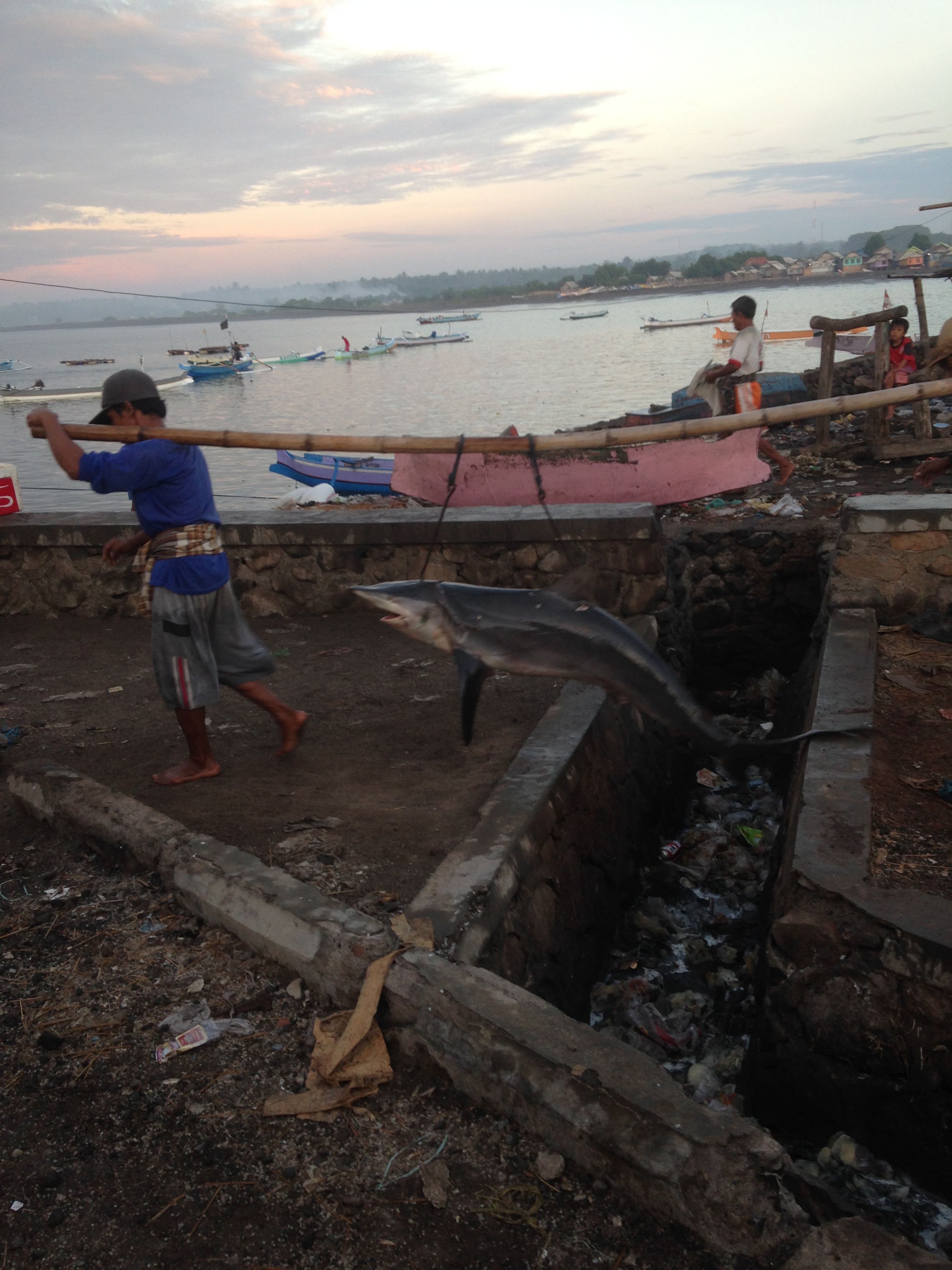
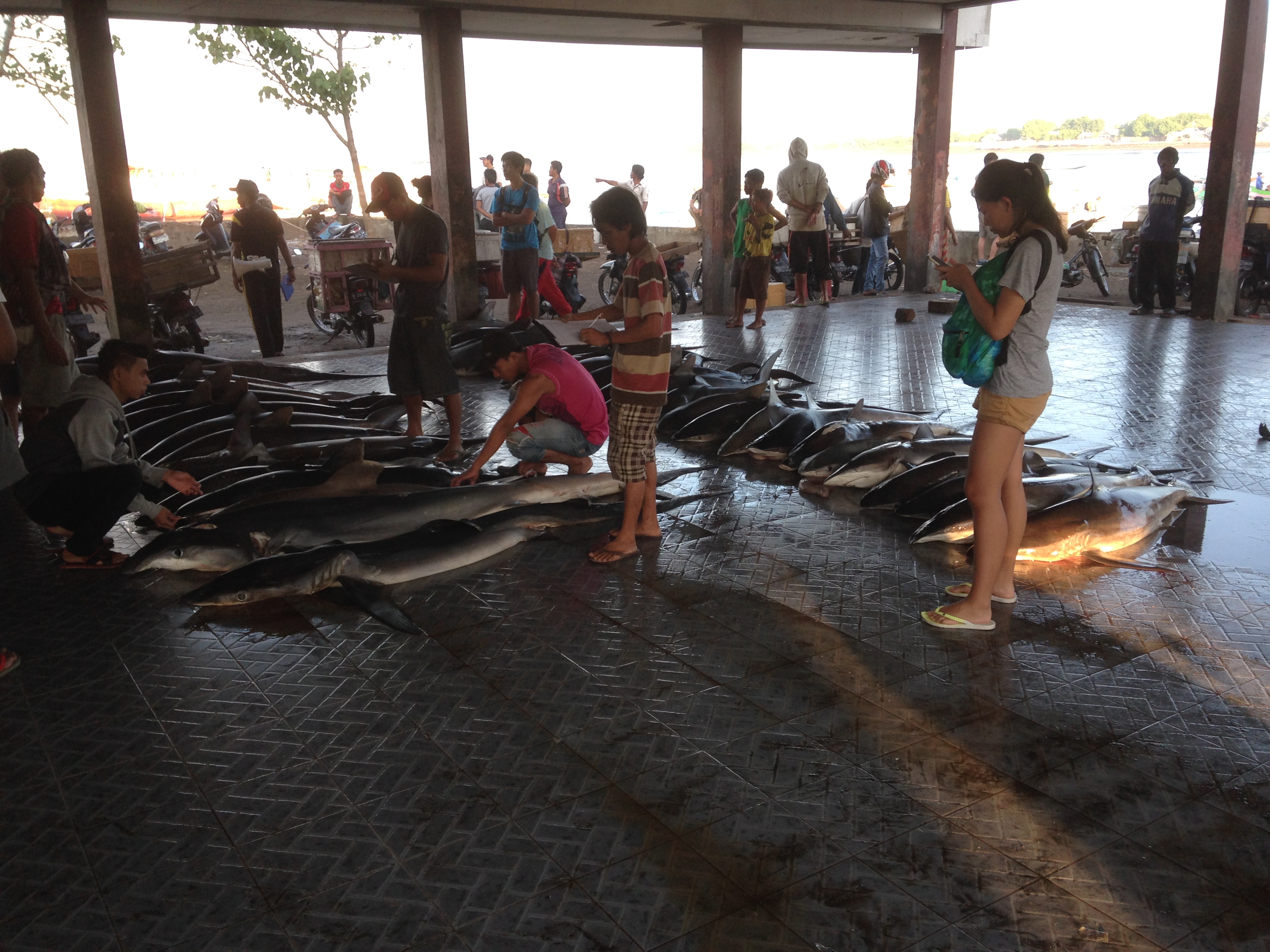
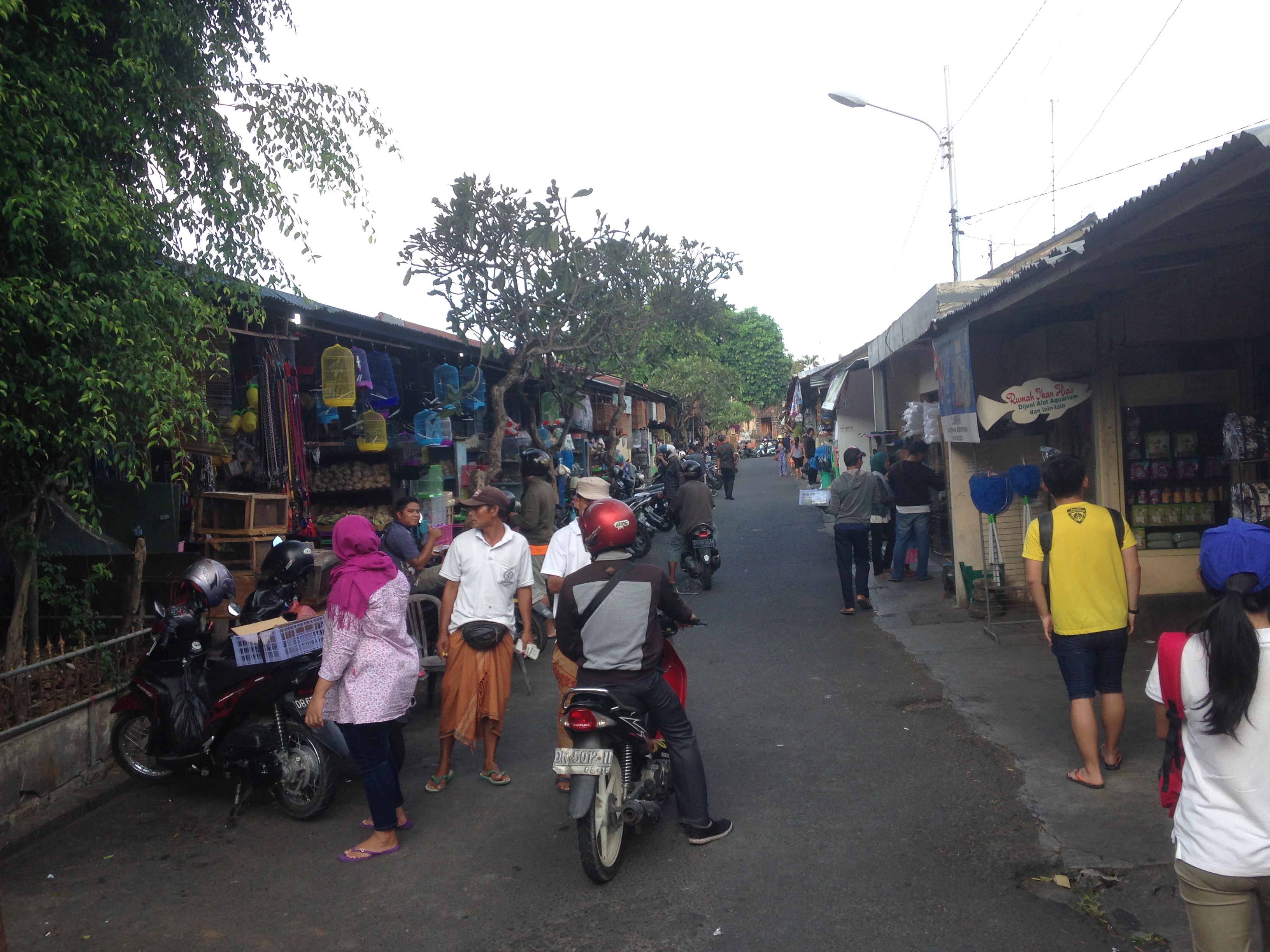
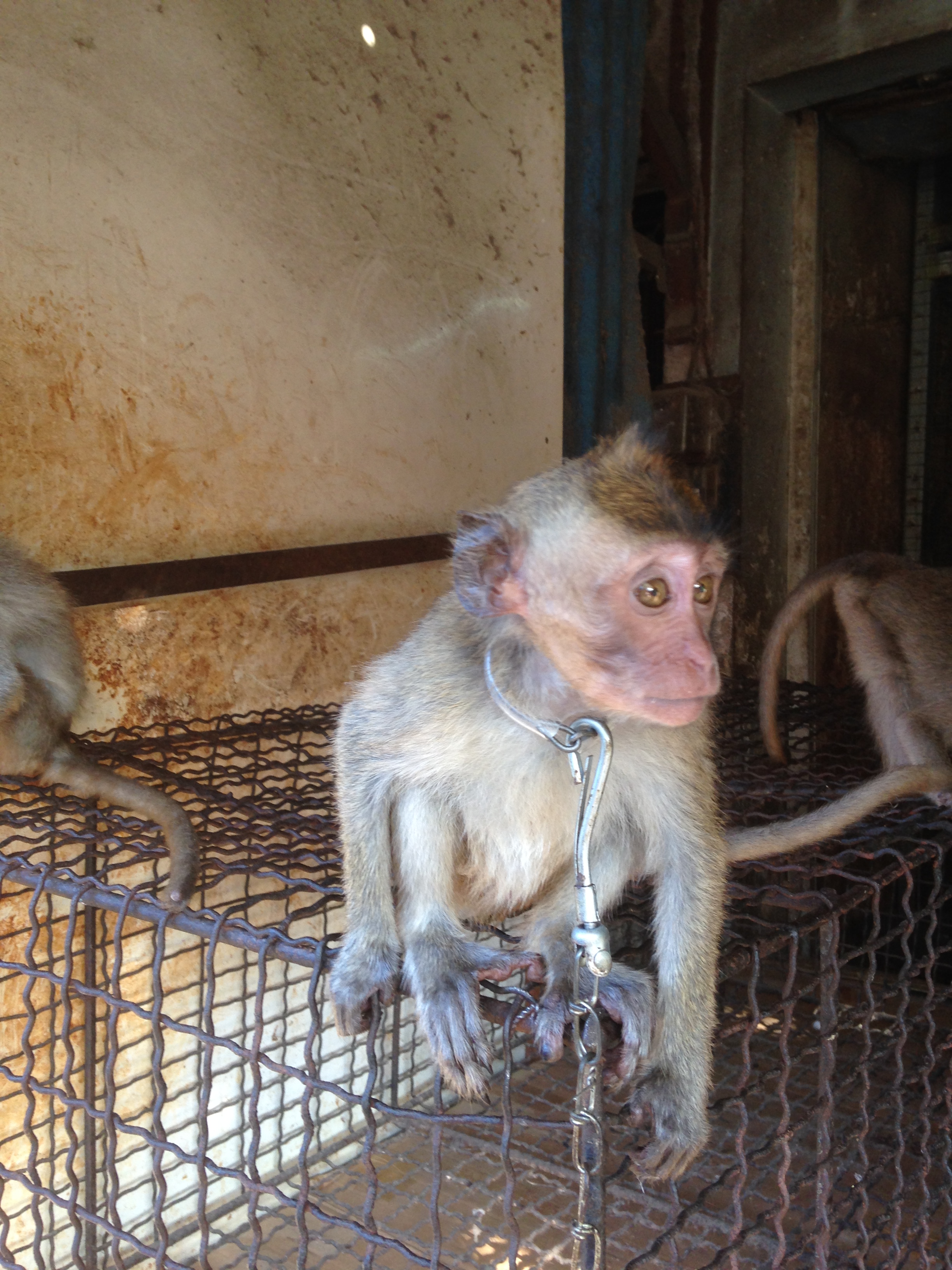
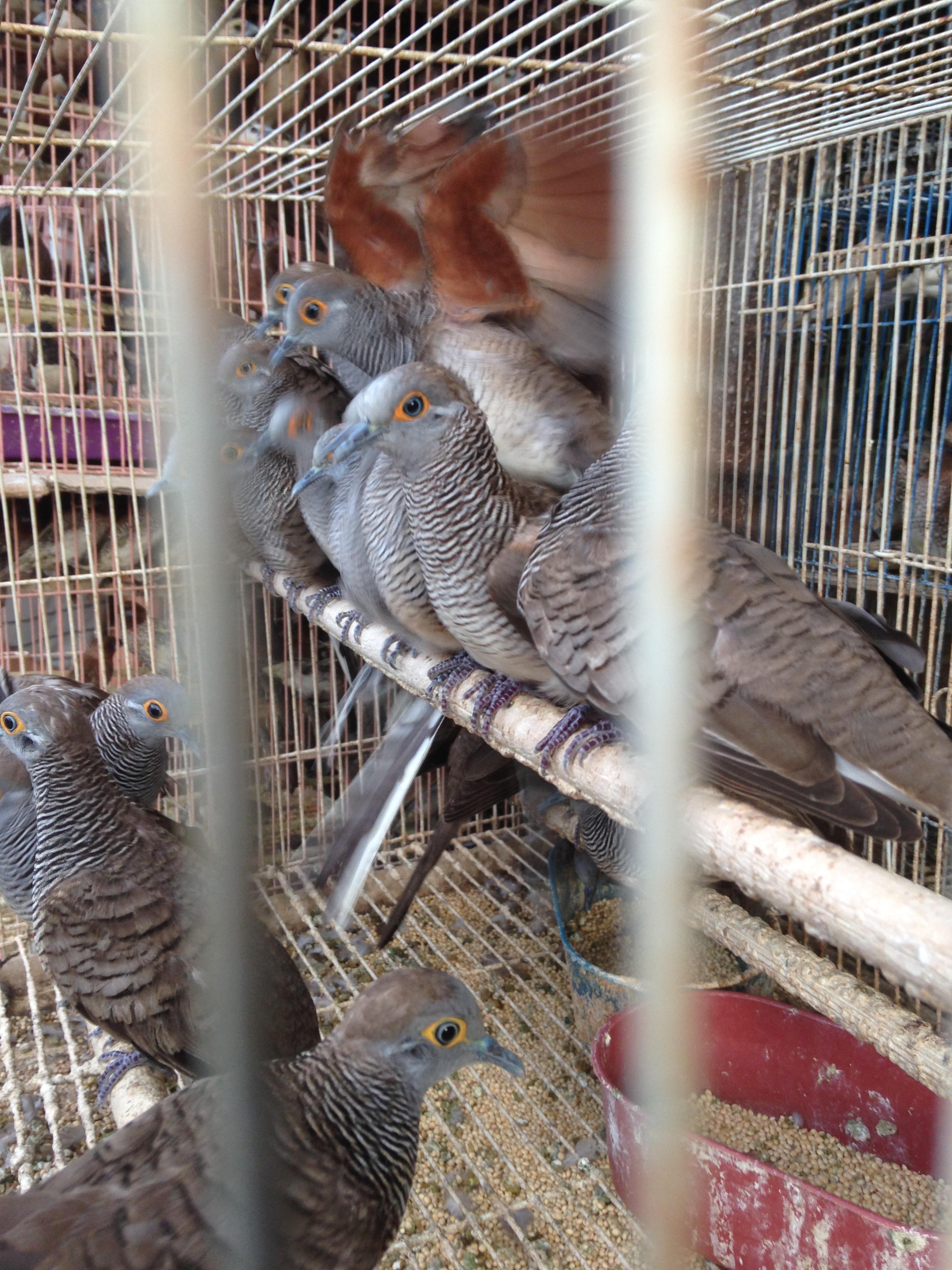
The team started in Jakarta where they met with representatives of a major paper manufacturer, the University of Indonesia and the Ministry of Forestry. On the island of Lombok they examined the remote fish market of Tanjung Luar and witnessed first hand the shocking state of shark overfishing, especially for their fins, and explored the deteriorated coral reefs. In Bali too they found the plunder of wildlife was almost total. In addition to nearly every home and restaurant having several caged wild songbirds, Bali Barat national park had very little wildlife. The only place it was abundant was the public bird market in Denpasar where tens of thousands of birds and other animals were crammed into cages for sale.

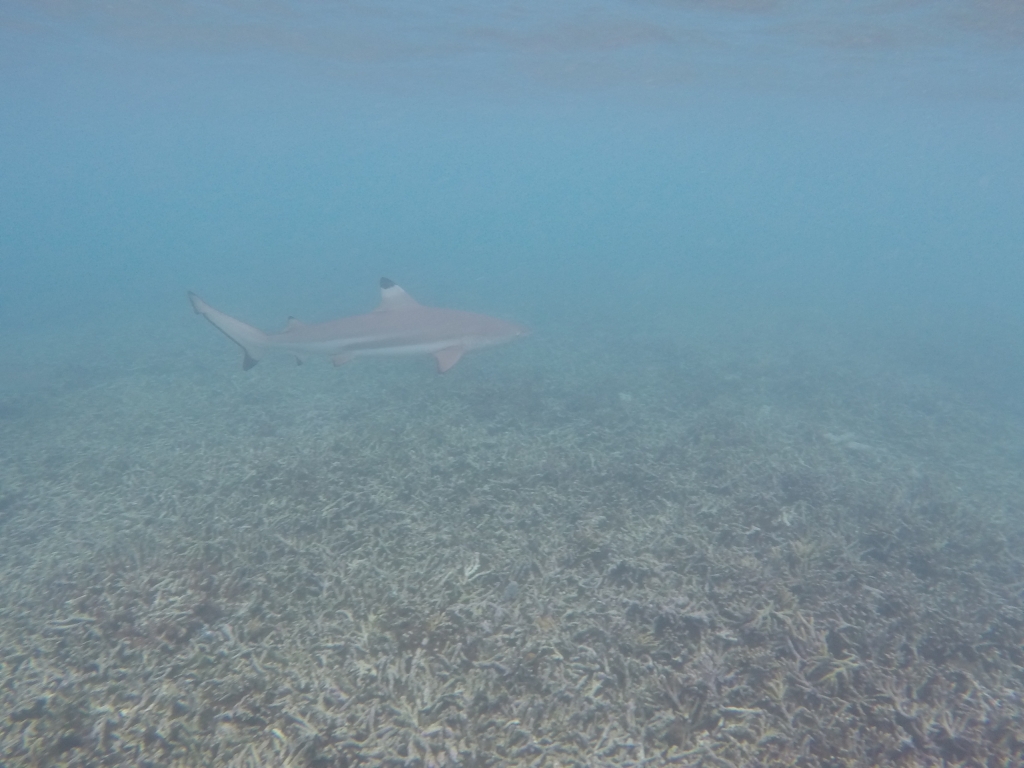
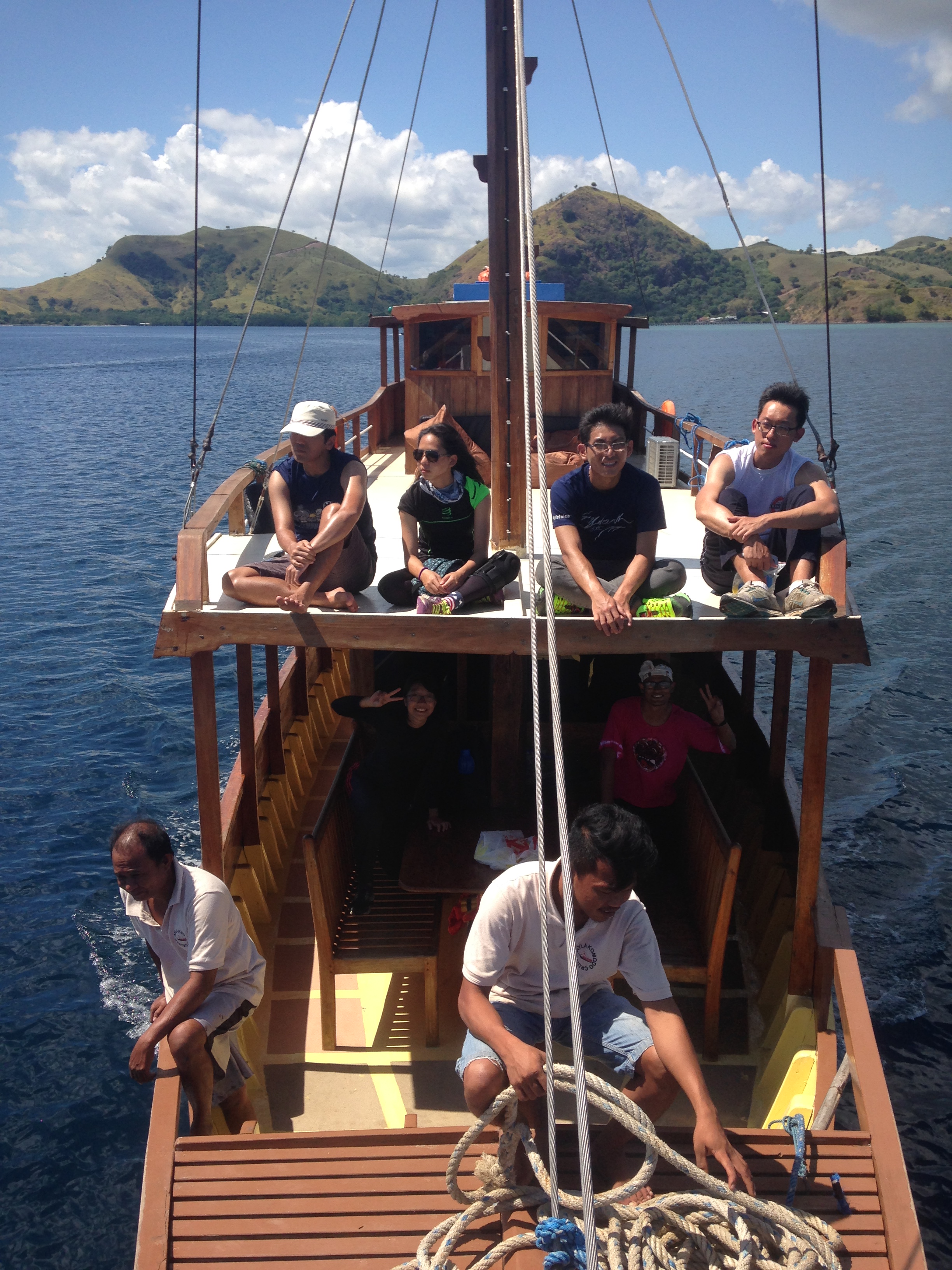
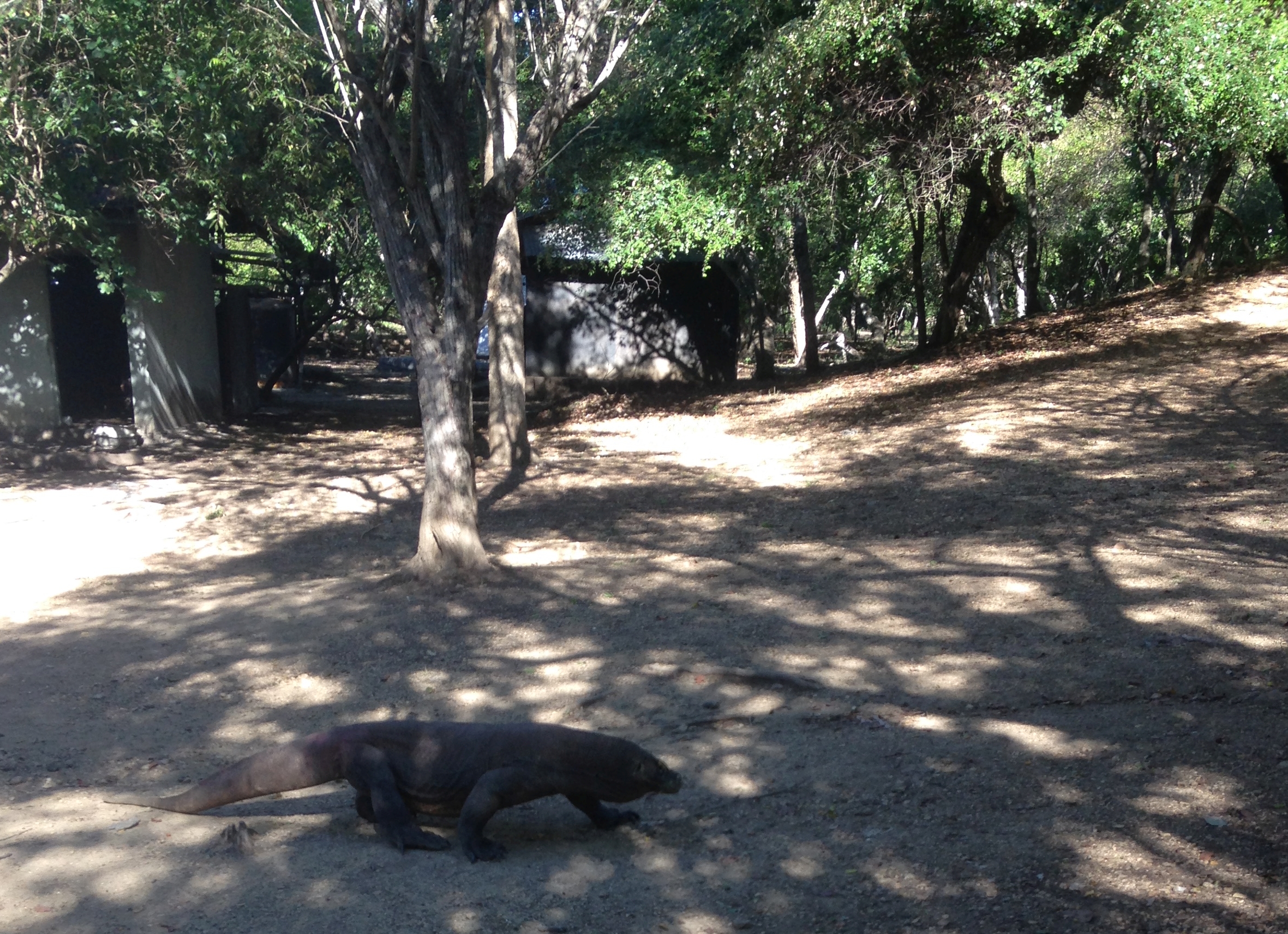
Sailing from the island of Flores, the team swam with sharks and sea snakes, endured fish bites, the stings of jelly fish and marvelled at the sight of a vast flock of prehistoric-looking giant fruit bats silently flying across the red-stained sky of sunset. The voyage culminated on the island of Komodo, home to the dragons. The group had many very close encounters with these ancient lumbering titans, by far the largest lizard in the world. NUS Professor Timothy Barnard joined the group to share his expertise on the social history of the dragons.

The Komodo dragon is a rare example in the region of a striking animal that is not threatened or endangered. The dragons actually outnumber the c. 2,000 human inhabitants. The dragons might be prospering because of the success of conservation efforts. In addition to being the centre of a National park, since 1986 it has been a UNESCO World Heritage Site. Less optimistically, the dragons may be prospering because these dry, desolate islands are no temptation for human exploitation and remain almost completely untouched.

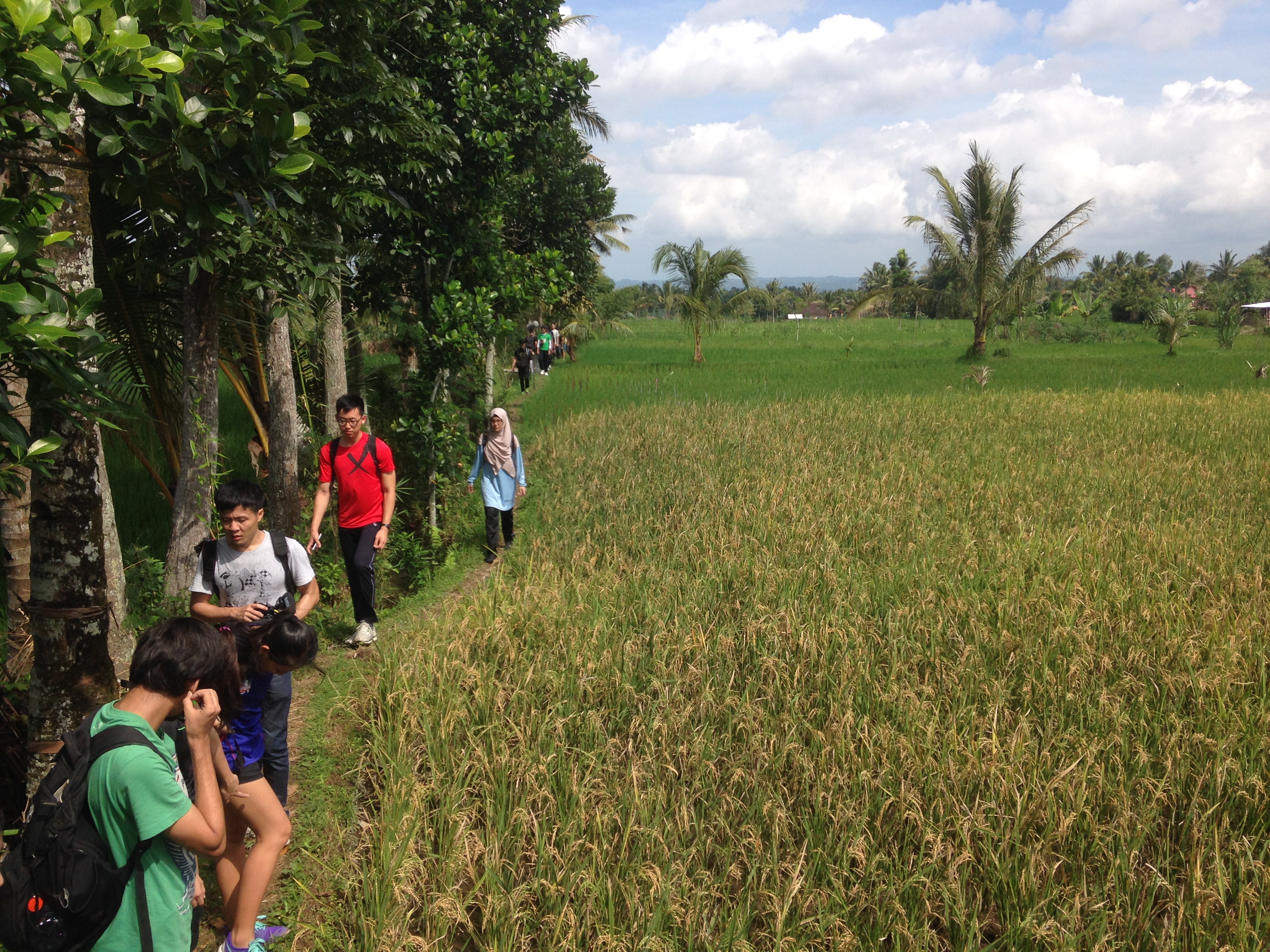
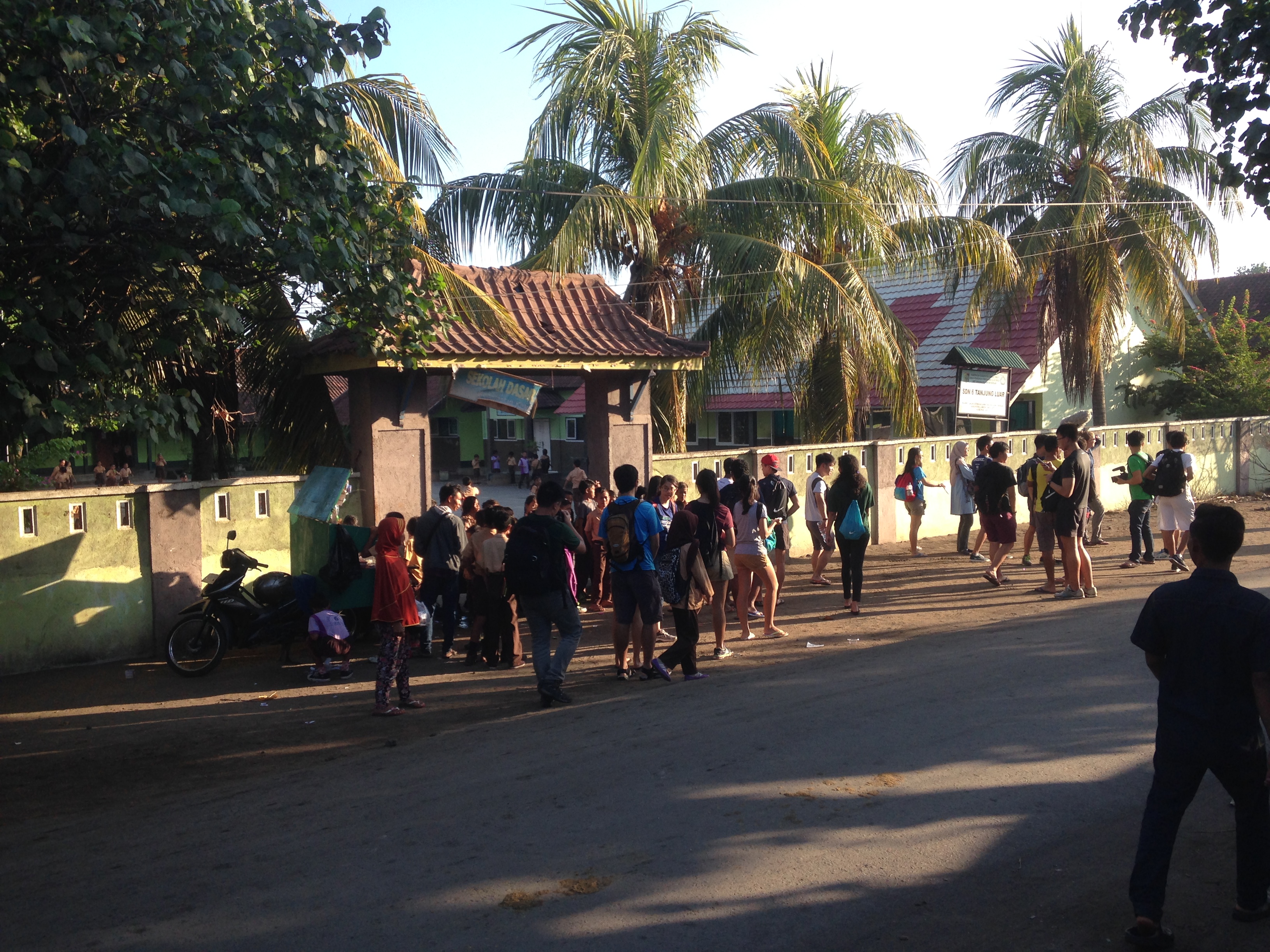
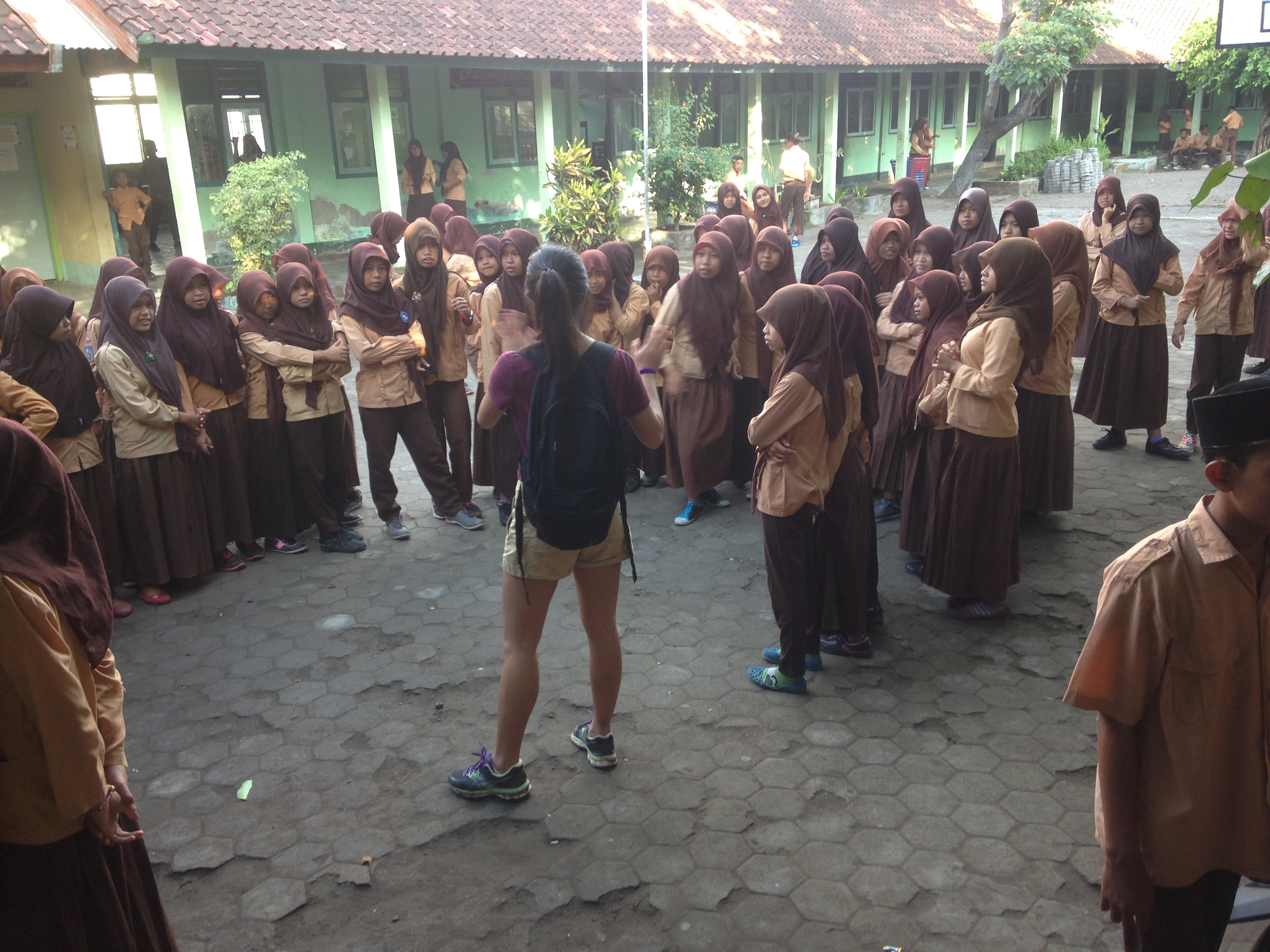
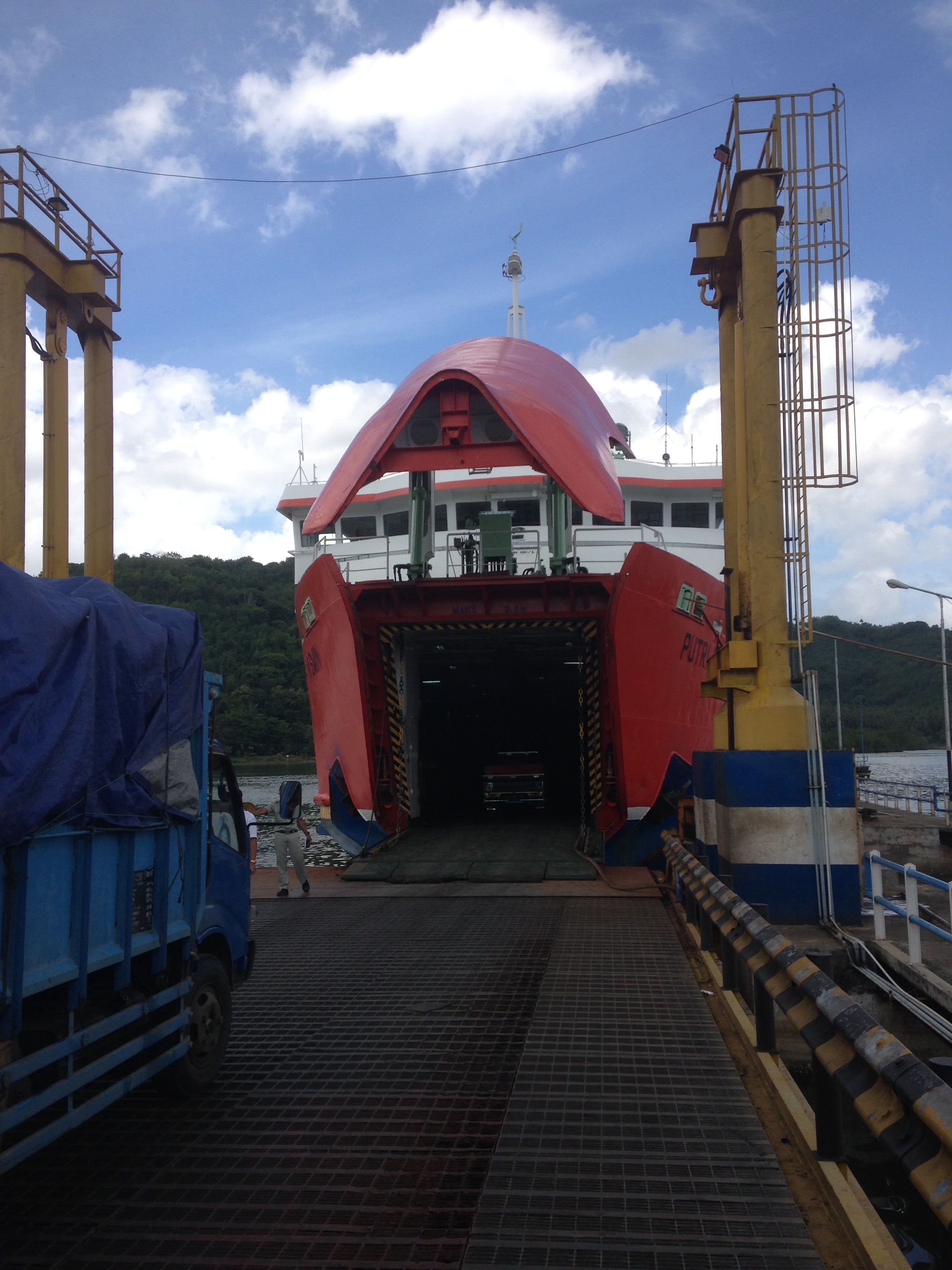
During this journey, the team stayed off the tourist-beaten track and instead endured the vagaries of local transport, trekked and cycled through the country lanes and rice fields. This allowed them to meet and interact with many local people going about their lives in the midst of the remaining wildlife. These people ranged from Sassak school children to poor families along the roadside in Lombok, to peasant bamboo farmers and plantation labourers in Bali.

Throughout the expedition, a student crew of five filmed and recorded events and the experiences of the team to produce a documentary. This fruitful and informative expedition was initiated and organized by the students themselves. Their leader was first year business student Kah Jing Ong. This was surely one of the most extraordinary expeditions ever conducted by students of this university.

Professor Tommy Koh: Importance of ‘soft’ power

Even though Asia, as a region, is on the rise in its hard power, particularly economically, it is already successful in its projection of soft power, Professor Tommy Koh, Ambassador-At-Large, Ministry of Foreign Affairs, said in a dialogue with young Singaporeans.

Citing well-­known soft power indices and rankings, Prof Koh, who is also special adviser at the Policy Studies and chairman of the Centre for International Law at the National University of Singapore, said he was surprised that Asian countries did not feature more prominently in these indices and rankings. He also said he did not agree with these conclusions. Japan and South Korea, he said, were examples of Asian countries where the ascendancy of soft power had matched their economic rise.

Singapore’s success

In his address at the Eighth Khwaish Lecture on April 30 on Does Asia Have Soft Power?, organised by Young Sikh Association (Singapore), Prof Koh pointed out Singapore’s success in building its soft power, which allowed her to maintain its influence and power within the region and globally.

He specific three important sources of Singapore’s soft power:

– Having one of the world’s most diverse populations, both religiously and racially.

– Having good governance and being one of the least corrupt countries in the world.

– Having a well-planned out city and infrastructure.

Due to these strengths, Singapore has impressed many politicians who send their people to study the Singapore model and how they could implement the same system, which Prof Koh said was an example of the city-state’s soft power.

When it comes to exerting influence on the global scale, despite not being a permanent member of any of the three large international groupings – the UN Security Council, the G7 and the G20 – Singapore still wields great clout due to its representation and chairing of the Forum of Small States and the Global Governance Group.

During facilitated dialogue sessions before the dialogue segment of the lecture, 91 per cent of the 100 participants indicated through a poll that Singapore has soft power, while 87 per cent believed that Singapore is effective in its management of international relations.

About 95 per cent of participants felt that soft power is important for Singapore.

Prof Koh revealed that Singapore has started to use history and culture as elements of its soft power projection.

For example, Singapore embassies and high commissions around the world make an effort to show-case the Singapore culture.

The lecture series is part of YSA’s mission of creating world-ready young Singaporeans, enhancing mutual understanding of issues of common concern and fostering friendships across ethnic groups so that young Singaporeans continue to remain engaged with the rest of Singapore society and the global community. 

Is heritage important? Why?

Undergraduates from Tembusu College (National University of Singapore), the American University of Central Asia in Bishkek and Indiana University participated in a small project conducted by Prof Anne Pyburn while she was in teaching in Kyrgystan. They were asked whether they think heritage is important, and if so, why? The answers were charming, sincere, poetic and surprisingly varied. Despite general agreement on the value of heritage, preservation, and the importance of recognition of a shared past, the students’ answers showed that ideas about heritage are extremely personal.

Although this is an extremely preliminary and small scale study, it has implications for the value of the concept of “world heritage” which tends to distance people from their own history and make the past seem homogeneous, irrelevant, and boring. It also inclines people to think that there is only one correct story about the past, which many scholars have begun to see as Colonial and damaging to Indigenous peoples and groups who are politically disadvantaged. Promoting world heritage may not be the best mechanism for preservation or even education.  We should probably begin to talk about the world’s “many heritages”.
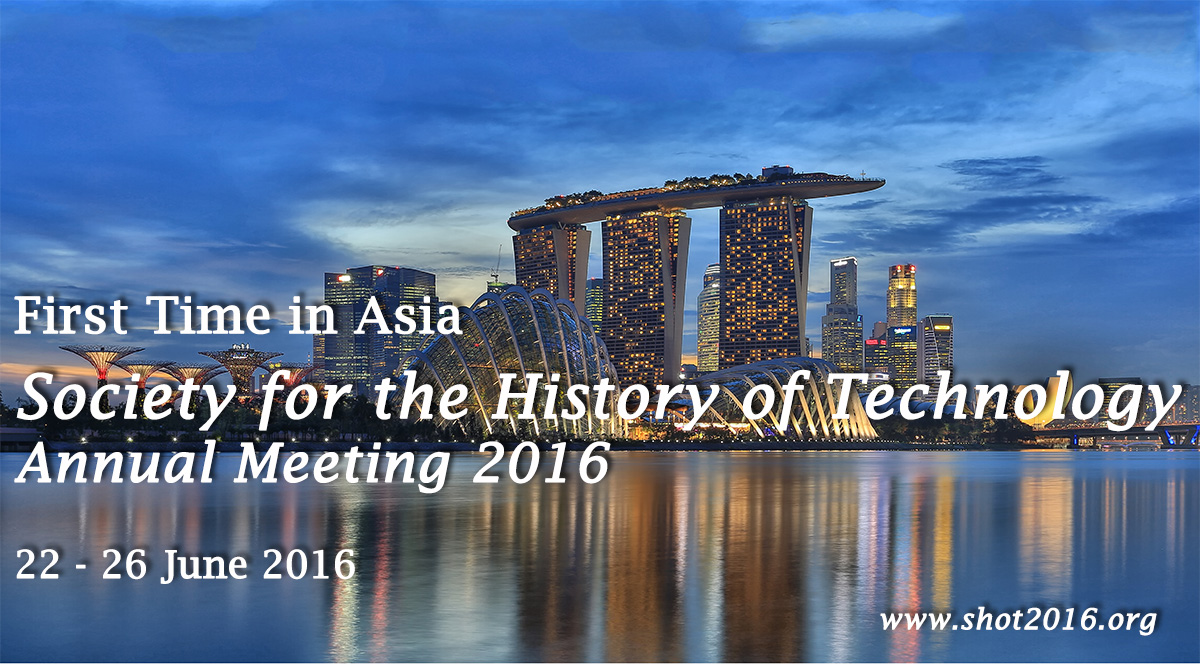
Recruiting Student Helpers for SHOT Annual Meeting 2016

Click to enlarge

Recruiting Student Helpers

Date:
20 – 27 Jun 2016

Remuneration: 
S$8/hr + CPF contribution by NUS

Working Hours:
8 – 10hr a day depending on your role (request for specific working hours negotiable)

Job Descriptions:
(1) Logistics/Ushers (e.g. put up signage, moving/rearranging of furniture, portable stage, etc.)

(2) Registration & Information desks duties

(3) Panel Session Helpers (e.g. getting rooms ready for sessions, IT/AV support, etc.)

(4) Photographers

(5) Tour Assistants (e.g. travel with the tour group, etc.)

Interested parties, please register by 12 May 2016. For any enquiries, please email Jocelyn at rctchsj@nus.edu.sg

Professor Tommy Koh invites you to the ‘Pioneering the Future Series’

The EDB Society is pleased to announce the next session in the Pioneering The Future Series on 8 April 2016, with Keynote Speakers:

–   Ambassador-at-Large Professor Tommy Koh, renowned international lawyer and negotiator, and Singapore’s former ambassador to the United Nations and the United States; currently Special Adviser of the Institute of Policy Studies and Chairman of the Centre for International Law, NUS; also a keen patron of the arts, heritage and the environment;

–   Lieutenant-General (Rtd) Winston Choo, Singapore’s first Chief of Defence Force, serving an illustrious 33-year military career; after which he held diplomatic appointments as envoy to several nations including Australia, South Africa and Israel. He also served as Chairman of the Singapore Red Cross Society.

The theme of the forum is “International Relations, Security & Resilience”. It will be held at The Arts House at 4 – 6 pm (Registration & Reception start at 3 pm), and will be moderated by Mr Han Fook Kwang, Editor-at-Large The Straits Times.

Pioneering The Future Series pays tribute to our Pioneer Leaders who have contributed to Singapore’s transformation, and draws insights for future engagement and development. The Straits Times will feature the event and invite questions from its readers to be selected for the Q&A. Inputs will be later collated for publication.

As there is limited capacity, kindly RSVP to Mrs Lisa Tan at edbsoc@gmail.com by 21 March 2016 (first come, first serve). You may also wish to include your questions, if any, in your reply. 
By Professor Tommy Koh: Singapore-China Relations: Past, Present and Future

Singapore and China have just celebrated the 25th anniversary of the establishment of diplomatic relations between the two countries. It is therefore an opportune moment to take stock of this important relationship.

The People’s Republic of China was established in 1949. The Republic of Singapore was established in 1965. From 1965 until the late 1970s, political relations between China and Singapore were unfriendly and acrimonious. China, under Chairman Mao, was a revolutionary country. It sought to export revolution to Southeast Asia and gave both material and moral support to the communist parties and their armed struggles. The leaders of Singapore were often condemned as the running dogs of the imperialists.
Ending of the Mao Era

Things began to improve following the successful visits to China by Singapore’s Foreign Minister, Mr S Rajaratnam, in 1975 and by Singapore’s Prime Minister, Mr Lee Kuan Yew, in 1976. Mr Lee called on Chairman Mao shortly before he passed away that year. In 1978, Deng Xiaoping, the new defacto leader of China, visited Thailand, Malaysia and Singapore. I believe that his heart-to-heart talk with Mr Lee Kuan Yew, in Singapore, convinced him to change China’s policy towards the region. In his memoirs, Mr Lee recounted that exhortations for the overthrow of governments in South-east Asia from broadcasting stations in China stopped a year after his meeting with Deng in Singapore in November 1978.

Golden Period of ASEAN-China ties

As a result of Deng Xiaoping’s wise leadership and policy, China’s relations with Singapore and the region gradually improved. The acrimony and mistrust of the Mao era were replaced by goodwill and growing mutual trust. China offered ASEAN a Free Trade Agreement so that ASEAN could benefit from China’s growing prosperity. Today, China is Singapore’s and ASEAN’s largest trading partner. China is a significant provider of official development assistance to the new members of ASEAN. China has also become the largest source of tourists to the ASEAN countries. China has supported ASEAN’s centrality in regional organizations. China has always shown respect to ASEAN by sending high representatives to its meetings with ASEAN and other ASEAN-led meetings. In addition, China hosts annually a major ASEAN trade show and a summit meeting with ASEAN’s leaders in Nanning, in the Guangxi province. In 2002, China signed the Declaration of Conduct in the South China Sea. To sum up, I would say that of ASEAN’s ten Dialogue Partners, ASEAN’s cooperation with China is the most substantive. I would also describe the period, 1979 to 2009, as the golden period of ASEAN-China relations.

Relations Since 2009

Relations between ASEAN and China have, unfortunately, become less smooth since 2009. I would attribute this development to two factors. The first is the disputes in the South-China Sea, between China and four ASEAN claimant countries, Brunei, Malaysia’s Philippines and Vietnam. In 2009, China submitted to the UN a map of the South China Sea with nine dash lines. The U-shaped nine-dash line claims almost all of the South China Sea. The map has caused a lot of misunderstanding because China has not adequately explained the legal significance of the nine dashed lines or the precise nature of her claims.

Although ASEAN, as a group, does not take sides on the merits of the claims, it has taken a group position on six governing principles. These include the principle that the disputes should be settled by peaceful means without the use of force or threat to do so. Another principle is that the disputes should be settled strictly in accordance with international law, including the UN Convention on the Law of the Sea. In view of this, it is not possible for ASEAN to accept China’s demand that ASEAN should not take a group position on the South China Sea. Afterall, the South China Sea is part of ASEAN’s neighbourhood. ASEAN wants peace and the rule of law to prevail in the South China Sea. At the same time, ASEAN wants good relations with China.

More Assertive Diplomacy

The second factor is that China’s charm offensive has been replaced by a new paradigm of assertive diplomacy. In recent years, Chinese diplomats in the different ASEAN capitals have changed from being humble and respectful to being demanding and assertive. This change has been noticed by the ASEAN countries.

Singapore is currently the ASEAN coordinator of ASEAN-China relations. Singapore will do its best to keep the relationship on an even keel. However, we will only succeed if China acts with wisdom and self-restraint towards ASEAN, bearing in mind the asymmetry of size and power. The two sides, should, however, not allow the differences on the South China Sea to overshadow the positive ASEAN-China agenda or to prevent them from cooperating in the many areas where their interests converge.

Three Issues

I would like to discuss three issues which could affect the good bilateral relationship between Singapore and China.

Singapore Is Not A Chinese Nation

The first is the perception by some of our friends in China of Singapore as a Chinese nation. Although the Chinese constitutes 75 per cent of our population, Singapore is not a Chinese nation but a multi-racial nation. This mis-perception was also shared by some of our friends in the West, who used to refer to Singapore as the “Third China”. It is because of such mis-perceptions that Singapore decided to be the last of the five founding members of ASEAN to establish diplomatic relations with China.

Primacy Of ASEAN

The second issue is that Singapore is a sovereign and independent country located in the heart of Southeast Asia. Our destiny lies in Southeast Asia. This is why we attach such great importance to our regional organisation, ASEAN. Our Chinese friends should therefore understand that our relations with China will inevitably be affected by China’s relations with the region and with ASEAN.

Relations With Major Powers

The third issue is Singapore’s relations with the major powers. Some of our friends in China do not understand our foreign policy. They feel that given the ethnic composition of our population and our growing economic stake in China, we should move closer to China. As a small country, we wish to be close to all the major powers but not to be aligned with any of them. We try to be relevant and useful to each of the major powers. We do not wish to take sides in their disputes with one another. We do not regard international relations as a zero sum game and we hope that we will never have to choose sides. One objective of our foreign policy is to give Singapore maximum political and economic space.

Excellent Bilateral Relations

Singapore and China enjoy excellent relations. These are founded on very substantial economic interests, a high level of mutual trust between our leaders, extensive cooperation in many areas, a thick network of institutional linkages at the national and provincial levels and strong ties between our two peoples.

It is a quite remarkable that, since 2013, Singapore has become the largest foreign investor in China. It is also remarkable that, since 1992, over 55,000 Chinese cadres and officials have attended various programmes in or made study visits to Singapore.

As a sign of Singapore’s continued confidence in the Chinese economy, the two governments recently concluded an agreement to launch a third flagship project in the western region of China, centering on Chongqing.  Singapore was an early supporter of the Asian Infrastructure Investment Bank and the One Belt One Road Proposal.

In 2015, Singapore and China celebrated the 25th Anniversary of the Establishment of Diplomatic Relations between our two countries. The Presidents of Singapore and China exchanged visits. During President Xi Jinping’s visit, in November 2015, the two Governments agreed to elevate our relationship to an “All-Round Cooperative Partnership Progressing With The Times”. I am confident that our excellent bilateral relationship will be taken to an even higher peak in the years ahead.

NUS Open Day | Tembusu College | 12 March 2016 (Saturday)

Visit us to find out more about our modules (University Town College Programme), and join our college tour to check out our unique facilities, house activities and the many interest groups on display.

Wish to find out more about Tembusu College during NUS Open Day 2016 on 12 March 2016 (Saturday)? We will be happy to talk with you at our college booth located at the Education Resource Centre (ERC), right above Starbucks at University Town!

Talks:

We will be telling you more about Tembusu College and the University Town College Programme (UTCP) during the following talks:

12:00PM, Stephen Riady Centre, Level 1, Seminar Room 2 (by Director of Residential Life, Dr Kelvin Pang)

3:00PM, Stephen Riady Centre, Level 1, Seminar Room 3 (by Master of Tembusu College, Assoc. Prof. Gregory Clancey)

Do attend the talks to hear more about us!

Guided Tours:

You are highly encouraged to visit us at Tembusu College between 9:00AM to 6:00PM and join us on our college tour, brought to you by our very own college students! During the tour, you will be able to find out more about college life and the various interest groups from the students themselves, and check out our living areas (and hopefully, soon to be yours!), Learn Lobe and Dining Hall. Over at the Learn Lobe, you will get a chance to visit our themed rooms (Reading Room, The Abbey, The Atlas and the Games Room). Say hello to our Fellows and ask them a question or two if you are curious about our UTCP modules. So come on down to Tembusu College to find out more about us this Open Day!

Before that…

Armed with a go-pro, our Tembusu Ambassadors snuck around, documenting our facilities and a small number of interest groups, to present to you what goes on in Tembusu College! What is it like in this Home of Possibilities? Take a peek here right now!

Invitation by Prof Koh to the launch of Singapore-China Relations 50 Years

Prof Koh would dearly like to invite the Tembusu community to the launch of Singapore-China Relations 50 Years, on Tuesday, 23 February 2016. Please registration at the following link: 

Block B, Level 4, Seminar Room 4 – 4
Faculty of Law, NUS Bukit Timah Campus 469 Bukit Timah Road, Singapore 259776
Guest-of-Honour: Professor Tommy Koh, Ambassador-At-Large, Ministry of Foreign Affairs
RSVP HERE 

PROGRAMME

5.00pm
Welcome and Opening Remarks by World Scientific Publishing

Book Introduction by
Prof Zheng Yongnian Director
East Asian Institute (EAI), National University of Singapore

Speech by Guest-of Honour
Prof Tommy Koh
Ambassador-At-Large, Ministry of Foreign Affairs

Speeches by Contributors
Mr Lye Liang Fook
Assistant Director & Research Fellow, EAI, National University of Singapore
Dr Zhao Litao
Senior Research Fellow, EAI, National University of Singapore
Dr Lim Tai Wei
Senior Lecturer, UniSIM & Adjunct Research Fellow, EAI, National University of Singapore

6.15pm

Tea Reception

Dress code: Office Attire   |   For more information, please contact Ms Cynthia Lye at clye@wspc.com.sg | Tel: +65 6466 5775 (ext. 228)