


from the Asian Review of Books
https://asianreviewofbooks.com/content/wanderlust-the-amazing-ida-pfeiffer-the-first-female-tourist-by-john-van-wyhe/
from The Straits Times
https://www.straitstimes.com/lifestyle/arts/6-reads-for-october?&utm_source=whatsapp&utm_medium=social-media&utm_campaign=addtoany
On Thursday, 3 October 2019, Jeremy Fernando will be giving the opening address at the NUS French Film Series, where he will be attempting to respond to, think alongside, PlayTime by Jacques Tatti.
7pm
Ngee Ann Kongsi Auditorium
Education Resource Centre
University Town
To register, please go to: https://deriverarrivee.peatix.com/

Professor Syed Hussein was the Head of the Malay Studies Department, at NUS, from 1977 to 1988. I had met Syed Hussein on several occasions. I had also heard him speak at some university functions. I remember him as a brilliant scholar, an eloquent speaker, and someone who was charismatic and charming. I also formed the impression that he was an original thinker, a man of principle and of courage. I am therefore glad to be able to honour his memory today, his 91st birthday.
I will now proceed to identify and discuss four important components of his intellectual legacy.
In 1971, Syed Hussein published a book on Raffles, entitled, Thomas Stamford Raffles: Schemer or Reformer? A discussion of Raffles in 2019, is particularly relevant because we are commemorating the 200th anniversary of the founding of Singapore by Raffles and Farquhar. Syed Hussein was against the canonization of Raffles. He made the argument that Raffles was not the humanitarian reformer, which his admirers had made him out to be. Instead, he was a schemer and an opportunist.
In 2019, we have a more accurate and balanced view of Raffles. We acknowledge that if Raffles and Farquhar had not chosen to establish a trading post, for the East India Company, in 1819, in Singapore, we would probably not be here today. We also acknowledge the wisdom of Raffles in making Singapore a free port, open to ships of all nations and in upholding free trade.
However, we also know that Raffles was a schemer and a self-promoter. He claimed credit for the good work done by his number two, William Farquhar. He sacked Farquhar and falsely accused him of various wrongdoings. Raffles had also behaved disgracefully as the Lieutenant-Governor of Java. He humiliated the Sultan of Jogjakarta and looted his Palace.
Every nation has its founding myths. Singapore is no exception. We have put Raffles on the pedestal and he will remain there. However, we have discovered our pre-colonial history. We have also identified several Singaporean pioneers, of different races, who had contributed to the success of the British colony. And, at long last, William Farquhar’s contributions have been acknowledged and a new garden, on Fort Canning, has been built in his name.
In 1977, Syed Hussein published a very important book, entitled, The Myth of the Lazy Native. This book was path-breaking. In his book, Syed Hussein pointed out that, for centuries, western literature had portrayed the native peoples of maritime Southeast Asia as lazy. Syed Hussein was correct to point out that the West had invented this stereotype of the lazy natives in order to justify their colonisation of Southeast Asia. Another myth invented by the West was that the natives were uncivilised and therefore in need of being civilized by the West.
Syed Hussein’s book had a profound impact on many scholars around the world. One of them was Professor Edward Wadie Said of Columbia University, in New York. Professor Said was born in Palestine. He had followed his father to the United States. In 1978, a year after Syed Hussein’s book was published, Professor Said published his great book, Orientalism. The book is a critique of the cultural representations of the orient, in Western literature. The book argues that there is a subtle but persistent eurocentric prejudice against Arabs and Muslims. It would not be wrong to say that Syed Hussein Alatas and Edward Said were the two founding fathers of post-colonial studies.
Professor Syed Hussein was a strong believer in multiculturalism. He rejected race-based politics in Malaysia. In 1968, he and Dr Tan Chee Koon, the leader of the Labour Party, founded a new political party called Gerakan based on the principle of multiculturalism. It participated in the 1969 general elections and won several seats. To celebrate its electoral victories, the party held a political rally and procession in Kuala Lumpur. When the procession entered the Malay areas of the city, some Gerakan members made the mistake of jeering at the Malay residents. Although the party apologised, UMNO held a retaliatory rally on the next day. The rally got out of hand and turned into an anti-Chinese riot. More than 180 people were killed and a state of emergency was declared. Parliament was suspended and did not reconvene until 1971.
In 1972, Gerakan, under the leadership of Dr Lim Chong Eu, decided to join the UMNO-led alliance. Both Syed Hussein and Tan Chee Koon resigned from the party. They formed a new party called PEKEMAS, based on their belief in multiculturalism. The party was dissolved in 1978.
Although Syed Hussein’s attempt to move Malaysia away from race-based politics, was unsuccessful, he never stopped to believe in the superiority of multiculturalism. I think history will vindicate him.
The cause which Syed Hussein was most devoted to was his life-long campaign against corruption. In 1968, he published a book, The Sociology of Corruption. In 1986, he published a second book on the subject, The Problem of Corruption. In 1990, he published a third book entitled, Corruption: It’s Nature, Causes and Functions. In 1993, he contributed the entry on corruption, to the Oxford Companion on World Politics. In 1999, he published his fourth book, Corruption and the Destiny of Asia.
Professor Syed Hussein was right to campaign against corruption in the world, especially in Asia. Corruption is unfortunately rampant in Asia. It undermines good governance, the rule of law and justice. It breeds a culture of impunity.
I want to share with you the following quotations from Syed Hussein on corruption:
Syed Hussein was, of course, right when he said that corruption exists in all kinds of political systems and in different economic conditions. We find corruption in democracies and in communist countries. We find corruption in developed and in developing countries. We find corruption in the East and in the West. Syed Hussein was also right when he said that the answer is clean political leaders.
Syed Hussein passed away on the 23rd of January 2007 at the age of 82. Twelve years have passed since he left us. His intellectual legacy will never be forgotten. Post-colonial studies, multiculturalism and anti-corruption were the three causes closest to his heart. They remain as relevant today as they were during his life time.
One of the advantages of having lived abroad is that you are able to compare the behaviour of Singaporeans to that of the people in other cities and countries. Singaporeans behave very well in many areas of life.
However, when it comes to driving, our behaviour is quite atrocious. I describe below the seven bad habits of the Singapore driver.
Singapore is full of Lewis Hamilton-wannabees. The Singapore driver loves speed. He ignores the speed limit and races from traffic light to traffic light. He will accelerate his car even when he can see that the traffic light ahead is red. The Singapore driver has an addiction to speed. The situation has got worse since the arrival of F1!
The second bad habit of the Singapore driver is the impulse to overtake the car in front of him. This could be due to our kiasu mindset. We must always stay ahead of the competition.
In Singapore, you have to watch out for cars overtaking you from the right, which is legal, as well as cars overtaking you from the left, which is not lawful.
The Singapore driver will overtake you even when it makes no sense to do so. I have often encountered a situation in which I am approaching a traffic intersection and I intend to go straight. The driver behind me intends to make a left turn. He will overtake me and force me to slow down so that he can make that left turn. In such a situation, it makes no sense for him to overtake me.
As we approach an intersection, we are supposed to slow down and to stop when the traffic light changes from green to yellow and then to red.
Most Singapore drivers tend to accelerate as they approach a traffic light and beating the red light without being caught seems to be a national sport.
The danger is that when a driver proceeds too soon after the traffic light has turned green, he may have a collision with a car which is speeding through a red light.
I know of one case when such a collision resulted in a fatality. An innocent child, sitting in the front passenger’s seat, was killed when a car, speeding through a red light, hit the car driven by the child’s father which was proceeding lawfully through a green light.
Sometimes, through no fault of your own, you find yourself in a lane which is blocked by an obstacle.
You put on your indicator that you wish to turn right into the next lane. In many cities, the driver in the next lane will slow down and give you a break.
In Singapore, instead of giving you a break, the drivers in the next lane will accelerate in order to prevent you from filtering into the next lane.
Is this also a part of our kiasu syndrome? The mindset seems to be that we live in a highly competitive world and there is no place for kindness or courtesy. It is every man for himself.
Potong jalan, in Malay, means cutting queue. In colonial Singapore, the practice of potong jalan was common because there were many gangsters, thugs and members of the secret societies, and the police was weak.
Post-1959, the norm is every one queues up and no one is allowed to cut the queue. The exception is on our roads. It is very annoying to wait patiently to make a turn and to be confronted by cars which have cut the queue and insist on inserting themselves into your lane. The police should stamp out this bad practice which violates our sense of fair play and the rule of law.
Some Singapore drivers have developed some bad habits when parking their cars. I have seen a car parked in the middle of two lots.
One day, at a car park near a market, I saw a well-dressed lady, driving an expensive car, parking her car in a handicap lot. I went over to her and politely told her to park her car at one of the other empty lots. She told me to mind my own business. I should have taken a photo of her car and put it on my Facebook page.
On another occasion, I had parked my car in the middle lot at a public carpark. When I returned, I found that another car was parked so close to my car that I couldn’t open my door. This is a classic example of selfish behaviour. The driver of the neighbouring car had given himself too much room to open his door and had given me no room to open mine.
After waiting fruitlessly, for some time, for the other driver to return, I decided to enter my car by passenger’s door and managed, with some difficulty, to get into the driver’s seat. The lesson learnt is that we should always park our cars in the middle of the lot.
The seventh bad habit of the Singapore driver is his reluctance to use his indicator.
Very often, I am faced with the choice of joining a lane which is for cars turning right as well as for cars going straight or a lane for cars going straight only. There is a car at the head of the lane which could go both ways. Since he has not switched on his indicator to make a right turn, I assume that he is going straight. However, when the traffic light turns green, he turns on his indicator to make a right turn. You feel frustrated as you could have joined the next lane and wish that he had put on his indicator earlier. My plea to our drivers is to turn on their indicators early if they intend to make a right turn or a left turn. It is an act of courtesy to other drivers.
There are of course many good, considerate drivers on our roads. The above seven bad habits however are traits easily seen on our roads every day. I write this in hope that we can all reflect on our bad driving habits and correct them.
The Singapore driver is a speed fiend now, but he can learn to drive appropriately. He may be selfish and lack courtesy, kindness and civic mindedness today. But I hope he, or she, learns to give way to others stuck in lanes, makes a conscious effort to park considerately, signals early, and avoids cutting in.
Our driving manners reflect who we are as a people. Surely we can improve on the bad habits and in so doing, help create a more pleasant driving environment for all.
Care to read and discuss a book outside your curriculum this semester? Simply choose one of the titles offered by students of Tembusu College and register via Eventbrite (click on the link) by 11th September 2019, Sunday.
An email will be sent to all participants after 11th September to confirm their registration. The reading pod facilitator will contact participants via email to provide more details (starting date and venue).
Participants are responsible to purchase their own book; eBook is accepted. The first 5 sign-ups are eligible for the subsidy – you need only pay S$10 for the book of your choice. Participants will be contacted to submit a RFP form with original receipt attached to the college office for reimbursement of their purchase (e.g. book purchased at $15, college will reimburse $5). Subsequent sign-ups are welcome.
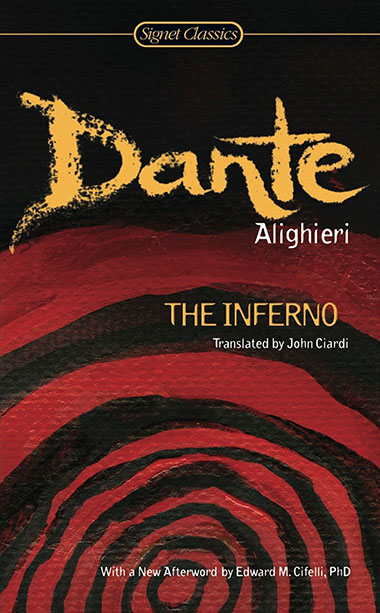
1. Dante Alighieri’s The Inferno (Student Facilitator: Gurprit Singh)
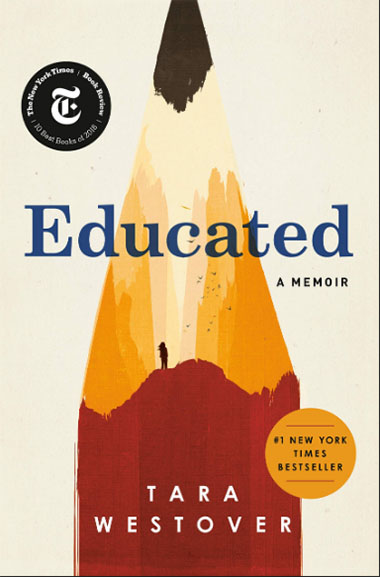
2. Tara Westover’s Educated (Student Facilitator: Neil Shah)
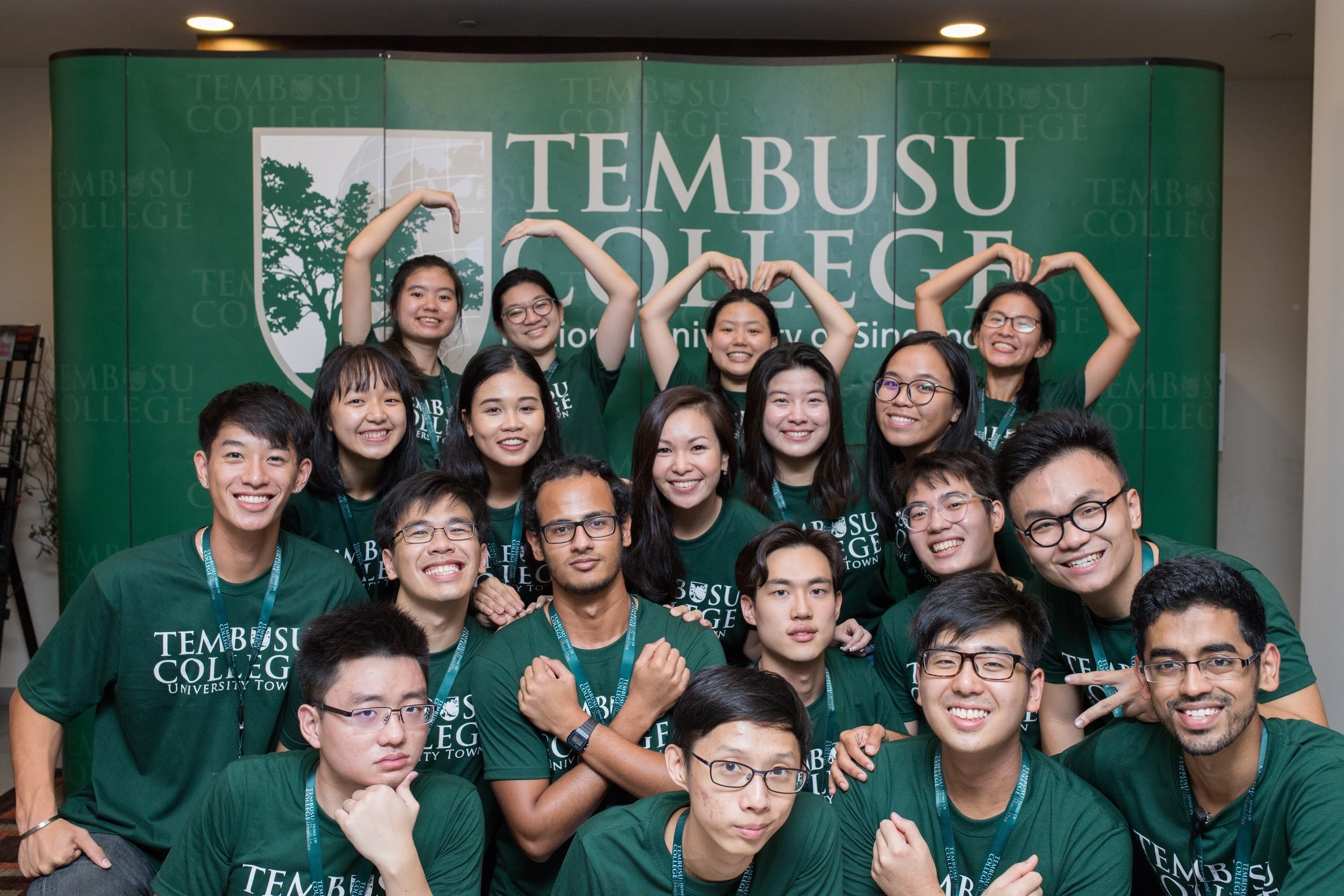
Your Ticket to the World!
Can’t stop talking about Tembusu and eager to share your love for our college to the world? Look no further!
As Tembusu Ambassadors, we promote and showcase our Home of Possibilities to prospective students and their parents at various tertiary institutions and members of the public during outreach events, such as NUS Open Day and college admissions interviews.
On special occasions, Tembusu Ambassadors also suit up to host distinguished local and foreign guests when they visit Tembusu College or UTown. It is a great opportunity to groom your leadership and communication skills, while creating memorable experiences as representatives of the college.
What do Tembusu Ambassadors do?
*Working groups are reviewed and formed during our annual retreat so they are subjected to changes
Who is an ideal candidate?
We are looking for responsible, personable and committed Tembusu College students (Freshmen, Seniors) who are team players and are excited to share their love for the college to prospective students and external guests!

“If I had to choose some of my best memories in NUS, my experience as a Tembusu Ambassador would definitely be on the list. Presenting our college to high-profile university administrators from around the world, acquainting with diplomats and other distinguished guests, and not to mention, working with the most passionate and brightest students in the college who later became some of my closest friends; are only small glimpses of the many things that I got to experience as a Tembusu Ambassador. If you wish to make your university life meaningful, there is no doubt that joining the Tembusu Ambassador family will help you realize that. Hope to see you in the future at our Tembusu Ambassador family gathering!”
— John Hong Hoon Seock graduated with a B.A. in Political Science. During his time as an undergraduate, John was an active student leader of the Korean community in NUS. He will be enlisting in the Republic of Korea Armed Forces.

“Four years ago, due to my lack of knowledge, I did not apply to Tembusu College. When I realised that some of my friends had secured a place there, I was compelled to apply. Looking back, it was one of the best decisions of my university life. Similarly, I regretted not applying to Tembusu Ambassadors in my freshman year. I always sought for a community that aims to achieve, be it winning in sports, fighting for a cause or serving the college. After spending a year in college, I knew that Tembusu Ambassadors was a place I wanted to be part of. Thankfully, I had a second chance and applied. Looking back at the events I was part of and how much I grew during my time in Ambassadors, I can safely say I have received much more than I had expected. At the same time, I had the opportunity to serve the college through various platforms and in doing so, prevented many students from making the same mistake I had made a long time ago – take the plunge!”
— Rajesh Mishra graduated with a B.Sc (Honours) in Physics. He is currently a Research Assistant with the NUS Centre for Quantum Technologies.

“Being a part of the Tembusu Ambassadors has been an invaluable experience. As a freshman, I was interested in the way we communicated with others; students, parents or visitors to the College – participating in outreach sessions, Tembusu Forums and Open Days were great platforms for us to bring Tembusu to the world. However, I also learnt that the Ambassadors was (and still is) more than that. Every passing year with the Ambassadors presents new challenges, mainly because the team is always questioning – what has gone well, what can be improved, and how can we learn from it? At the same time, we are encouraged to grow as individuals through these driving questions too. As much as some of my greatest personal hurdles stemmed from the Tembusu Ambassadors, this was also the place where I gained the most self-awareness and growth. Through the Ambassadors, I’ve met peers whom I truly look up to, and am slowly growing to be a better version of myself.”
— Cheryl Lim is currently pursuing her M.Arch in NUS

“I was attracted to the role of a Tembusu Ambassador as I treasured the opportunity to meet people from different backgrounds; whether it was the occasional foreign dignitary that came to visit or the fresh-eyed prospective student. What I most enjoyed about being an Ambassador was representing the college at various outreach events. While sharing about Tembusu, I also had the chance to challenge these students to think more deeply about their university education and in my own way inspire them to see their experience as more than just their academics I saw it as an opportunity to help them imagine how Tembusu could be a home of possibilities for them as well, and that made the experience very meaningful for me.”
— Dawn Seow graduated with a B.Soc.Sci in Psychology and Social Work. She is currently an Associate Librarian with the National Library Board.

“I joined the Tembusu Ambassadors because I was interested in serving the College by developing its external image and reputation. I was also keen on engaging with foreign dignitaries on behalf of the College. Here, I learnt important networking skills, as well as how to lead others. The flat structure of the Ambassadors developed our ability to lead each other through respect and service, rather than out of one’s formal position. The main highlight is definitely the camaraderie that came out from serving, and organizing events together. Although our tenure lasts a couple years, the friendships forged are timeless.”
— David Wong holds a MSc in Global Governance and Diplomacy (Distinction) from the University of Oxford, and a B.Soc.Sc. in Political Science from NUS. He is currently a Consultant with QVARTZ.
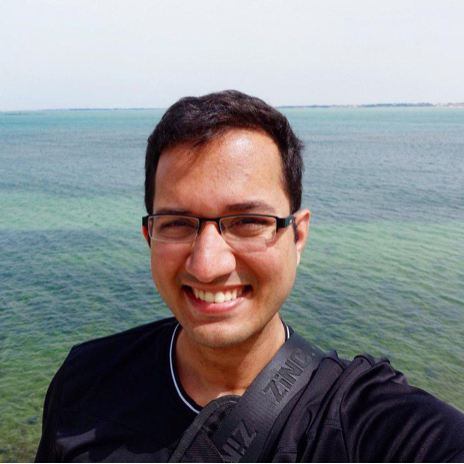
“Joining the Tembusu Ambassadors offers you a unique platform and opportunity to serve and give back to the College we all love, as custodians and curators of the Tembusu brand externally. We bring the first impressions of our “Home of Possibilities” into the hearts and minds of prospective students and parents – in other words, in many ways we set the ball rolling for future cohorts of Tembusians – as well as prominent guests at events like the Inaugural and Annual Dinners and Tembusu Forums. A heavy responsibility, yes, but also an immensely exciting one. Along the way, you will find yourself honing your creativity, communication and teamwork, skillsets that will hold you in good stead for life’s subsequent challenges. The diversity within the team, and our own College experiences, only adds to our lustre, and perhaps you too, like me, will find yourself forming the most fulfilling and enduring friendships of your University days among your fellow Ambassadors. Go ahead, give it a shot – for those up to the task, being a Tembusu Ambassador will only make your time at the College all the more richly memorable and rewarding :)”
— Vinod Ashvin Ravi graduated with a B.Soc.Sci (Honours) in Political Science. He is currently working at the Ministry of Foreign Affairs.
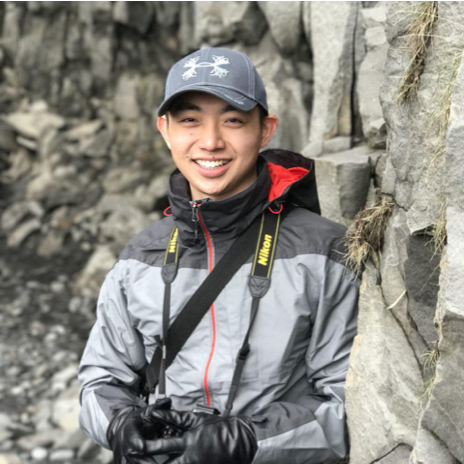
I joined the Tembusu Ambassadors because I believed in contributing by developing the college’s external image, and improve on my communication, organizational and leadership skills, which continue to serve me well in my final year in University. I was able to sharpen my communication skills by sharing about Tembusu College to prospective students at outreaches, develop my organizational skills by supporting the Open Day team and hone my leadership skills by organizing a 2-day training retreat for the Tembusu Ambassadors’ family. Many of these opportunities often challenged me beyond my comfort zone – but that’s where I am grateful for a family of like-minded, deeply passionate peers whom I found valuable mentorship, support and guidance. Many of these peers are now timeless friends.
— Joshua Eu graduated with a BBA. He is currently a Carrier Buying Executive at Vodafone.
How to apply:
Period of Appointment: One Academic Year (subject to review after first semester of service)
Do come for our information session on 29 August 2019, 8:00PM at the Reading Room. We’d love to tell you more about our experiences and the application process! Please indicate your interest in attending here.
For any inquiries, please feel free to drop an email to: tambassadors@nus.edu.sg.
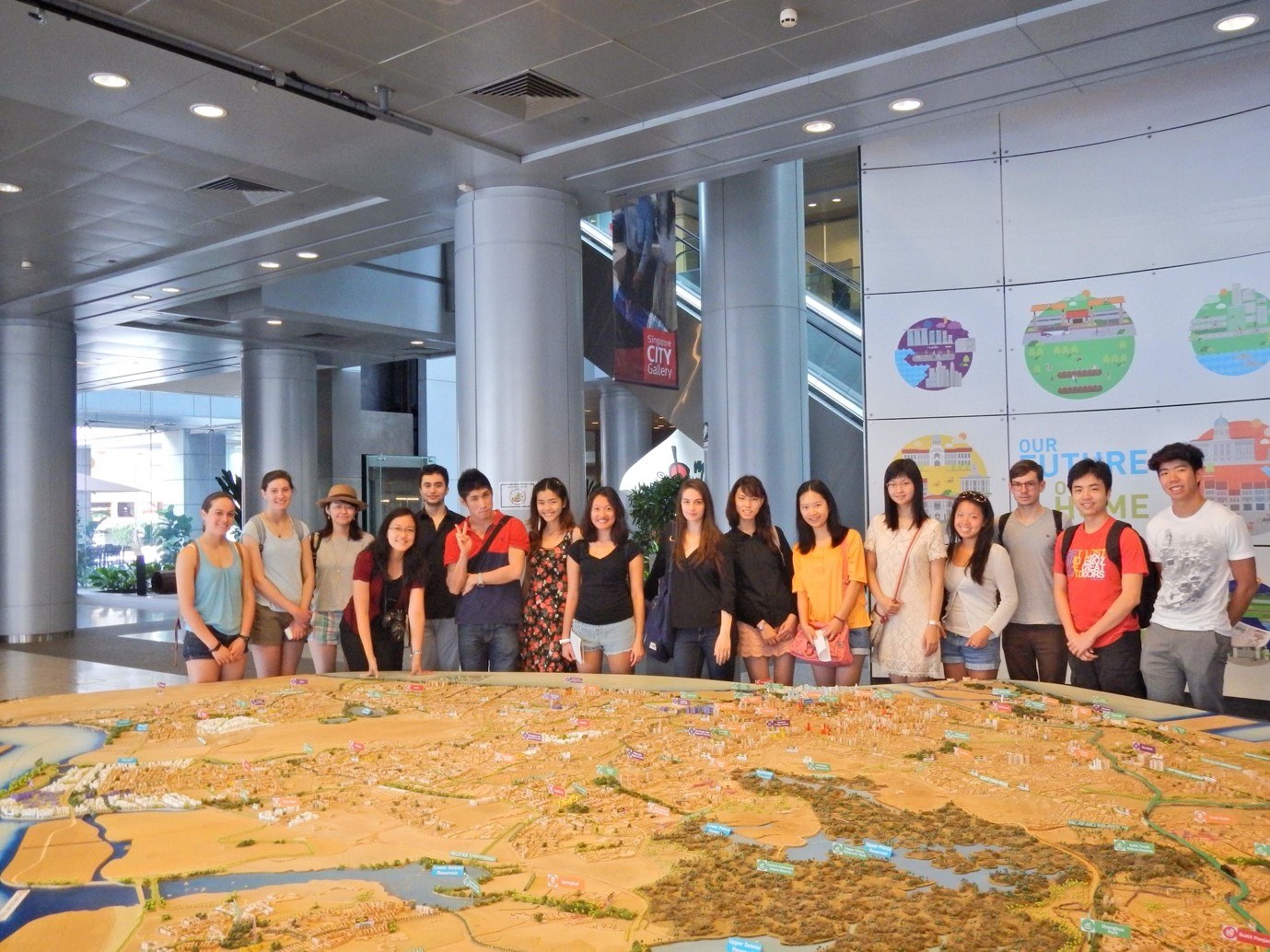
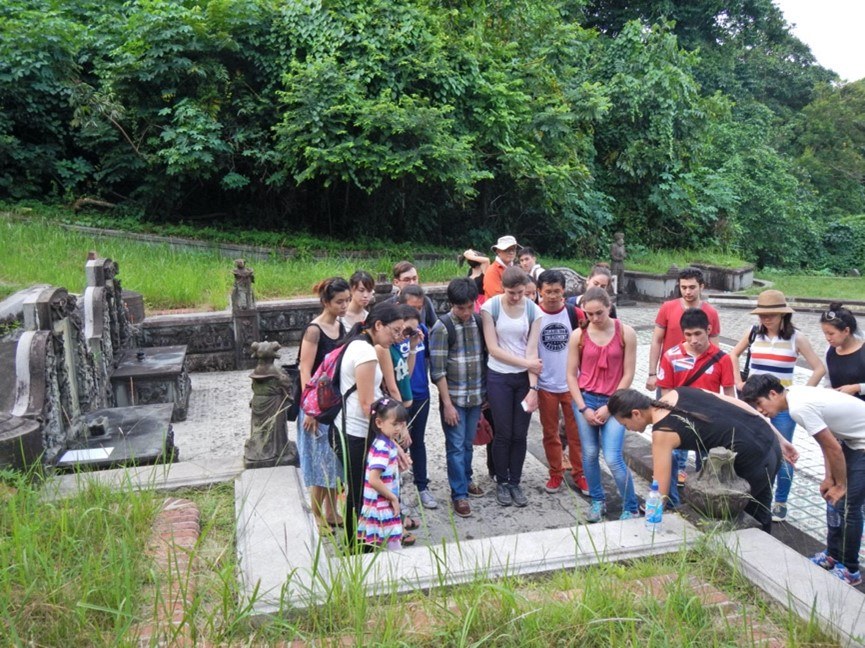
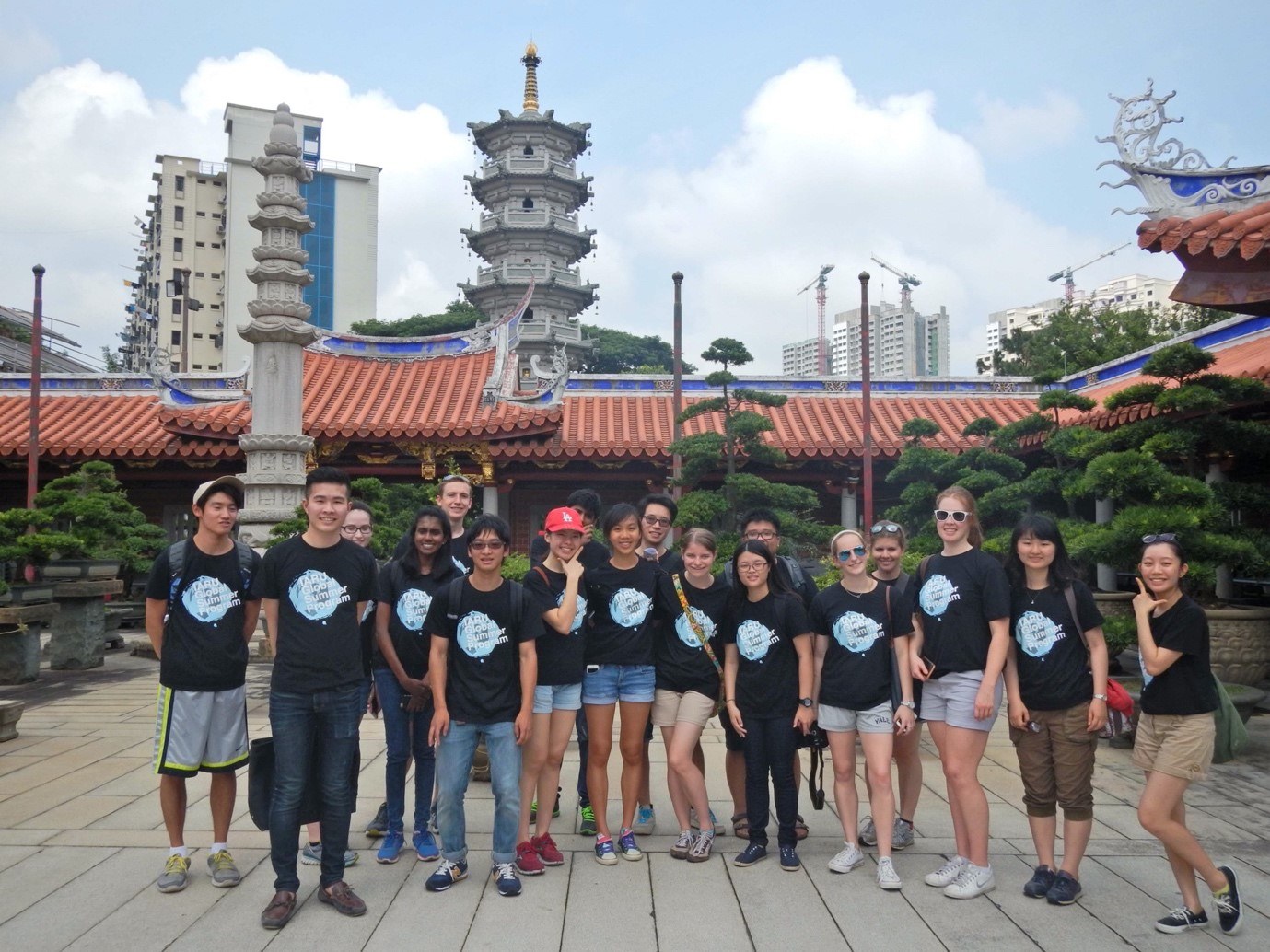
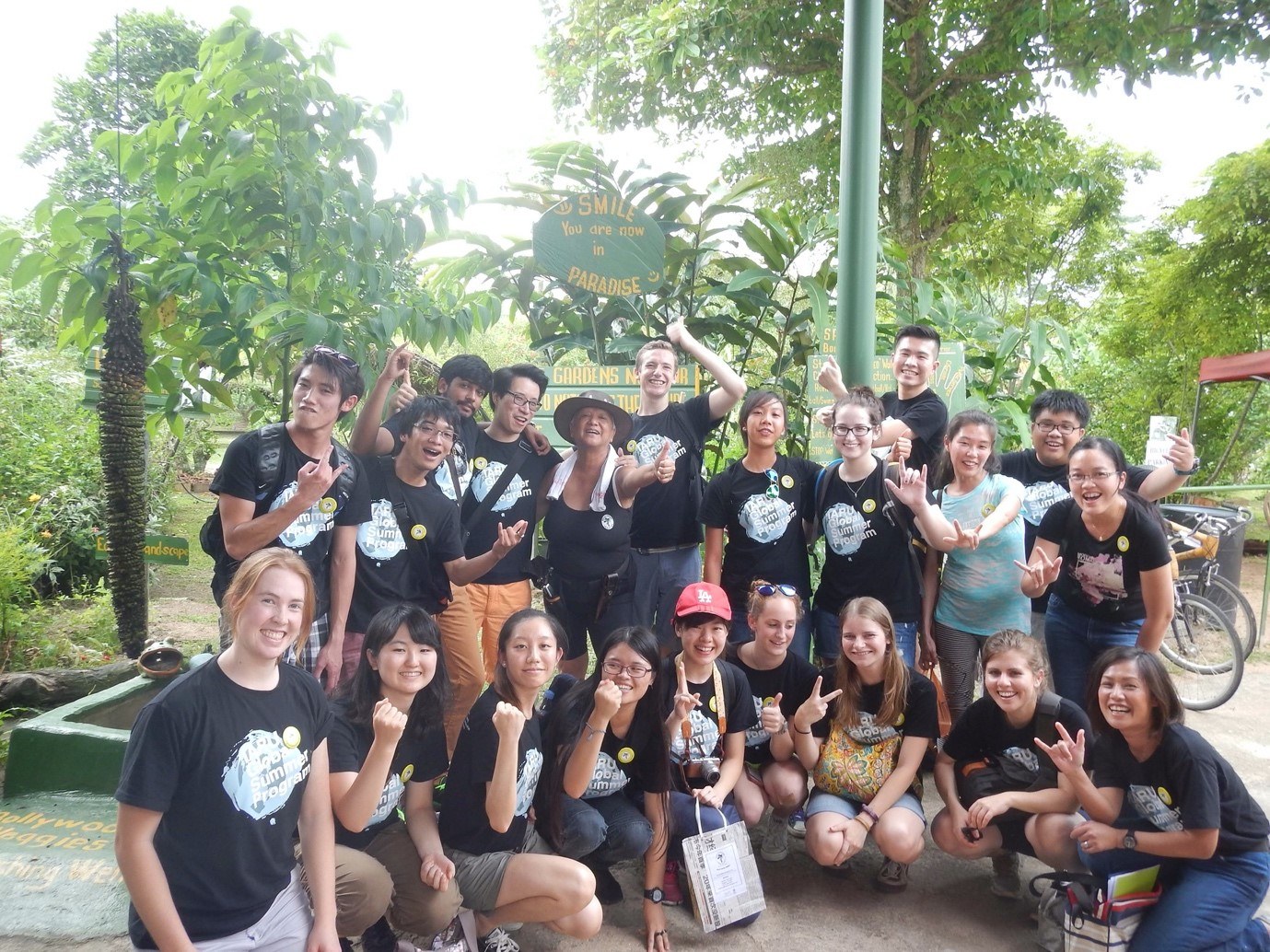
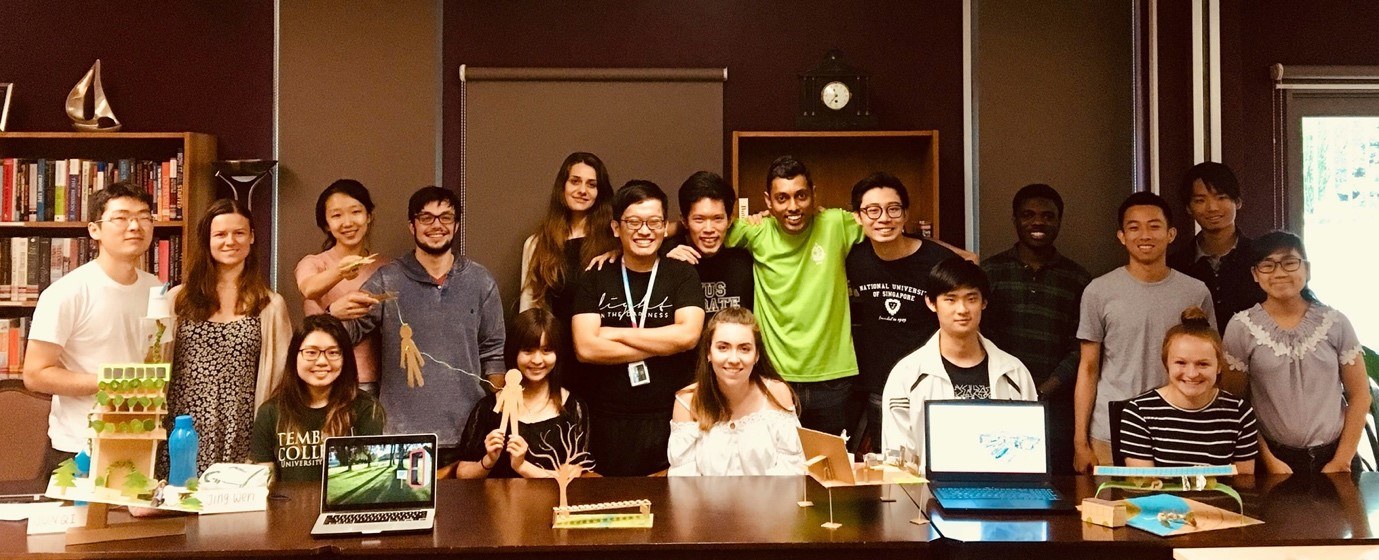
Tembusu College hosted the International Alliance of Research Universities (IARU) Global Summer Programme from 2014-2019, offering courses such as Asia Now! The Archaeology of the Future City, and Animals and the City.
Over four intense weeks in summer, select Tembusu College students attended seminars, workshops and field trips, together with students from our partner universities. Students found the programme interesting and invaluable as it exposed them to different points of views as they work with peers from all over the world, forming lasting friendships in the process.
The first of May is celebrated in most countries in the world as the International Workers’ Day or simply May Day. It is a national public holiday. In this month of May, to honour the workers of the world, I felt inspired to study and recap the history of the minimum wage. My purpose is to give an objective account of the pros and cons of the minimum wage.
The minimum wage is the minimum amount of remuneration which an employer is required to pay his workers, for the work performed during a given period. The minimum wage can be an hourly, weekly or monthly wage. It cannot be reduced by collective agreement or individual contract.
The minimum wage has four objectives. First, to protect workers against unduly low pry. Second, to ensure a just and equitable share of economic progress. Third, to provide a minimum living wage to all who are employed and who need such protection. Fourth, to overcome poverty and to reduce inequality.
The demand for a minimum wage began in the 19th century, as a way to stop the exploitation of workers in sweatshops, by employers who enjoyed an unfair bargaining power over the workers.
The first country to adopt the minimum wage was New Zealand, in 1894. Australia followed two years later, in 1896. The United Kingdom adopted it in 1909 and the United States in 1938. The last country to do so, in 2015, was Germany.
However, not all egalitarian societies have a minimum wage law. The following egalitarian countries do not have a minimum wage: Austria, Denmark, Finland, Italy, Sweden and Switzerland. They rely on collective bargaining, between trade unions and employers, to set minimum wages for the workers.
The minimum wage may be a living wage or a poverty wage, depending on the amount of the minimum wage. There are very big differences in the amounts of the minimum wage, established by the developed countries, belonging to the Organisation for Cooperation and Economic Development (OECD).
The highest hourly minimum wage is in Australia, fixed at US$15.60. The lowest is in Mexico, fixed at US$0.60. The hourly minimum wage in the US is US$7.25.
Many American workers contend that earning the minimum wage still leave them in poverty. The lesson learnt is that a minimum wage can be a living wage or a poverty wage, depending on the level at which it is set.
There is no consensus on the merit of a minimum wage. Those who oppose the minimum wage have argued that it:
(a) is not effective in alleviating poverty;
(b) hurts small business;
(c) reduces the demand for workers;
(d) benefits some workers at the expense of the poorest and least productive;
(e) encourages employers to replace low-skilled workers with technology;
(f) results in higher long-term unemployment; and
(g) results in higher prices for consumers.
A powerful argument often mounted against the minimum wage is that it causes unemployment or under-employment. What is the evidence on this argument?
In 2006, the International Labour Organisation (ILO) published a paper stating that it had found no evidence of a link between minimum wage and unemployment in countries which have suffered job losses.
In the case of Germany, which only adopted the minimum wage in 2015, it was found that the feared increase in unemployment, did not materialise. As a result, the Deutsche Bundesbank (German Central Bank), revised its opinion and stated in its monthly report of August 2015,
that, “the impact of the introduction of the minimum wage on the total volume of work appears to be very limited in the present business cycle.”
My conclusion is that there is no empirical evidence to support the argument that minimum wage causes unemployment or under-employment.
There is no consensus among professional economists on the merit of the minimum wage.
Several surveys have been conducted in America, with members of the American Economic Association (AEA). In a survey conducted, in 2006, by Robert Whaples, with members of the AEA, it was found that 47 percent wanted the minimum wage abolished, 38 percent wanted it increased, 14 percent wanted to keep it at the current level and 1 percent wanted it decreased.
I suspect that the economists in Singapore would be just as divided as those in America.
The International Labour Organization (ILO) is the United Nations institution which looks after the interests of workers. Singapore is a member of ILO.
What is the position of the ILO on minimum wage? ILO is in favour of the minimum wage. It has two conventions on the minimum wage.
The ILO Convention No. 26 (1928), called the Minimum Wage Fixing Machinery Convention, has been ratified by more than 100 countries.
It encourages countries to implement minimum wage where, “no arrangements exist for effective regulation of wages by collective agreement or otherwise and wages are exceptionally low.” Singapore is not a party to this convention.
Another convention is the ILO Convention No. 131 (1970). Also called the Minimum Wage Fixing Convention, it has only 52 parties. Singapore is not one of them.
The purpose of the convention is to help members on how to fix the minimum wage.
According to the ILO, 87 percent of its members have adopted the minimum wage and the remaining 13 percent have not. As I have pointed out earlier, some of the most egalitarian countries in the world, such as, Denmark, Finland, Sweden and Switzerland, do not have a minimum wage. Contrariwise, some of the most unequal countries in the world, such as the United States, do have the minimum wage.
What conclusions can we draw from this brief history of the minimum wage?
First, I think that in the 19th century and the first half of the 20th century, the minimum wage played an important role in protecting the workers from exploitation by their employers.
During this period, trade unions were weak and few countries had an effective system of collective bargaining between workers and their employers.
Second, the minimum wage is not a guarantee that the workers will earn a living wage. In many countries, the minimum wages are set so low, that the workers earning the minimum wages, still live in poverty. On the other hand, we have seen examples of egalitarian countries which do not have a minimum wage.
Third, in the case of Singapore, the government has decided not to adopt a minimum wage. Instead, it has adopted the Workfare income supplement and Progressive Wage Model.
I am indifferent to the means employed to ensure that our workers are able to earn a living wage. The current situation, however, is sub-optional.
Our median monthly income among full-time employed residents is $4,437. The international best practice is to draw the poverty line at 50 percent of the median income, which is, about $2,200.
Yet hundreds of thousands of our workers earn incomes below the poverty line, even with Workfare and the Progressive Wage Model. According to the SMU publication, A Handbook on Inequality, Poverty and Unmet Social Needs in Singapore, “around 20 to 35 percent of households live in relative poverty.”
I hope that Singapore will work harder at reducing inequality and raising the wages of workers at the lower end of our social pyramid.
« In his manifesto of sorts, Jeremy Fernando stages how art lies in the gap between the frame and the viewer »
(Slavoj Žižek)

click on the image to download a free copy of Nine Rings Around A Pit.
Dr John van Wyhe, Senior Lecturer at the Department of Biological Sciences at NUS Faculty of Science and Fellow of Tembusu College at NUS, probably knows more about the wilder side of Singapore than most residents of the island.
Since relocating to the Lion City in 2009 to teach at NUS and conduct research on the history of science, Dr John, as he is fondly called, is especially captivated by the rich biodiversity of the urban city state. An avid mountain biker, he spends many hours cycling through and exploring the forests and remote parts of Singapore, discovering the flora and fauna. He has encountered snakes, wild boars, monitor lizards and other wildlife during his jaunts.
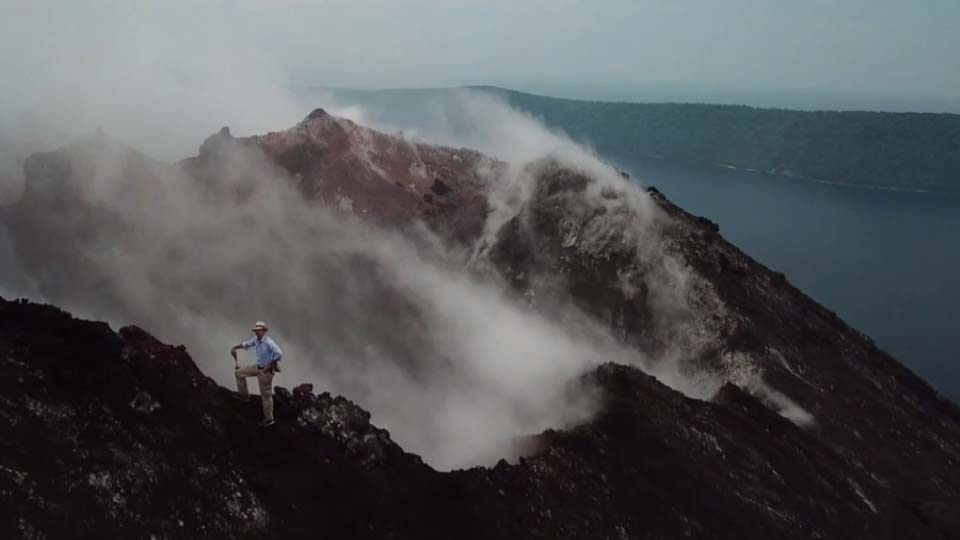
Dr John on top of Anak Krakatoa, an active volcano in Indonesia
An authority on Charles Darwin, Dr John has painstakingly built up a comprehensive edition of Darwin’s writings: Darwin Online about the proponent of evolution back in Cambridge, UK. At NUS he proceeded to create Wallace Online, a website which contains the complete works of naturalist Alfred Russel Wallace who spent eight years in Singapore, Malaya and Indonesia collecting animals.
The historian of science has been retracing the footsteps of Wallace, traversing jungles and remote areas in the region. Besides visiting nature reserves and parks, he immerses himself in the culture and life of the locals to understand them better. He also shares his travel interest with NUS students whom he brings along on expeditions to Indonesia, which included Komodo island, Sulawesi, Flores, Krakatoa volcano, Lombok, Bali and Borneo.
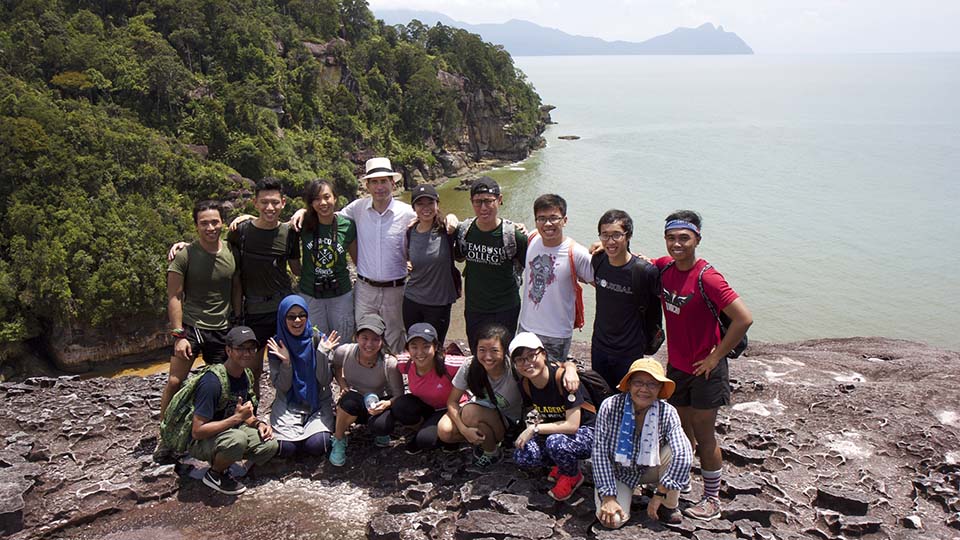
Dr John and students on an expedition to Borneo
The trips have changed their outlook profoundly, Dr John observed. “You can watch a documentary about the urgent need for nature conservation, but when you really go there, it’s completely different and very sobering.”
He remembered the gut-wrenching dismay felt when he saw an endless expanse of plastic bags and rubbish floating on the water while crossing the sea between islands in a boat. Or vast tracts of forest levelled for oil palm plantations. Such shocking realities can never be appreciated by just looking at posters or campaign messages, he underscored.
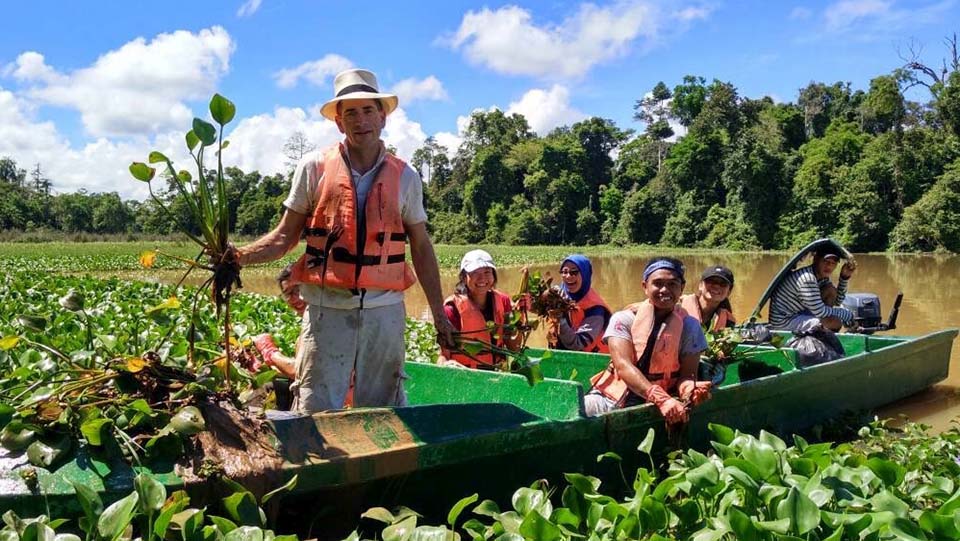
The team gathering water hyacinth to make into paper and fertiliser
Even though such problems are too monumental to solve by any one individual, Dr John believes that first-hand encounters leave a person better informed about the huge scale of the problem. He noticed the transformation in his students after the trips. “They started out as young people, but as we progressed through our journey, I could see them grow as they witnessed the reality of the natural world.”
Dr John has recorded his adventures in a book titled The Conservation Expeditions 2016-2018 (click on link for pdf version of the book), published in March 2019 by Tembusu College, to share with his students and visitors. The online version makes it accessible to interested readers around the world. He also plans to incorporate some of his personal experiences in his teaching, which will enable students to benefit from the knowledge and insights he has gained during his travels.